


How devotion, culture, and cuisine come together in God’s Own Country.
Perhaps Hindus of other States would be surprised to know that in Kerala, temple offerings—known as prasadams—go far beyond the usual laddus, pongal, or halwa. Here, devotion takes on a distinctly local flavour. The land of temples, rivers, and festivals celebrates divinity not only through rituals and chants but also through its kitchens. Every temple, big or small, has its own sacred recipe, often passed down through generations. From sweet payasams (puddings) simmered in brass vessels to offerings as unusual as fried fish and toddy, Kerala’s temple prasadams reflect the region’s rich blend of faith, culture, and culinary imagination—a true expression of how Hinduism embraces life in all its vibrant forms.
Kerala, the land of temples and traditions, breathes spirituality not just through its rituals and chants, but also through its food. Step into any temple courtyard during festival time, and what greets you—beyond the fragrance of camphor and jasmine—is the unmistakable aroma of prasadam being prepared.
For the devout, prasadam is not merely food; it is prasāda, divine grace in edible form. Every morsel, every spoonful, every offering carries the sanctity of devotion, the touch of ritual, and the soul of the temple. What makes Kerala’s temples so fascinating is the astonishing diversity of their offerings—ranging from time-honoured dishes like palpayasam (milk pudding) to surprisingly unconventional ones like fish fry and toddy!
This journey across Kerala’s temples is not just about tasting food—it’s about discovering how Hinduism celebrates life itself. In its temples, art, music, architecture, and even cuisine unite to form a complete aesthetic and spiritual experience.
Hinduism: A Celebration of Life in All Its Forms
Unlike many traditions that separate the sacred from the secular, Hinduism celebrates life in its entirety. It recognizes the divine in every act—from cooking and serving food to eating and sharing it. The concept of naivedyam (offering) and prasadam (blessing) embodies this holistic spirituality.
Temples thus become living symbols of this worldview. Their walls are adorned with carvings of music, dance, nature, and food—all aspects of life treated as sacred. Festivals like Onam and Vishu and temple feasts like Vallasadya, bring communities together across caste and class lines, reminding everyone of the joy of sharing.
In this sense, Kerala’s temple prasadams are not just culinary curiosities—they are living expressions of Hinduism’s inclusive, life-affirming spirit. They show us that divinity can be tasted, not just worshipped; experienced, not merely imagined.
In Kerala, the temple kitchen is as sacred as the sanctum. The fire that cooks the offering is lit with mantras, the ingredients are purified, and the final dish is offered to the deity before being distributed among devotees. Each step is a ritual, each grain an offering, each bite an act of communion with the divine.
Nowhere else perhaps is the relationship between spirituality and sustenance as intimately woven as in Kerala’s temples. Let us travel across the state to savour some of these divine delicacies—each a reflection of local culture, landscape, and devotion.
Sri Padmanabhaswamy Temple, Thiruvananthapuram: The Lord Who Cherishes Meni Thula Payasam
This is one of the rarest and most sacred offerings at the revered Sree Padmanabhaswamy Temple in Thiruvananthapuram, holding a distinctive place among the naivedyams (foods offered to the deity) dedicated to the Lord. Prepared with meticulous care by the temple’s traditional cooks, this exquisite payasam is made using the purest ingredients—fresh cow’s milk, unrefined jaggery, ghee, and select aromatic spices—which together create a rich golden hue and an irresistibly divine fragrance. Offered to invoke the Lord’s blessings for physical well-being and inner balance, “Meni Thula” symbolically denotes the protection and harmony of the body. The taste of this payasam is truly heavenly and mouth-watering, and devotees regard it as a sacred healing prasadam that bestows serenity, strength, and auspiciousness upon all who partake of it with devotion; this writer, too, is an ardent admirer of this majestic naivedyam (offering to the Lord).
Kottarakkara Sree Mahaganapathy Temple: The Lord Who Loves Unniyappam
Lord Ganesha or Ganapathy, the remover of obstacles, is traditionally fond of sweets—and nowhere is this devotion sweeter than in Kottarakkara, near Kollam. The temple’s Unniyappam(Sweet rice–banana fritters) —small, golden-brown rice flour balls fried in ghee with jaggery and banana—are legendary.
It is believed that Lord Ganapathy himself once expressed his desire for this delicacy to a devotee. Since then, Unniyappam has become the temple’s signature prasadam. The preparation is done with great care: rice is soaked and ground, mixed with ripe banana pulp, jaggery syrup, and coconut bits, and then fried to a soft, fragrant perfection.
My experience is that the Unniyappam here carries a taste unlike any other—perhaps because it’s infused with the warmth of devotion and the love of countless hands that have prepared and offered it in faith for generations.

Ambalappuzha Sri Krishna Temple: The Milky Sweetness of Devotion
Nestled in the heart of Alappuzha district, the Ambalappuzha Sri Krishna Temple is renowned far and wide for its Palpayasam—a rich, creamy rice pudding made of milk, sugar, and rice, slow-cooked to perfection.
Legend says that Lord Krishna himself visits the temple every day to partake in this sweet dish. Devotees believe that the Palpayasam here has remained unchanged in taste and texture for centuries. It is prepared in huge bronze cauldrons over wood fires, filling the air with a heavenly aroma that seems to sanctify the entire temple.
The temple’s Palpayasam has even become a metaphor for divine grace—sweet, sustaining, and eternal. For Keralites, no pilgrimage to Ambalappuzha is complete without this ambrosial blessing.
Sabarimala Ayyappan Temple: Aravana Payasam and Appam.
High up in the misty Western Ghats stands Sabarimala, one of the most famous pilgrimage centres in India. Millions undertake the arduous journey every year, and when they reach the sanctum of Lord Ayyappa, they are rewarded not just with spiritual fulfilment but also with two legendary offerings—Aravana Payasam and Appam.
Aravana Payasam, made of rice, jaggery, and ghee, is dense, dark, and deliciously rich. Its long shelf life and distinctive sweetness make it ideal for pilgrims who carry it home as a sacred gift. The Appam, deep-fried in ghee and crisp on the outside yet soft inside, complements it perfectly.
Together, these two prasadams symbolize the spiritual philosophy of Sabarimala—discipline, endurance, and sweetness after penance.
Parassinikadavu Sree Muthappan Temple: The God Who Eats Fish and Drinks Toddy
Travel north to Kannur, and you encounter one of Kerala’s most striking examples of how spirituality transcends convention. The Parassinikadavu Sree Muthappan Temple, dedicated to the deity Muthappan—a unique blend of Lord Shiva and Lord Vishnu—is a place where ritual meets realism.
Here, devotees offer not laddus or payasam, but baked fish, grilled meat, and toddy! Muthappan is believed to be a deity who lived among the common folk, hunting, fishing, and sharing food and drink with them. His worship reflects the earthy traditions of North Malabar, where bhakti blends seamlessly with folk culture.
During the temple’s Theyyam performances, the deity himself is believed to partake of the offerings. For visitors, the experience is liberating—a reminder that Hinduism, at its core, embraces all aspects of life without judgment.
Aranmula Parthasarathy Temple: The Feast of a Thousand Flavours
If Ambalappuzha offers sweetness and Sabarimala austerity, Aranmula gives abundance. The Aranmula Parthasarathy Temple, on the banks of the Pamba River, is famed for its Vallasadya—a grand vegetarian feast offered to Lord Krishna in his role as the divine charioteer.
During the annual boat race season, teams of oarsmen (the Palliyodams) are treated to this magnificent spread as part of their devotion. The Vallasadya can include 64 dishes—ranging from avial, thoran, olan, and kichadi to payasam of different varieties. Each dish has symbolic meaning, representing gratitude, celebration, and community.
At Aranmula, prasadam is no mere offering—it’s a cultural festival, a social celebration of life’s richness and variety. Every leaf served becomes a canvas of Kerala’s culinary and spiritual heritage.
Thiruvarpu Sri Krishna
Temple: The Early Morning Usha Payasam
A few kilometres from Kottayam stands the ancient Thiruvarpu Sri Krishna Temple, known for its unusual ritual of serving Usha Payasam—a sweet rice pudding offered to Lord Krishna at dawn. It is believed to be the first temple in the entire world to open its doors each day, hours before sunrise, as the ever-hungry Lord here must be served without delay, the temple priests ensure that food offerings are never late.
The Usha Payasam, made of rice, jaggery, ghee, and coconut milk, is offered in the early morning hours, symbolizing the start of a new day filled with divine energy. The fragrance of the payasam is so enticing that devotees say it fills the entire village, awakening hearts as much as it wakes the sun.
My late father’s ancestral home stood near the western side of this sacred temple, and my wife and I make it a point to visit the shrine every year. Such is the devotion and demand for this divine offering that if one books for the Usha Payasam prasadam today, it may take at least a decade before receiving it—a moving testimony to the temple’s timeless traditions and the unwavering faith of its devotees.
Alathiyoor Hanuman Temple: Kuzhacha Avil for the Mighty Devotee
Near Tirur in Malappuram district lies the famous Alathiyoor Hanuman Temple, where the prasadam reflects the strength and humility of the mighty devotee himself—Kuzhacha Avil (flattened rice mixed with jaggery, ghee, and coconut).
This simple yet powerful dish is offered to Lord Hanuman with reverence, as it symbolizes energy and endurance. The preparation is rustic, rooted in the agrarian traditions of the region, yet deeply symbolic of devotion and service. Devotees believe that consuming this prasadam brings courage, concentration, and health—the very qualities that define Hanuman.
Every handful of Kuzhacha Avil here feels like a blessing for strength and determination in life’s battles.
Munch Murugan Temple, Thalavady: When God Accepts Chocolates
In a delightful example of modern devotion, the Munch Murugan Temple near Thalavady in Alappuzha has replaced traditional offerings with chocolates! Devotees here offer Nestlé Munch bars to Lord Murugan, the youthful warrior god known for his playful energy.
The story goes that a child devotee once offered his favourite chocolate to the deity, and soon after, his wish was fulfilled. Since then, the practice spread rapidly, turning this small shrine into a symbol of innocent faith.
Here, the boundary between tradition and modernity melts sweetly. Children love the temple, and the simple act of offering chocolates reminds everyone that devotion can be joyful, spontaneous, and deliciously sweet.
Paravur Mookambika Temple: The Ayurvedic Offering of Health
In the serene coastal town of North Paravur lies the Mookambika Temple, a smaller yet deeply revered shrine of Goddess Saraswati. What makes it distinctive is its evening prasadam—a warm cup of Kashayam, a traditional Ayurvedic herbal tonic.
This unique prasadam symbolizes wisdom and well-being. Prepared from medicinal herbs like tulsi, pepper, and dry ginger, it soothes the body and mind alike. Devotees say that it sharpens focus, calms nerves, and prepares one for study or meditation—apt for a temple dedicated to the goddess of knowledge.
It’s perhaps the only temple in India where one receives not just blessings for the soul, but also a healing draught for the body.
Sherthala Sree Karthyayani Devi Temple: The Mystery of Thadi
In the temple town of Cherthala (Sherthala), the presiding goddess Karthyayani Devi is offered a unique prasadam called Thadi. This preparation, whose recipe is known only to the temple cooks, is a thick, mildly sweet, and grainy dish made from local ingredients like rice powder, coconut, and jaggery.
Thadi is believed to have divine origins, with legends saying that the goddess herself revealed the method of its preparation. It is offered to devotees in small portions, symbolizing humility and restraint—a reminder that in devotion, even the simplest food can become sacred.
A Sacred Culinary Map of Kerala
Traveling through these temples is like journeying through the cultural and culinary geography of Kerala. From the milky sweetness of Palpayasam to the spicy freedom of Muthappan’s fish fry, from the herbal Kashayam of Paravur to the early morning Usha Payasam of Thiruvarpu, each temple reveals a different flavour of devotion.
Together, they form a sacred map of Kerala’s inner life—where faith is not confined to rituals but is woven into daily existence. Each prasadam tells a story: of climate, of community, of the land’s abundance, and of people’s creativity.
Temples in Kerala are not only centres of worship; they are cultural laboratories where music, dance, architecture, and cuisine evolve together. The making of prasadam is itself an act of meditation—prepared with purity, served with humility, and received with reverence.
The Taste of the Divine
To taste the prasadam of a Kerala temple is to taste a piece of its soul. Every temple has its signature, every offering its story. Whether it’s the golden Unniyappam of Kottarakkara, the Kuzhacha Avil of Alathiyoor, or the chocolate bars of Thalavady, the spirit remains the same—love expressed through food.
These are just a few shining examples. Across Kerala, countless small village temples maintain their own vazhipadus—unique offerings born from local legend, seasonal produce, and centuries of inherited devotion. Each has a flavour, a faith, and a folklore of its own.
In a world often divided by beliefs, these temples remind us that spirituality can be as simple as sharing what we love. Kerala’s temple prasadams thus stand as fragrant, flavourful symbols of unity—binding faith, culture, and cuisine into one seamless experience.
After all, as the scriptures say, “Annam Brahma”—Food itself is Divine.
How Hinduism Turns Life Itself into Worship
Hnduism, one of the oldest living faiths on earth, is not just a religion — it is a way of life that sees divinity pervading every aspect of existence. From the rustle of a leaf to the rhythm of the cosmos, from the act of breathing to the offering of food, life itself is worship. It teaches that God is not distant or abstract but present in every being, every element, and every action performed with awareness and reverence.
In Hindu thought, the world is not something to be renounced but celebrated. Festivals mark the changing seasons, deities embody the forces of nature, and daily rituals sanctify the simplest acts of living. Lighting a lamp, bathing in a river, offering flowers, or chanting a mantra — each becomes a spiritual act when performed with devotion. This vision transforms ordinary life into a sacred journey, where the material and spiritual blend seamlessly.
Why Temples Have Kitchens — The Ancient Science of Temple Food
In Hinduism, the temple kitchen is not merely a place for cooking — it is an extension of the sanctum itself. The fire (agni) in the temple kitchen is treated as sacred, often lit from a ritual lamp that symbolizes divine presence. Food prepared here is not meant for taste alone, but for transformation — turning ordinary ingredients into prasadam, blessed and purified by devotion.
Every step, from washing rice to stirring payasam, is done in silence or with chants of God’s name. Ancient temple architecture even ensured that kitchens faced specific directions for optimal energy flow — a blend of vastu and agamic science. Moreover, temple food reflects balance — sattvic ingredients that nurture calmness and clarity. Yet Kerala’s tradition goes further, integrating local produce, Ayurveda, and community sharing.
In essence, temple kitchens remind us that when food is offered in love and purity, it becomes a bridge between the human and the divine — a fragrant expression of living spirituality.
Through its temples, arts, cuisine, rituals, and philosophy, Hinduism celebrates life not as a fleeting moment, but as an eternal dance of the divine — where every act, when performed in awareness, becomes worship, and every moment, a step closer to the Infinite.
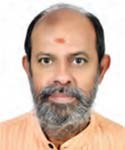
By Pradeep Krishnan from Thiruvananthapuram
(The content of this article reflects the views of writer and contributor, not necessarily those of the publisher and editor. All disputes are subject to the exclusive jurisdiction of competent courts and forums in Delhi/New Delhi only)

















Comments (2)
V
Very wonderful endeavour. Much needed.
V
Very thought provoking article loaded with facts and faith. Well done