


In a sharp escalation of violence, at least 33 Palestinians have been killed in a series of Israeli airstrikes across the Gaza Strip, shattering a period of relative calm and plunging the region back into conflict. The strikes were launched after Israeli officials accused Hamas of violating the terms of a fragile ceasefire agreement, an allegation the Palestinian group has firmly denied.
The immediate trigger for the military action, according to the Israeli government, was an attack by Hamas fighters on Israeli soldiers near the southern city of Rafah. Israeli officials claimed that Hamas militants used rocket-propelled grenades and sniper fire to target troops in the area.
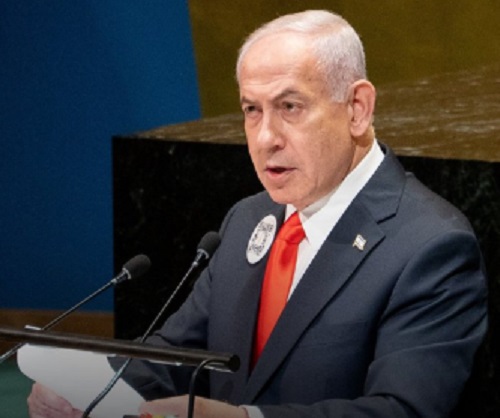
In response, Israeli Prime Minister Benjamin Netanyahu instructed the military to carry out what his office described as "immediate, powerful strikes" across Gaza. A United States official confirmed that the Biden administration was notified of the decision to launch the offensive.
Conflicting Narratives and Accusations
The situation is mired in conflicting accounts from both sides. Israeli Defence Minister Israel Katz levied serious accusations against Hamas, claiming the group not only attacked Israeli soldiers but also breached specific terms related to the return of the bodies of deceased hostages held in Gaza.
"Hamas has shown its true face by attacking our forces and violating the agreements we had in place, including those concerning our fallen," Katz stated, framing the airstrikes as a necessary response to Palestinian aggression.
However, Hamas has forcefully rejected these claims. In an official statement, the group denounced the Israeli airstrikes as a "criminal bombardment" and a clear violation of the ongoing ceasefire agreement. A Hamas spokesperson explicitly denied that their fighters had attacked Israeli Defense Forces (IDF) soldiers near Rafah or anywhere else, reaffirming their commitment to the truce.
"The occupation is using false pretexts to justify its new massacre against our people in Gaza," the statement read. "We remain committed to the ceasefire and call on the international community to witness the aggression of the enemy."
A Region Plunged Back into Conflict
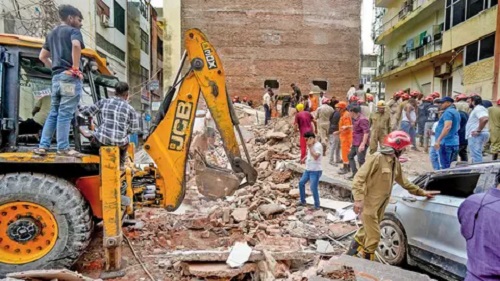
The airstrikes have had a devastating human cost, with reports from Gaza indicating residential buildings and infrastructure were among the targets. The death toll of 33 Palestinians is expected to rise as rescue workers continue to search through rubble.
This latest flare-up threatens to derail ongoing, delicate negotiations aimed at securing a more lasting ceasefire and a deal for the release of hostages. The United States, which has been actively involved in mediation efforts, now faces the challenge of de-escalating a rapidly deteriorating situation.
The renewed violence underscores the fragility of any calm in the region and the deep-seated mistrust between the warring parties. As both Israel and Hamas trade blame, the civilian population in Gaza, already reeling from months of previous conflict, once again finds itself caught in the crossfire.




















Leave Your Comment