


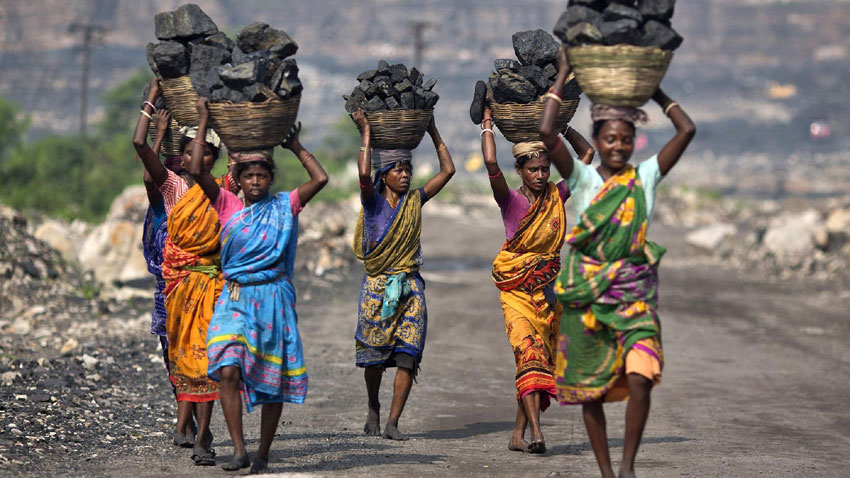
In a significant stride towards gender equality and economic empowerment, India has witnessed a notable surge in the participation of women in the labor force. Labour and Employment Secretary, Arti Ahuja, recently highlighted this encouraging trend, stating that the participation of women in the workforce has escalated from 23 percent in 2017 to 37 percent in 2023. This announcement underscores a pivotal shift in the country's labor dynamics, signaling a brighter future for women's economic inclusion and empowerment.
Addressing a national consultation on young women in the labor force in New Delhi, Ahuja emphasized the importance of leveraging the potential of India's female workforce. Citing the latest Periodic Labour Force Survey data, she emphasized the necessity for recognizing and harnessing the talents, motivation, and hard work of women, who constitute a significant portion of the country's population.
The Secretary shed light on the core agenda of the consultation, which aims to foster collaboration among various stakeholders to devise strategies that will further bolster young women's participation in the labor force. This initiative reflects a proactive approach towards addressing the systemic barriers and challenges that have historically hindered women's access to employment opportunities.
The surge in women's participation in the labor force can be attributed to several factors, including increased educational attainment among women, changing societal norms, and concerted efforts by the government and various stakeholders to promote gender diversity and inclusion in the workforce. Initiatives such as skill development programs, vocational training, and entrepreneurship schemes tailored specifically for women have played a crucial role in facilitating their entry and advancement in the workforce.
Furthermore, the rise of digital platforms and remote work opportunities has provided greater flexibility and accessibility, enabling more women to balance their professional and personal responsibilities effectively. Flexible work arrangements, maternity benefits, and supportive workplace policies have also contributed to creating a conducive environment for women to thrive in diverse sectors of the economy.
Despite these positive developments, challenges persist, particularly concerning gender-based discrimination, wage disparities, and inadequate representation of women in leadership positions. Addressing these issues requires a multifaceted approach, encompassing legislative reforms, targeted interventions, and cultural shifts that promote gender equality and empower women to reach their full potential.
Going forward, sustained efforts are needed to build upon the momentum generated by the increase in women's labor force participation. This entails fostering an enabling ecosystem that nurtures talent, promotes inclusivity, and removes systemic barriers that hinder women's progress in the workforce. Collaboration between government agencies, civil society organizations, employers, and educational institutions is essential to drive meaningful change and create a more equitable and prosperous future for all.
In conclusion, the significant rise in women's participation in the labor force represents a positive step towards achieving gender equality and inclusive economic growth in India. By harnessing the untapped potential of its female workforce, the country can unlock new opportunities for innovation, productivity, and sustainable development. As we strive towards building a more inclusive and equitable society, empowering women in the workforce must remain a top priority for policymakers, businesses, and society at large.
Uday India Bureau














Leave Your Comment