


Electricity is the lifeblood of modern civilization. It powers our homes, drives our industries, and enables progress in every sphere of life. However, access to reliable electricity remains a distant dream for millions of people, especially in rural areas of developing nations like India. Recognizing this disparity and aiming for inclusive development, the government of India has launched various initiatives to ensure electricity reaches every household. One such groundbreaking scheme is the 'PM Surya Ghar: Muft Bijli Yojana', which holds immense significance in the quest for energy equity and sustainable development.
Addressing Energy Poverty
Energy poverty, characterized by the lack of access to modern energy services, is a significant challenge facing many communities worldwide. In India, despite substantial progress in electrification over the years, millions of households still rely on traditional, inefficient, and often harmful sources of energy such as kerosene lamps, biomass, and cow dung for their energy needs. This not only perpetuates poverty but also contributes to environmental degradation and health hazards.
The 'PM Surya Ghar: Muft Bijli Yojana' aims to tackle energy poverty head-on by providing free electricity connections to households that are still deprived of this essential service. By bringing electricity to these underserved areas, the scheme not only improves the quality of life for millions but also fosters economic growth, enhances education and healthcare services, and promotes gender equality by reducing the burden of household chores typically associated with traditional energy sources.
Promoting Renewable Energy

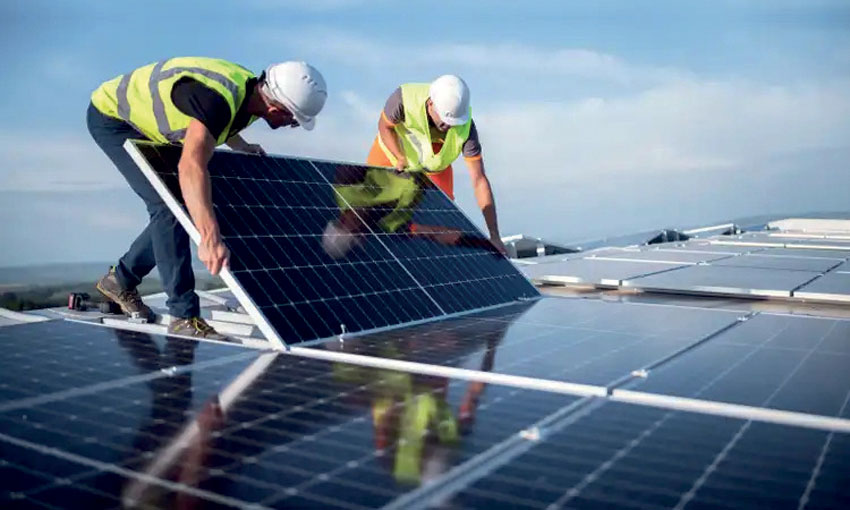
In addition to addressing energy poverty, the 'PM Surya Ghar: Muft Bijli Yojana' aligns with India's broader goal of increasing the share of renewable energy in its energy mix. The scheme emphasizes the installation of solar power systems in households, thereby harnessing the abundant solar energy potential of the country. By promoting clean and sustainable energy sources, the initiative contributes to mitigating climate change and reducing greenhouse gas emissions, aligning with India's commitments under the Paris Agreement.
Furthermore, the widespread adoption of solar power through this scheme reduces the strain on conventional energy infrastructure, alleviating the pressure on the grid and enhancing energy security. Solar energy systems installed under the scheme not only provide electricity for household needs but also have the potential to generate surplus power that can be fed back into the grid, contributing to decentralized energy generation and fostering a culture of self-reliance among communities.
Empowering Communities
The 'PM Surya Ghar: Muft Bijli Yojana' goes beyond merely providing electricity connections; it empowers communities to become active participants in their own development. Through community engagement and participation, the scheme ensures that the benefits of electrification are maximized and sustained in the long term. Local involvement in the planning, implementation, and maintenance of solar power systems fosters a sense of ownership and responsibility, leading to greater efficiency and durability of the infrastructure.
Moreover, the scheme encourages entrepreneurship and job creation at the grassroots level by training local technicians for the installation and maintenance of solar power systems. By equipping individuals with the necessary skills and knowledge, the initiative not only creates employment opportunities but also builds local capacity for sustainable development. This bottom-up approach to electrification not only enhances the effectiveness of the scheme but also strengthens social cohesion and resilience within communities.
Bridging the Urban-Rural Divide

One of the most significant impacts of the 'PM Surya Ghar: Muft Bijli Yojana' is its role in bridging the urban-rural divide in access to modern amenities. Historically, rural areas have lagged behind their urban counterparts in terms of infrastructure and services, including electricity. By extending free electricity connections to rural households, the scheme aims to reduce this disparity and create a more equitable society where every citizen, regardless of their geographical location, has access to basic amenities.
Furthermore, the electrification of rural areas under the scheme has the potential to stimulate economic growth and development in these regions. Access to electricity opens up new opportunities for entrepreneurship, improves agricultural productivity through the adoption of modern farming techniques, and facilitates the establishment of small-scale industries, thereby driving rural prosperity and reducing migration to urban centers.
Conclusion
The 'PM Surya Ghar: Muft Bijli Yojana' represents a paradigm shift in India's approach to energy access and rural development. By combining the goals of energy equity, sustainability, community empowerment, and bridging the urban-rural divide, the scheme holds immense significance in the country's journey towards inclusive growth and prosperity. As more households are electrified and empowered through this initiative, India moves closer to realizing its vision of a sustainable and equitable energy future for all its citizens.
Uday India Bureau














Comments (1)
H
Mu. Po. Surpur jila banswara rajsthan