


In March 2017, when Yogi Adityanath took the oath as the Chief Minister of Uttar Pradesh, the state stood at a crossroads. Known for its vast population, economic potential, and deep-rooted cultural heritage, Uttar Pradesh was also infamous for its crumbling law and order, sluggish development, and bureaucratic inefficiencies. Eight years later, the state presents a starkly different picture, one of rapid infrastructural growth, industrial investment, and an uncompromising stance on law enforcement. The Yogi government’s journey has been nothing short of a transformative odyssey, reshaping the state’s trajectory with a combination of governance, vision, and unwavering political will. The BJP began a state-wide festival called "Utsav" on March 24 to commemorate the eight years of the Yogi Adityanath-led government in Uttar Pradesh. The celebration will run until April 14. The development milestones accomplished under the current government will be commemorated as 'Vikas Utsav' at all Uttar Pradesh district headquarters from March 25 to 27, according to Chief Minister Yogi Adityanath. The three-day event will recognise recipients from a variety of backgrounds, including women, entrepreneurs, and young people, demonstrating the state's development model's inclusiveness. Through a variety of public engagement initiatives, the campaign seeks to engage individuals from all districts while showcasing the government's major accomplishments.
On March 24, Uttar Pradesh Chief Minister Yogi Adityanath gave a press conference to mark the Bharatiya Janata Party's (BJP) eight-year rule in the state. Speaking to the media, the chief minister discussed his government's journey and underlined the revolutionary advancements made possible by the "double engine" model of governance, which refers to the cooperation between the federal and state governments. Additionally, he gave this approach credit for promoting growth, enhancing the provision of public services, and guaranteeing safety and sound governance throughout Uttar Pradesh.
In addition to providing a thorough report card of his government's accomplishments, CM Yogi thanked the state's citizens for their unwavering support and confidence during the press conference. To commemorate the eight-year mark, a number of events have been planned throughout the state using the tenets of Sushasan (good administration), Suraksha (security), and Seva (service).
A New Dawn in Law and Order
Uttar Pradesh was once synonymous with crime, lawlessness, and an emboldened nexus of criminals and politicians. The Yogi government made restoring law and order its foremost priority. Under his leadership, a zero-tolerance policy against crime was implemented, leading to large-scale crackdowns on the mafia and criminal syndicates. The introduction of the Uttar Pradesh Control of Organized Crime Act (UPCOCA) became a landmark step in curbing organized crime, empowering law enforcement agencies to act swiftly against hardened criminals.
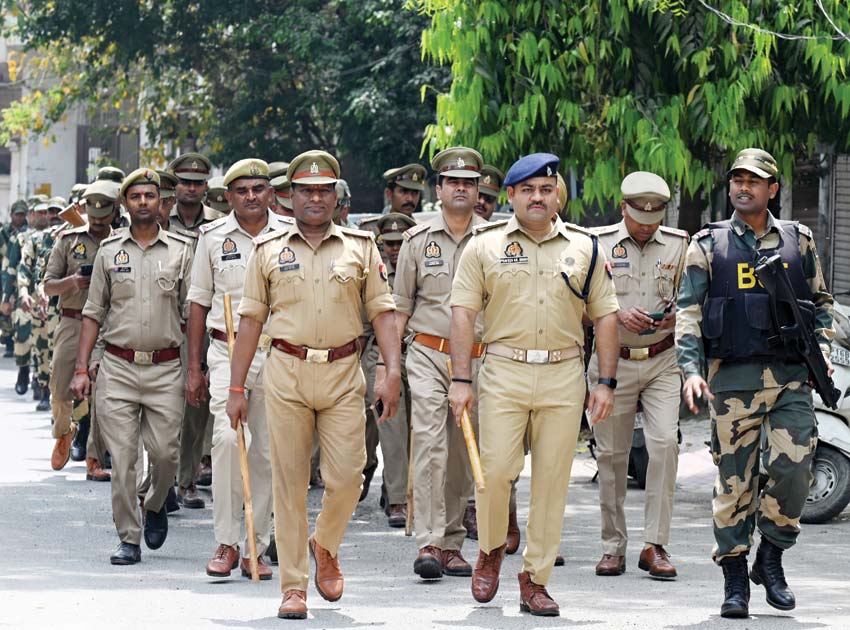
Police encounters became a much-debated but highly effective tool in the administration’s arsenal. Over the years, the state police carried out thousands of operations against criminals, eliminating key figures of notorious gangs and breaking the backbone of organized crime. The introduction of stringent measures, including the seizure of illegal properties amassed by gangsters, sent a clear message that lawlessness would no longer be tolerated.
Moreover, the government introduced the ‘Safe City’ initiative, installing CCTV cameras, emergency response systems, and pink booths for women's safety in major urban centers. The crime rate, particularly against women, saw a significant dip, and Uttar Pradesh shed its infamous image as the 'crime capital' of India. Law and order reforms not only improved the lives of common citizens but also created an environment conducive to business and investment.
Reversing Uttar Pradesh’s Economic Decline: The Yogi Adityanath Model

For decades, Uttar Pradesh grappled with a declining share in India's GDP, weighed down by inefficiencies, lawlessness, and a sluggish investment climate. However, under the leadership of Chief Minister Yogi Adityanath, the state has undergone a remarkable economic transformation. Today, it ranks among India’s top three economies, poised to cross the $500 billion Gross State Domestic Product (GSDP) milestone. More significantly, it has become a revenue-surplus state for the first time in decades. This dramatic reversal was achieved through a combination of strategic policy interventions, infrastructure development, industrialization, and a strong focus on law and order.
Infrastructure: The Backbone of Economic Growth
Recognizing that robust infrastructure is a prerequisite for economic growth, the Yogi government prioritized connectivity and urban development. The construction of key expressways, such as the Purvanchal Expressway, Bundelkhand Expressway, and the upcoming Ganga Expressway, has significantly reduced travel time and boosted trade. Additionally, the expansion of the metro rail network in cities like Lucknow, Kanpur, and Agra has facilitated urban mobility and economic activity.

The development of the Noida International Airport at Jewar and enhanced cargo facilities have positioned Uttar Pradesh as a logistics hub, making it a crucial gateway for trade. Such infrastructural projects have not only created jobs but have also attracted major national and international investors to the state.
Law and Order: A Prerequisite for Investment
A major deterrent to economic growth in Uttar Pradesh had been its reputation for poor law and order. The Yogi administration implemented a zero-tolerance policy against crime, breaking the nexus between criminals and politics. This was achieved through the Uttar Pradesh Control of Organized Crime Act (UPCOCA), targeted crackdowns, and police modernization.

The result was a marked improvement in the state’s safety index, making it more attractive for businesses. Companies that were once hesitant to invest in Uttar Pradesh began seeing it as a viable destination for industrial expansion, contributing to economic growth.
Industrialization and Investment Boom
Under Yogi Adityanath’s leadership, Uttar Pradesh has emerged as an industrial powerhouse. The state hosted highly successful Investors' Summits in 2018 and 2023, leading to MoUs worth trillions of rupees. Special economic zones and industrial corridors were established, particularly in Noida, Kanpur, and Gorakhpur, to foster growth in manufacturing, IT, and defense production.

The ‘One District, One Product’ (ODOP) scheme has revitalized traditional industries, boosting local manufacturing and exports. This initiative alone has generated employment on a massive scale and contributed significantly to the state's economic revival.
Agricultural and Rural Development
Agriculture remains the backbone of Uttar Pradesh’s economy, and the Yogi government has undertaken key reforms to enhance farmers’ incomes. Loan waivers, direct benefit transfers (DBT), and improved procurement policies have provided much-needed relief to farmers. The state has also invested heavily in irrigation projects like the Arjun Sahayak Irrigation Project to ensure water security for agriculture.

Additionally, the promotion of organic farming and food processing industries has allowed farmers to tap into new markets, ensuring higher incomes and contributing to overall economic growth.
Fiscal Discipline and Revenue Surplus
One of the most significant achievements of the Yogi government is turning Uttar Pradesh into a revenue-surplus state. This was achieved through efficient tax collection, digitization of government services, and curbing corruption through transparent e-governance practices. The adoption of digital payments and e-tendering has not only improved financial discipline but also eliminated revenue leakages.

This fiscal prudence has enabled the government to reinvest in infrastructure, healthcare, and education without over-reliance on central assistance, further strengthening the state’s economic position.
The Road Ahead: Aiming for a $1 Trillion Economy
With Uttar Pradesh already on track to cross the $500 billion GSDP mark, the government has set an ambitious goal of transforming it into a $1 trillion economy. To achieve this, the focus is now shifting towards green energy, digital infrastructure, and advanced manufacturing. Investments in electric vehicle production, renewable energy projects, and IT hubs are expected to drive the next phase of growth.

The Yogi Adityanath model of economic transformation serves as a blueprint for states seeking to balance law enforcement, infrastructure growth, and industrialization to create a robust and self-sustaining economy. If the current trajectory continues, Uttar Pradesh is well on its way to becoming not just India’s top economy, but a global economic force to reckon with.
Agricultural Reforms and Rural Empowerment
Uttar Pradesh, being an agrarian state, saw major reforms in its agricultural sector under the Yogi government. Farmers' welfare became a top priority, with the introduction of loan waivers, improved irrigation facilities, and procurement policies ensuring Minimum Support Price (MSP) for crops. The Kisan Samman Nidhi scheme, along with subsidies for modern farming equipment, empowered the farming community, reducing their dependence on middlemen.

The Bundelkhand region, long plagued by drought and agricultural distress, saw a remarkable transformation through projects like the Arjun Sahayak Irrigation Project. Improved irrigation infrastructure and water conservation programs revitalized farming in the region, curbing migration and fostering local employment opportunities.
Health and Education Overhaul
The Yogi government’s efforts in the healthcare sector became particularly evident during the COVID-19 pandemic. The administration successfully managed one of the largest healthcare responses in the country, setting up dedicated COVID hospitals, strengthening the testing infrastructure, and ensuring an efficient vaccination drive. The Ayushman Bharat scheme benefited millions of people, providing free medical treatment to the underprivileged.

Beyond the pandemic, Uttar Pradesh saw a drastic improvement in healthcare facilities, with new AIIMS institutions and medical colleges established in districts that previously lacked even basic healthcare amenities. The strengthening of the state's health infrastructure resulted in better maternal and child healthcare, reducing infant and maternal mortality rates significantly.
In the education sector, the government introduced mission-driven reforms like ‘Operation Kayakalp’ to modernize government schools, providing smart classrooms, better sanitation, and nutritious mid-day meals. The emphasis on skill development through initiatives like ‘Skill Development Mission’ and ‘Apprenticeship Schemes’ created a more employable workforce, aligning youth with industry demands.
Religious Tourism and Cultural Revival
Uttar Pradesh, with its rich spiritual and cultural heritage, witnessed a revival in religious tourism under Yogi Adityanath. The grand redevelopment of Ayodhya, with the upcoming Ram Mandir, turned the city into a global spiritual center, attracting millions of devotees and boosting the local economy. Similarly, projects in Varanasi, Mathura, and Prayagraj aimed at preserving and enhancing the religious and historical significance of these cities.

The organization of the Kumbh Mela in 2025 in Prayagraj set new benchmarks in crowd management, cleanliness, and digital integration, drawing global appreciation. The seamless execution of the event bolstered Uttar Pradesh’s image as a state capable of handling large-scale events with efficiency and grandeur.
Women Empowerment and Social Welfare
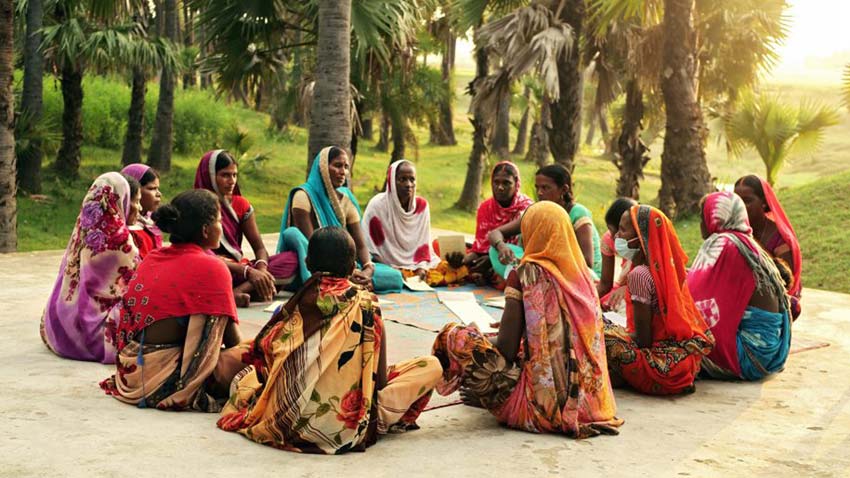
Empowering women has been a cornerstone of the Yogi government’s governance model. Schemes like ‘Mission Shakti’ provided financial assistance, self-defense training, and job opportunities for women, ensuring their greater participation in society. The state also saw a significant rise in female police personnel and women's help desks at police stations, creating a safer environment for women.

Social welfare schemes like ‘Mukhyamantri Awas Yojana’ and ‘Ujjwala Yojana’ ensured that the underprivileged had access to housing, clean fuel, and basic amenities. The government’s commitment to welfare extended to the Scheduled Castes and Tribes, ensuring better educational and employment opportunities through targeted schemes.
A Model of Governance and Future Prospects
The Yogi Adityanath government’s governance model is marked by transparency, accountability, and efficiency. The digitization of government services, e-tendering in public works, and direct benefit transfers (DBT) eliminated corruption and improved service delivery. Uttar Pradesh’s emergence as a state with the highest number of smart cities showcases the leadership’s focus on urban development and technological integration.

Looking ahead, Uttar Pradesh is on course to becoming a trillion-dollar economy, as envisioned by Yogi Adityanath. The focus on digital infrastructure, green energy, and industrial expansion is likely to propel the state into an economic powerhouse. With the upcoming international airport in Jewar, metro expansions, and bullet train projects, the state is poised for unprecedented growth.

By NILABH KRISHNA
(The content of this article reflects the views of writers and contributors, not necessarily those of the publisher and editor. All disputes are subject to the exclusive jurisdiction of competent courts and forums in Delhi/New Delhi only)



















Leave Your Comment