


In a significant development following the November 10 car blast near Delhi's Red Fort, a forensic analysis of mobile phones belonging to the arrested accused has provided a chilling and comprehensive look into the workings of a sophisticated terror module. The digital evidence, described by sources as a "treasure trove" of intelligence, paints a picture of deep-rooted indoctrination, meticulous operational planning, and alarming cross-border connections.
The National Investigation Agency (NIA), which was recently granted a 10-day custody of four key accused—Dr Muzammil Shakeel Ganai, Dr Adeel Ahmed Rather, Dr Shaheen Saeed, and Mufti Irfan Ahmad Wagay—has uncovered nearly 200 videos from Dr Muzammil's mobile phone alone.
A Library of Extremism and Bomb-Making Manuals
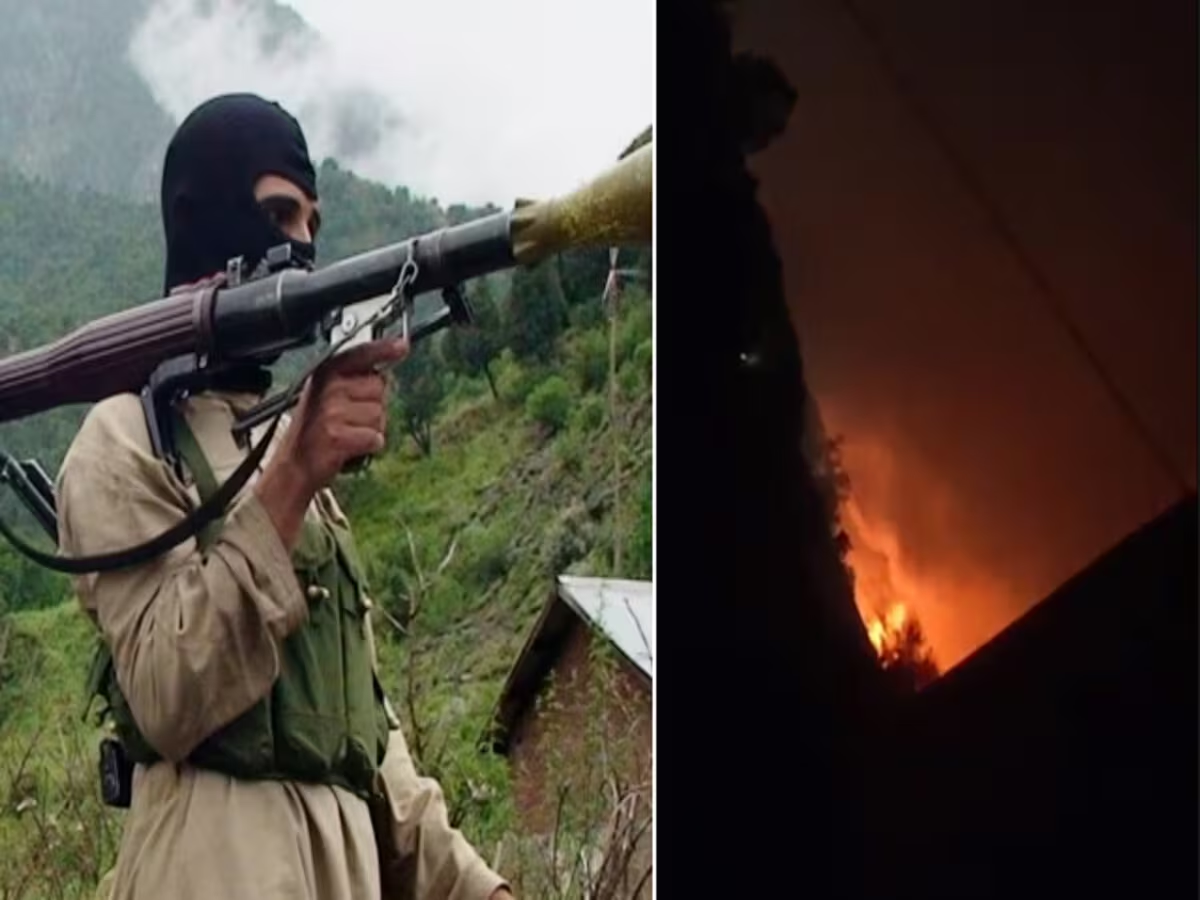
The recovered videos reveal a two-pronged strategy of radicalization and technical training. A large portion of the content consists of speeches by Jaish-e-Mohammed (JeM) chief Masood Azhar, other Jaish commanders, and ISIS-affiliated terrorists. These recordings were clearly used for ideological indoctrination, reinforcing the extremist beliefs of the module members.
More alarmingly, approximately 80 videos are starkly operational in nature. These clips function as a virtual terror academy, focusing intently on:
Terrorist training techniques
Step-by-step bomb-making procedures
Complex chemical reactions for creating explosives
This collection indicates a "deep level of research and operational planning," moving beyond abstract ideology to hands-on, actionable knowledge for executing attacks.
Eyes on the Target: Surveillance of Civilian Hubs
Perhaps the most immediate cause for concern is the discovery of videos shot at key locations across India. The phones contained footage of religious sites and crowded marketplaces in Delhi, Uttar Pradesh, Mumbai, and other states. These recordings are not tourist videos; authorities believe they represent meticulous surveillance for reconnaissance missions, linked to either the executed Red Fort attack or other planned strikes in densely populated civilian areas.
The International Web: From Kashmir to Syria via Turkey
The investigation has also exposed the module's international links, underscoring the global nature of modern terror networks. In a key revelation, it was uncovered that in 2022, Dr Muzammil and another individual, Dr Umar, travelled to Turkey on the orders of a Jaish commander. There, they met with a Syrian ISIS terrorist commander.
This cross-border meeting was not merely symbolic. Sources indicate it involved detailed discussions on bomb-making, with the experienced Syrian operative providing crucial assistance and knowledge, effectively bridging the operational methodologies of JeM and ISIS.
Legal Proceedings and Ongoing Investigation
The depth of this intelligence has become the cornerstone of the NIA's case. The Special NIA Court at Patiala House granted the agency 10-day custody of the four accused, who were brought to Delhi from Srinagar. This brings the total number of arrests in the case to six, following the earlier apprehension of Amir Rashid Ali (in whose name the blast car was registered) and Jasir Bilal Wani (who provided technical support).
The NIA, which had initially sought 15 days of custody, is now focused on using this digital evidence to unravel the full extent of the conspiracy. The probe is a coordinated effort with multiple state police forces, aiming to track down every remaining member of the terrorist module.
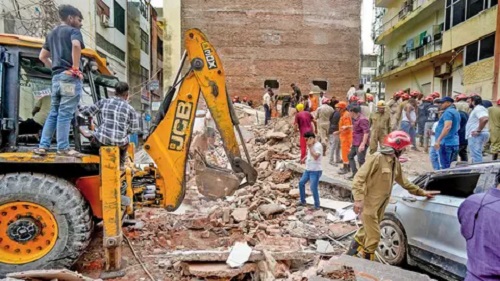
The deadly car explosion that shook the national capital, killing multiple people, is now being seen as the violent tip of a much larger iceberg. The evidence pulled from a handful of mobile phones has not only provided critical evidence for this specific case but has also offered an unprecedented insight into the strategies, coordination, and deadly ambitions of terror networks seeking to threaten India's security.



















Leave Your Comment