


Deepak Kumar Rath
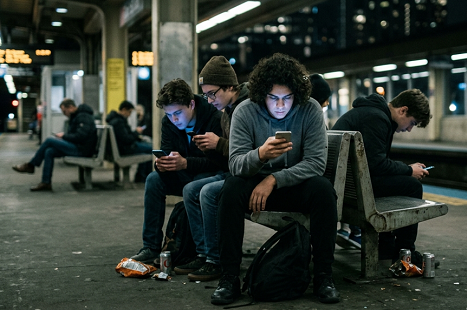
The rise of social media has transformed how people communicate, learn, and express themselves. Platforms once meant to connect friends and families have become powerful ecosystems that influence opinions, shape identities, and even impact political and social narratives. While social media has democratised information and created opportunities for businesses, creators, and communities, its excessive use has entered a high-risk zone. What began as a tool for convenience is increasingly contributing to emotional distress, strained relationships, declining physical health, and growing threats to internal security. One of the most visible consequences of excessive social media use is the erosion of genuine human relationships. Families often spend more time on their phones than talking to one another. Conversations have been replaced by scrolling, likes and emojis, while friendships are increasingly measured through online engagement rather than meaningful interactions. Children spend less time playing outdoors, and adults frequently neglect face-to-face communication. As virtual validation becomes more important than real-life connections, loneliness and emotional isolation continue to rise despite constant digital connectivity. The impact on mental health is equally alarming. Constant exposure to carefully curated lifestyles creates unrealistic expectations, leading to anxiety, depression, stress, and low self-esteem. Young people often compare themselves with influencers and celebrities, leaving them dissatisfied with their appearance, achievements, or lifestyle. The endless cycle of notifications and the fear of missing out (FOMO) keeps users attached to their devices. Excessive screen time also disrupts sleep, reduces concentration, and affects emotional stability, making problematic social media use a growing concern among mental health experts. Physical health has also suffered. Prolonged screen time contributes to eye strain, neck and back pain, obesity, and reduced physical activity. Sedentary lifestyles increase the risk of cardiovascular diseases and diabetes, while late-night scrolling weakens immunity and overall well-being. Children and teenagers are especially vulnerable because excessive digital exposure can hinder healthy physical, social and cognitive development.
Against this backdrop, it cannot be gainsaid that beyond personal well-being, excessive dependence on social media is becoming a social stigma. Employers increasingly examine candidates' digital footprints, and irresponsible online behaviour can permanently damage reputations. Families face conflicts arising from online addiction, cyberbullying, fake identities, and digital infidelity. The pursuit of likes and followers has created unhealthy competition and unrealistic standards of success. The most serious concern, however, is its impact on internal security. Social media platforms have become channels for misinformation, fake news, hate speech, and coordinated disinformation campaigns. Rumours can spread within minutes, triggering communal tensions, unrest or panic. Criminal networks exploit encrypted platforms for illegal activities, while extremist groups use them for propaganda, recruitment and radicalisation. Cyber fraud, identity theft, phishing and financial scams have also multiplied, while foreign actors can manipulate public opinion and deepen social divisions, making digital platforms a matter of national security. The solution is not abandoning social media but using it responsibly. Digital literacy should become an essential part of education, enabling people to distinguish credible information from misinformation. Parents must encourage balanced screen habits, schools should promote offline interaction. Technology companies should strengthen content moderation, and governments must frame effective policies to ensure a safer digital ecosystem. Social media remains one of the defining innovations of the modern era, but its value depends on responsible use. Without digital discipline, excessive dependence can weaken relationships, damage physical and mental health, deepen social divisions and threaten national security. The need of the hour is to ensure that technology serves humanity rather than controls it.




















Leave Your Comment