


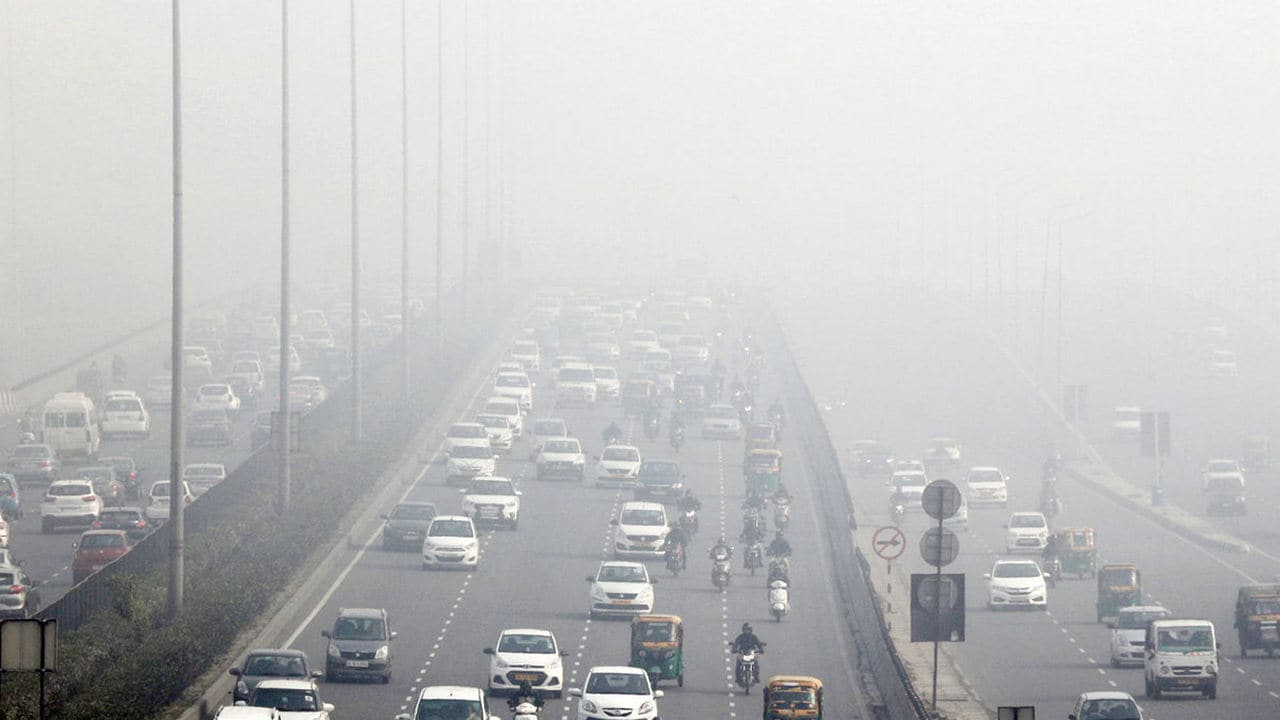
The Delhi government has encountered significant hurdles in enforcing a ban on fuel for overage vehicles, citing technological complexities and operational challenges. This decision, which was scheduled to take effect from July 1, aimed to restrict the usage of diesel vehicles older than 10 years and petrol vehicles older than 15 years in compliance with court directives. However, recent developments have highlighted a divergence between regulatory intent and practical feasibility.
Technological and Operational Challenges
In a recent communication to the Commission for Air Quality Management (CAQM), the Delhi government expressed reservations about the feasibility of implementing the fuel ban. Delhi's Environment Minister, Manjinder Singh Sirsa, underscored the discontent among citizens and emphasized the government's solidarity with public sentiment on this matter. He pointed out that the complexities involved in regulating and monitoring overage vehicles pose substantial challenges.
Policy Discontent and Regional Implications
Moreover, the Delhi government has advocated for extending the ban to encompass the entire National Capital Region (NCR), emphasizing a regional approach to address air quality concerns comprehensively. This move reflects a broader strategy to mitigate environmental impact across contiguous urban areas, highlighting the interconnected nature of pollution control efforts.
Critically, the government criticized the previous administration led by the Aam Aadmi Party (AAP), attributing the current regulatory impasse to what it described as overly stringent norms established during their tenure. This critique underscores ongoing political tensions surrounding environmental governance and regulatory oversight in Delhi.
Traffic Management and Enforcement
Delhi Traffic Police, responsible for overseeing compliance with the ban, clarified that no formal directive has been issued regarding enforcement protocols. They affirmed their readiness to implement measures pending further directives from CAQM, underscoring the importance of coordinated efforts between regulatory bodies and law enforcement agencies.
Future Prospects and Regulatory Clarity
Looking ahead, the Delhi government awaits directives from CAQM to clarify the operational framework and regulatory guidelines governing the ban. Until such clarity is achieved, the transport department and traffic police continue to impound end-of-life vehicles (ELVs) attempting to refuel, marking a transitional phase in regulatory enforcement.
In conclusion, while the intent to curb vehicular emissions and improve air quality in Delhi remains steadfast, the effective implementation of the fuel ban on overage vehicles encounters substantial challenges. As stakeholders navigate technological complexities and policy discord, the path forward hinges on collaborative decision-making and adaptive regulatory strategies to achieve sustainable urban mobility and environmental stewardship.
This evolving situation underscores the intricate balance between regulatory ambition and operational pragmatism in mitigating urban air pollution across Delhi and its environs.



















Leave Your Comment