


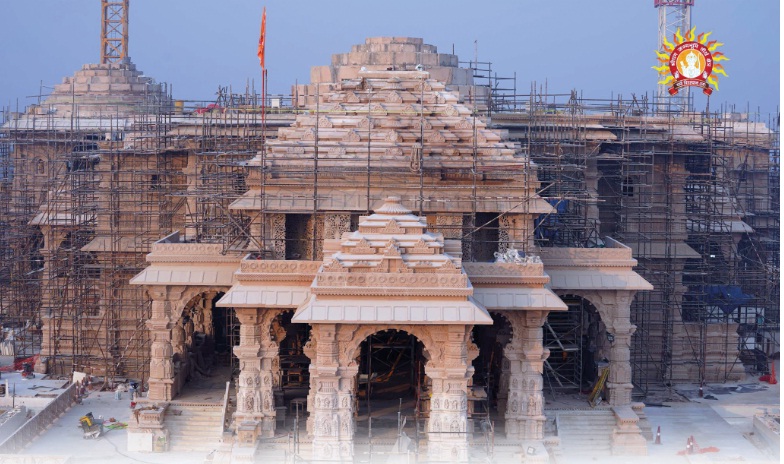
The construction of the Ram Temple in Ayodhya has been a topic of historical, cultural, and political importance in India. The Ayodhya dispute, which spanned several decades, was finally put to rest with the Supreme Court's verdict in 2019, allowing the construction of the Ram Temple at the disputed site. The significance of the Ram Temple extends beyond religious boundaries, playing a pivotal role in shaping the socio-cultural fabric of India. Ayodhya, revered as the birthplace of Lord Rama, has been a symbol of religious and cultural importance for billions of Hindus. The historical context of the Ram Temple dates back centuries, with the disputed site being a flashpoint for communal tensions. The resolution of the Ayodhya dispute and the subsequent construction of the Ram Temple symbolise a significant moment in India's history, fostering a sense of unity. The construction of the Ram Temple is viewed as a unifying force in India, bringing together people from various religious and cultural backgrounds. While the temple holds immense religious significance for Hindus, it also serves as a symbol of India's rich cultural heritage. The inclusivity of the project, with contributions from people of all faiths, reflects the idea of a pluralistic and harmonious society. The Ram Temple, designed to be an architectural marvel, draws inspiration from traditional Indian temple architecture. The construction not only fulfills a religious aspiration but also contributes to the preservation of India's architectural and artistic heritage. The intricate carvings, sculptures, and the overall design pay homage to the country's ancient craftsmanship, making the temple a cultural landmark.
The Ram Temple is expected to boost tourism in Ayodhya, attracting pilgrims and tourists alike. The town, already associated with religious tourism, is likely to witness increased footfall, contributing to the local economy. The development of infrastructure and amenities around the temple is expected to further enhance the tourism potential of Ayodhya. The construction of the Ram Temple has political ramifications as well. It marks the fulfillment of a long-standing promise made by BJP to their voters. The resolution of the Ayodhya dispute and the construction of the temple have been hailed as a triumph of justice and governance, influencing political narratives in the country. The Ram Temple in Ayodhya is more than just a religious edifice; it is a symbol of cultural unity, historical resolution, and architectural heritage. As the construction progresses, the temple is set to become a focal point for devotees, tourists, and scholars alike, contributing to the rich tapestry of India's cultural and religious diversity. The significance of the Ram Temple extends beyond its religious connotations, embodying the spirit of a nation that values its past, while looking towards a harmonious and inclusive future.

By Deepak Kumar Rath















Leave Your Comment