


In a significant and alarming shift in strategy, the Pakistan-based terrorist outfit Jaish-e-Mohammed (JeM), which was dealt a crippling blow by Indian forces in the recent Operation Sindoor, has announced the formation of its first-ever women's wing. This move signals a desperate attempt by the beleaguered group to rebuild its capabilities and expand its footprint, including within India.
The new female brigade, named "Jamaat-ul-Mominaat," marks a stark departure from the group's traditional policy of barring women from armed or combat roles. Recruitment for the wing has reportedly begun at the group's central hub, Markaz Usman-o-Ali in Bahawalpur, Pakistan—a city whose significance was underscored during Operation Sindoor, which targeted JeM's headquarters in the same region.
A Leadership Born from Retribution
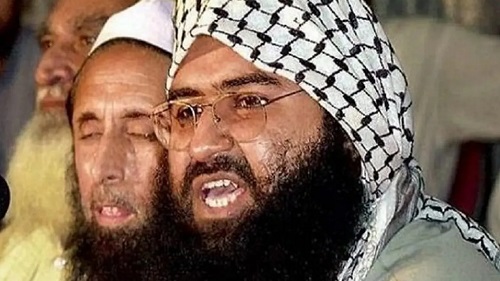
The formation of this wing is not just a tactical shift but appears to be deeply personal for the terror group's leadership. Sources indicate that Jamaat-ul-Mominaat will be led by Sadiya Azhar, the sister of UN-designated terrorist and JeM chief Masood Azhar. The decision gains a grim context: Sadiya Azhar's husband, Yusuf Azhar, a key JeM commander, was killed in the Indian strike on the group's Markaz Subhanallah headquarters during Operation Sindoor.
The decision to incorporate women into the terrorist organization's operational framework was jointly approved by Masood Azhar and his brother, Talha al-Saif. This move establishes an exclusive female brigade aimed at leveraging a previously untapped demographic for the group's activities.
Recruitment and Sinister Ambitions
The outfit has begun enlisting women from two primary pools: the wives of its existing commanders and economically vulnerable women who are already studying at its network of centers in cities like Bahawalpur, Karachi, Muzaffarabad, and Mansehra.
While terror groups like ISIS, Boko Haram, and the LTTE have a long and grim history of deploying women as suicide attackers, groups like JeM and Lashkar-e-Taiba (LeT) have largely avoided doing so. This now appears to be changing. Intelligence sources suggest that JeM seeks to deploy female suicide bombers in future terror operations, a tactic that can often bypass security protocols designed primarily to scrutinize men.
Extending the Digital Jihad to India
Perhaps more immediately concerning are the plans to extend the wing's operations into India. Sources report that "Jamaat-ul-Mominaat" is expected to build online networks, particularly targeting Jammu and Kashmir, Uttar Pradesh, and parts of south India. Their recruitment and radicalization activities are likely to be spread through various social media platforms and encrypted messaging applications like WhatsApp.
The recruitment strategy is sophisticated and insidious. A JeM circular promoting the new brigade features images of Mecca and Medina, using powerful religious iconography. It contains highly emotional content specifically designed to target educated and urban Muslim women, luring them in the name of religion to carry out the group's violent agenda.
A Group Seeking Revenge and Relevance
The formation of the women's wing is a clear indicator that Operation Sindoor struck at the very heart of Jeish-e-Mohammed. Masood Azhar himself had earlier claimed that 10 members of his family, including his elder sister, her husband, and five children, were killed in the operation. This personal loss for the terror chief is now being channeled into a new, more dangerous strategy.
JeM, responsible for some of the most high-profile attacks on Indian soil including the 2001 Parliament attack and the 2019 Pulwama suicide bombing, is demonstrating a chilling adaptability. By creating Jamaat-ul-Mominaat, the group is not only seeking to avenge its losses but also to revive its crippled network by exploiting a new front—one that security agencies must now prepare to counter both in the physical and digital worlds.





















Leave Your Comment