


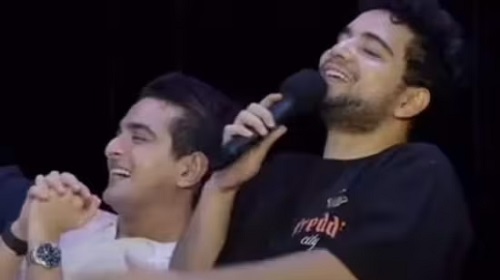
A recent controversy has erupted in Maharashtra's Mumbai, involving prominent social media personalities Ranveer Allahbadia (popularly known as 'BeerBiceps'), Apoorva Mukhija ('The Rebel Kid'), and comedian Samay Raina. A complaint has been registered against them for allegedly using "abusive language" during an episode of the online show India's Got Latent. The organizers of the show have also been named in the complaint, as reported by news agency ANI.
The complaint was filed with the Mumbai Commissioner and the Maharashtra Women's Commission, urging strict action against the accused. The letter, cited in the report, claims that the remarks made during the show were "intended to profit from controversy, with no regard for the harm caused to women's dignity or the negative influence on young audiences, particularly minors, who might have been exposed to these comments."
The episode in question featured content creators Ashish Chanchlani, Jaspreet Singh, Apoorva Mukhija, and Ranveer Allahbadia. During the show, Allahbadia posed a controversial "would you rather" question to a contestant, which revolved around the topic of sexual or intimate relationships between their parents. The question sparked outrage on social media, with netizens condemning Allahbadia for what they perceived as inappropriate and disrespectful content.
The remarks quickly went viral, drawing widespread criticism from viewers who accused the creators of crossing ethical boundaries and promoting offensive content for the sake of entertainment and engagement. Many argued that such content not only disrespects women but also sets a poor example for younger audiences who follow these influencers.
The controversy reached the corridors of power, with Maharashtra Chief Minister Devendra Fadnavis being asked about the incident by reporters. Fadnavis responded by stating, "I have come to know about it. I have not seen it yet. Things have been said and presented in a wrong way. Everyone has freedom of speech, but our freedom ends when we encroach upon the freedom of others."
He further emphasized that Indian society operates within certain cultural and moral frameworks, and violating these norms is "absolutely wrong." Fadnavis added that appropriate action should be taken against those responsible for such violations.
This incident has reignited the ongoing debate about the responsibility of content creators, especially those with massive followings, to ensure that their content is respectful, ethical, and mindful of its impact on diverse audiences. Social media influencers and comedians often walk a fine line between pushing creative boundaries and crossing into offensive territory. While freedom of expression is a fundamental right, it comes with the responsibility to avoid causing harm or perpetuating disrespectful narratives.
Critics argue that the pursuit of viral content and engagement should not come at the cost of societal values or the dignity of individuals. The complaint filed in Mumbai highlights the growing demand for accountability in the digital content space, particularly when it comes to influencers who wield significant influence over young and impressionable audiences.
As the complaint moves forward, it remains to be seen what actions will be taken against the accused. The incident serves as a reminder to content creators about the importance of balancing creativity with responsibility. It also underscores the need for platforms and organizers to implement stricter guidelines to prevent the dissemination of harmful or offensive content.
In the meantime, the controversy has sparked a broader conversation about the role of social media in shaping public discourse and the ethical boundaries that must be upheld in the pursuit of entertainment. As the digital landscape continues to evolve, incidents like these highlight the importance of fostering a culture of respect and accountability in the world of online content creation.


















Leave Your Comment