


The way Rahul Gandhi is discussing SIR reflects the desperation of the Congress and its allies. Because what is emerging from SIR is a blow to the mismanagement they have fostered over the years. Now, the ongoing Special Intensive Revision (SIR) process in Uttar Pradesh has exposed a significant truth about India's electoral structure—the rotten system embedded in the voter list, which has been felt to need cleansing for years, but has seen very little action. However, as soon as the Modi government decided to implement SIR, this system became active and reached the Supreme Court with its widow's lament. However, during the Supreme Court hearing on this issue yesterday, it clarified that since SIR is not an annual routine process, judicial intervention must be done with utmost caution. The bench headed by the Chief Justice said that after almost twenty years, a comprehensive investigation of this scale is taking place, and the court cannot interfere in every technical step of the Election Commission. This comment is important because the veracity of each name in the voter list is the basic foundation of the credibility of democracy.
The figures emerging from the SIR in Uttar Pradesh are shocking. Nearly 29 million names are in the process of being removed from the voter list—approximately 18.84% of the state's 154.4 million total voters. These include 12.7 million transferred voters, 8.47 million absentees, 4.6 million deceased, and 23:7 million duplicate entries. This isn't just a problem of technical errors or outdated data, but a rot at the core of electoral transparency that cannot be ignored. Following the discovery of such widespread irregularities, the SIR deadline has been extended to December 31, and Booth Level Officers (BLOs) will now conduct on-the-ground verification in collaboration with party representatives.
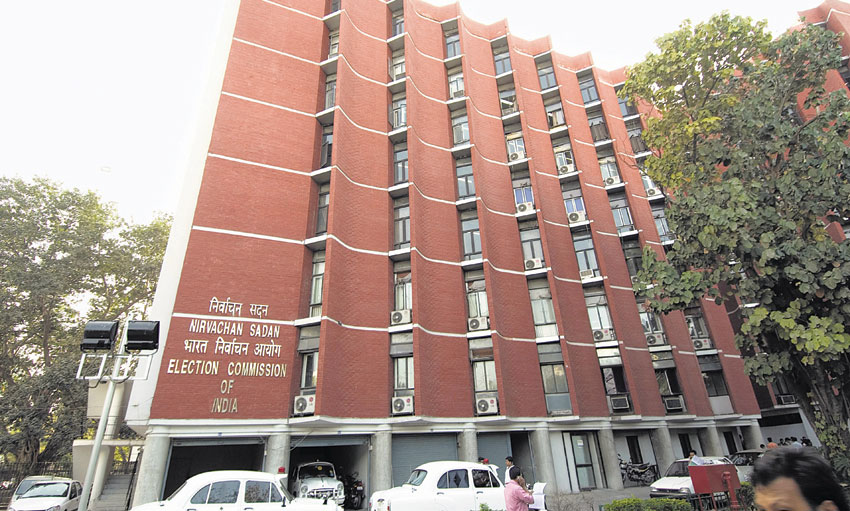
It's natural to ask: If a large and administratively strong state like Uttar Pradesh is reporting such massive irregularities, what would be the situation in states like West Bengal, where political violence, booth capturing, and fake voter entries have long been a serious issue? For years, allegations of "ghost voters" and outsiders being included in voter lists in Bengal have been rife. If nearly one-fifth of the voter base in Uttar Pradesh is found to be suspicious, the mere thought of the actual situation in Bengal raises serious questions about the credibility of the electoral process.
The Supreme Court's comment is relevant because, while the judiciary respects the Election Commission's jurisdiction, it also indicates that the Commission must bring greater transparency and rigor to its processes. In any democracy, accurate voter lists are a prerequisite for electoral fairness. When irregularities such as fake names, dead names, duplicate entries, and transferred voters run into the millions, it's natural to raise doubts about the credibility of election results.
The Election Commission's SIR is not just an administrative exercise, but a campaign to clean up democracy. It sends a clear message that without fair verification, elections will be a mere formality. And in this context, it is essential that a rigorous, honest, and politically mediated SIR campaign be conducted in all states, including Bengal. Fair elections are not just the Commission's responsibility, but a fundamental duty to protect democracy—and this begins with ensuring the accuracy of voter lists.
UDAY INDIA BUREAU














Leave Your Comment