


T he 2024 general elections in India marked a significant turning point in the nation's political landscape, with the Bharatiya Janata Party (BJP) suffering an unexpected defeat. Despite executing a well-strategized campaign and leveraging its robust political machinery, the BJP could not secure a mandate for a third consecutive termon its own. What VD Savarkar had said has come true. He had said, "I am not afraid of Muslims, I am not afraid of the British. I am afraid of Hindus against Hinduism." This is what has happened in Ayodhya in particular and Uttar Pradesh in general. After the recent "prana pratishtha" and inauguration of the grand Ram Janmabhoomi temple in Ayodhya, the defeat of the Bharatiya Janata Party (BJP) in Uttar Pradesh's Faizabad seat has surprised many.
Despite Lallu Singh's consecutive victories from the same Lok Sabha seat in the last two general elections, Samajwadi Party candidate Awadhesh Prasad defeated BJP candidate Singh, indicating a dramatic change in the local political scenario. With a total of 554,289 votes, Prasad defeated Singh by a margin of over 54,000 votes.
The government that made the whole of Ayodhya shine! Gave a new airport, railway station. Built the Ram temple after 500 years. Created an entire temple economy! If that is not surprising, then that party has to face defeat in the Ayodhya seat. I have seen that no party can do the development that BJP has done in Ayodhya. But what happened was seen by everyone.
This country and its majority have no conscience left. This election result has surprised many people. One can understand that BJP failed to influence voters on employment, rhetoric or many other issues, but what is not understandable is that this country votes and sends a Khalistani terrorist to the Parliament but not an IPS who left his lucrative government job to serve the society.
This result tells a lot about the credibility of Hindus. Forget Mathura and Kashi. From today onwards they should not cry when temples will be demolished, when they will be attacked, as is happening now in Bengal. There is a village in Rampur, Uttar Pradesh, whose polling booth has 100% Muslim voters, where a total of 2322 votes were cast, in which not a single vote was received by BJP. Interestingly, under the Pradhan Mantri Awas Yojana, 532 houses were given in that village and all the houses were given to Muslims. This is true. This is how they vote and we have seen how Hindus vote.
This is why the entire opposition was clear that they will form the government. They succeeded in dividing Hindus on caste lines and the result is before everyone. Improvement in the law and order situation, no incidents of communal riots, increase in industrial investment, construction of big infrastructure like expressways, highways and airports, these things did not matter to the voters of Ayodhya in particular and UP in general. They were engrossed in their caste calculations.
It is said that forget the past and move forward. Narendra Damodardas Modi is going to take oath as Prime Minister for the third time very soon. The NDA has sufficient numbers and will soon stake claim to form the government. But people should remember one thing. This time NDA's victory is bigger than 2014 and 2019. This time the fight was not with Congress, SP, Mamta and AAP, this time the fight was with global powers. To create an artificial rebellion, to create a caste divide, a social media campaign was run from foreign countries. Every conspiracy was hatched to divide Hindus. Rahul Gandhi's venom spewing from foreign soil was also a part of this chain. Narendra Modi was the biggest hurdle in this conspiracy to divide the country. PM Modi knew this, that is why he achieved this victory through hundreds of interviews, public meetings and tireless hard work.
Victory has been achieved, the government will also be formed but the truth is that Hindus are still sleeping, they still do not understand what danger they are inviting. Late Pratah Smriti Kalyan Singh was punished by these Hindus for Babri Masjid and now Modi has been punished for Ram Mandir. This is the best recipe to keep Hindus as slaves of others for the last 1000 years. this is how disaster happens. There is no dearth of such Jaichands in India, till now this title was with Bihar, but this time UP has won. Hindus of UP should be thankful to other states that India is still under Modi's rule, otherwise what is going to happen in future, its example can be seen in Maharashtra too, where Pakistani flags were hoisted during the victory procession of the Indi alliance candidate.
This article delves into the multifaceted reasons behind the BJP's defeat, the immediate and long-term consequences, the resurgence of coalition politics, its impact on India's growth trajectory, and the prospects for the future.
What Went Wrong for the BJP?
Anti-Incumbency Sentiment
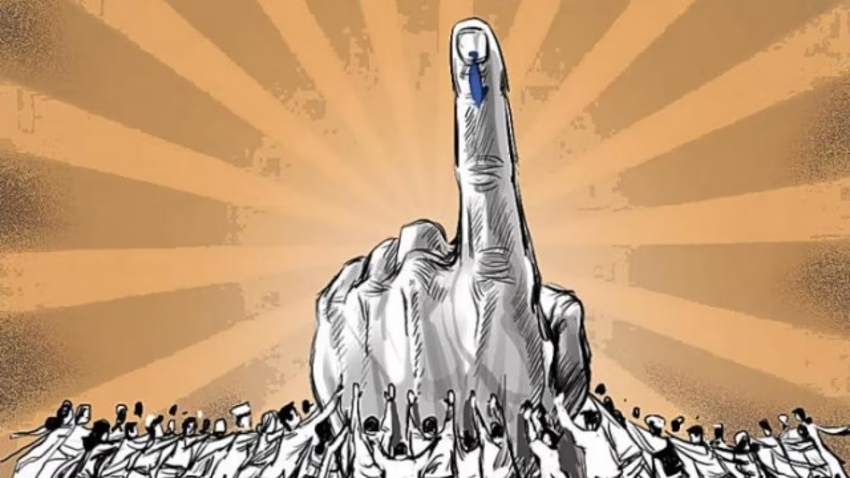
After a decade in power, the anti-incumbency factor played a crucial role in the BJP's defeat. Voters often seek change after prolonged periods of governance by a single party, driven by a desire for new policies and fresh leadership. Despite numerous achievements, the BJP could not entirely escape the weariness and dissatisfaction that often accompanies long-term incumbency.
Economic Challenges

While the BJP's economic policies had seen periods of robust growth, the latter part of its second term was marred by economic challenges. The post-COVID-19 recovery was slower than expected, and issues such as rising unemployment, inflation, and agrarian distress persisted. The government’s inability to effectively address these economic concerns eroded public confidence, especially among the middle and lower-income groups.
Social Polarization

The BJP's strategy often involved emphasizing Hindutva and nationalist rhetoric, which, while consolidating its core vote base, also led to increasing social polarization. This alienated minority communities and secular-minded voters, driving them towards opposition parties that promised more inclusive governance. Incidents of communal violence and the perceived marginalization of certain groups created a backlash against the BJP in crucial states.
Unified Opposition
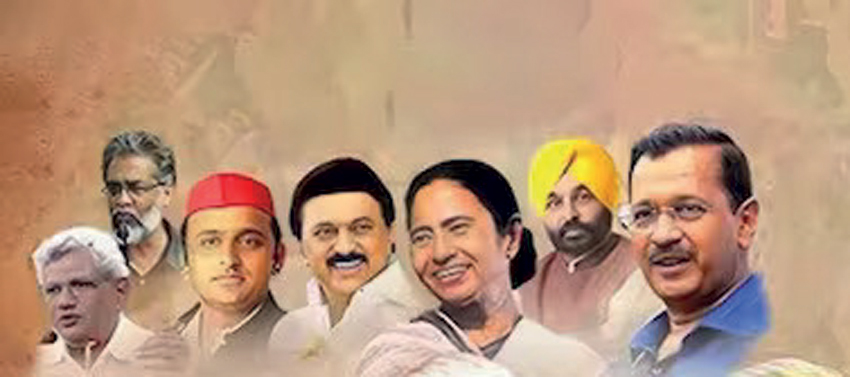
Unlike previous elections where the opposition was fragmented, 2024 saw a more unified opposition front. The Congress Party, regional players like the Trinamool Congress (TMC), Samajwadi Party (SP), and Dravida Munnetra Kazhagam (DMK), and several others formed strategic alliances, presenting a formidable challenge to the BJP. This unity diluted the BJP's dominance in several key states, leading to a significant loss of seats.
Youth Discontent

The youth, a significant demographic in India, expressed discontent over issues like employment and education. Despite various schemes aimed at skill development and job creation, the perceived gap between promises and delivery affected the BJP's popularity among young voters. The opposition successfully tapped into this discontent, promising new opportunities and reforms tailored to the aspirations of the younger generation..
Handling of Protests and Movements

The BJP's handling of various protests and social movements, such as the farmers' protests against agricultural laws, was seen as high-handed and dismissive. The protracted nature of these protests and the government's reluctance to engage in meaningful dialogue cost the BJP considerable political capital, especially in agrarian states like Punjab, Haryana, and Uttar Pradesh.
Consequences of the BJP's Defeat
Political Realignment

The BJP's defeat has led to significant political realignment. The once-dominant party now faces the challenge of rebuilding its organizational strength and reevaluating its strategies. The emergence of a more powerful opposition has altered the balance of power, with new leaders and parties gaining prominence on the national stage.
Policy Shifts

A change in government usually brings about shifts in policy direction. The new coalition government is expected to focus on inclusive growth, social justice, and economic reforms aimed at reducing inequality. This might include revisiting or reversing some of the BJP’s flagship policies, such as labor and agricultural reforms.
Foreign Policy Adjustments

India's foreign policy might also see adjustments. The previous administration's emphasis on strong ties with Western powers and a robust defense posture might be recalibrated to focus more on regional cooperation and multilateral diplomacy. The new government could adopt a more balanced approach, seeking to strengthen ties with neighbors and emerging economies.
The Resurgence of the Coalition Era
Coalition Dynamics

The 2024 elections herald the return of coalition politics in India. The multi-party alliance that unseated the BJP will need to navigate the complexities of coalition governance. This involves managing diverse ideologies, regional aspirations, and policy priorities to ensure stability and cohesive governance.
Challenges of Coalition Governance

Coalition governments often face challenges related to policy coherence and decision-making efficiency. The need to accommodate various stakeholders can lead to compromises and slower policy implementation. The new government will need to work diligently to maintain unity and prevent internal conflicts from undermining its agenda.
Impact on India’s Growth Trajectory
Economic Policy Continuity and Change
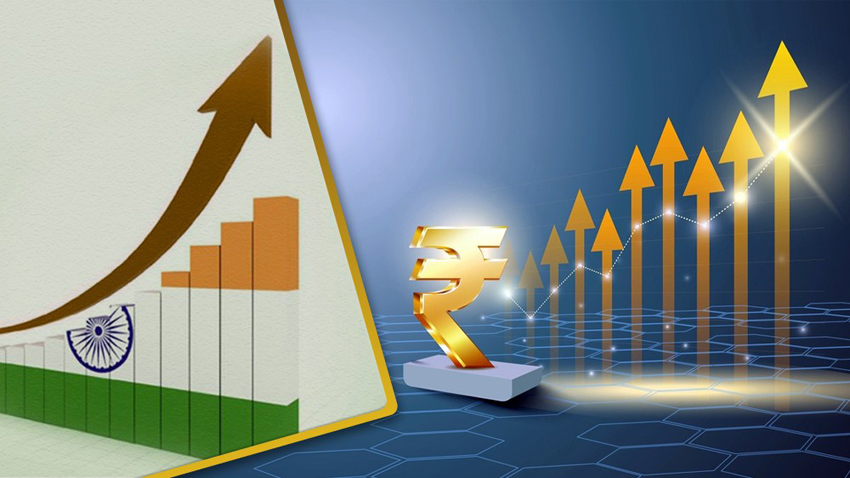
The impact on India's growth trajectory will largely depend on how the new government balances continuity and change in economic policy. While some reforms initiated by the BJP may continue, others might be modified or replaced. The focus is likely to shift towards more inclusive and sustainable development, addressing income disparities and social welfare.
Investor Confidence

Investor confidence may experience short-term volatility due to the change in government. However, if the new administration can quickly establish a clear and stable economic policy framework, it can mitigate uncertainty and attract both domestic and foreign investment. Emphasizing regulatory stability and ease of doing business will be crucial.
Social Development

The new government's agenda is expected to place greater emphasis on social development, including healthcare, education, and poverty alleviation. This could lead to improved human capital and long-term economic benefits, although it might require significant public expenditure in the short term.
Future Prospects
Political Landscape

The BJP's defeat marks a significant shift in India's political landscape. The party will need to introspect and rejuvenate its leadership and strategies to remain relevant. The opposition, now in power, must demonstrate effective governance to retain public support and build a lasting political legacy.
Policy Innovation

The change in government opens opportunities for policy innovation. New ideas and approaches to governance, economic management, and social justice can be explored. The success of these policies will depend on their implementation and the ability to achieve tangible improvements in the lives of ordinary citizens.
Role of Technology and Innovation

Technology and innovation will continue to play a crucial role in India's development. The new government is likely to promote digital inclusion, technological advancements in agriculture and manufacturing, and innovation-driven growth. Strengthening the ecosystem for startups and tech entrepreneurs will be a priority.
Youth and Future Generations

Engaging the youth will be critical for the new government. Addressing their aspirations, providing quality education, and creating job opportunities will be essential to harnessing the demographic dividend. Policies aimed at empowering young people can drive long-term economic growth and social stability.
Environmental Sustainability

Environmental sustainability is expected to gain more attention. With global climate change concerns, the new government might prioritize renewable energy, sustainable agriculture, and conservation efforts. Balancing economic growth with environmental stewardship will be a key challenge.
Conclusion
The BJP's defeat in the 2024 general elections, despite a well-executed campaign, underscores the dynamic and unpredictable nature of democratic politics. A combination of anti-incumbency sentiment, economic challenges, social polarization, and a unified opposition contributed to this outcome. The return of coalition politics brings both opportunities and challenges for governance and policy implementation. As India navigates this new political era, the focus will be on inclusive growth, social justice, and sustainable development. The future promises a landscape where diverse voices and collaborative governance shape the nation's trajectory, offering a fresh start and renewed hope for progress and prosperity.

By NILABH KRISHNA
(The content of this article reflects the views of writers and contributors, not necessarily those of the publisher and editor. All disputes are subject to the exclusive jurisdiction of competent courts and forums in Delhi/New Delhi only)




















Leave Your Comment