


The BJP’s strategic move to appoint new Chief Ministers in Chhattisgarh, Madhya Pradesh and Rajasthan following the saffron party’s recent victory in the assembly elections has surprised political observers. These names were seldom heard of.
Chhattisgarh – The party picked Vishnu Deo Sai, a 59-year-old seasoned tribal leader and a former Union Minister, as the next Chief Minister of the state. A four-time Lok Sabha member and the former state BJP head, Sai is the fourth Chief Minister of the state. He started his political career as a village sarpanch and reached the level to serve as the member of BJP’s national executive. He is an MLA from Kunkuri seat in the state’s Sarguja region and has good rapport with the RSS. Arun Sao,55, a popular OBC face in the state, is the deputy Chief minister. He was the member of the 17th Lok Sabha from Bilaspur constituency before being elected from Lormi Vidhan Sabha seat in legislative assembly of the state. He is a lawyer by profession and the President of the state BJP unit. Vijay Sharma,47, a fire brand Hindu leader is the second Dy. CM of the state. He is an MLA from Karwadha Constituency, a Brahmin by caste, and holds the M. Sc. and MCA degrees. The party has played the delicate task of balancing caste dynamics of reaching out to upper castes with OBCs and Adivasis.
The road ahead for the first-time tribal CM will be challenging. The Maoists infested Bastar region of south Chhattisgarh has witnessed multiple protests during the previous Congress government over the issues of police atrocities, mining, and extra judicial killings of the tribals. Though the BJP has not made any particular promise to the tribals of this region, the appointment of a tribal CM has raised their hopes. In north Chhattisgarh, the locals are demanding an end to coal mining and the corporates are pushing for the opening of more mines. As both north and south present unique challenges, the central plains- the agriculture belt has issues of its own. The promise to disburse Rs. 12,000 to every married woman annually of the state and increased MSP (minimum support price) of Rs 3,100 per quintal will be difficult to meet without raising the burden of taxes on the people. The youth are interested in getting jobs, inclusion in mainstream, modern ways of living and removing the Maoists.

The state has about 3 crores population with 40% of its area covered with forests. It is a resource rich state with huge coal reserves providing electricity and steel to the rest of the country. The new leadership is a mix of energy, experience, and caste matrix. The BJP has been voted to power with lots of hopes and expectations and the central leadership of the party has carefully selected the new faces to lead the state. It is believed that the promises made to the people of Chhattisgarh will be fully implemented and the state moves on the path of the development.
Madhya Pradesh - The landslide victory for the BJP was a surprise to all, while the election experts proclaimed an easy rebound for the Congress. There was no anti-incumbency against Chief Minister Shivraj Singh Chouhan (Mama). The well-planned election strategy got the BJP a massive 166 seats in 230-member house while the Congress got only 66 with respectable 40.4% vote share. The greater surprise for the nation was the name of the new CM, Mohan Lal Yadav,58, a prominent OBC leader, with strong RSS background and third time MLA from Ujjain south Constituency, from 2013. He holds the MA, MBA and PhD degrees. He started his career with ABVP and was the education minister in Mama’s government. Jagdish Devda,66, a prominent SC face in the state has been sworn in as the Dy CM. He started his career with BJP Yuva Morcha and holds the MA and LLB degrees. He has been an MLA for six times and presently represents the Malhargarh Constituency. He was the Finance Minister in the previous government before being elevated as the Dy. CM. The second Dy. CM of the state is Rajendra Shukla,59, a five-time MLA from Rewa and has emerged as the strong Brahmin face of the party in the Vindhya Pradesh Region. He holds engineering degree and began his political career in the student politics. He handled the portfolios of Industry, Energy and Public Health in the previous government. The party’s policy of bringing change and appointing a relatively younger CM is a major boost to the second line leadership and a mature plan.
The BJP has retained an OBC Chief Minister along with one SC and one Brahmin Dy. CM and kept a balance on the caste lines. This has heralded a new era; a shift from Shivraj Singh Chouhan’s reign of nearly 20 years. Mohan Yadav will have to grapple with economic and political challenges. He will have to strike harmonious work equation with the senior leaders sent from the centre to state for the assembly elections, along with Shivraj Singh Chouhan. On financial front, Mama’s popular ‘Ladli Behna Yojna’ which entails Rs 1,250 per month to nearly 13 million women, is already in place and in addition, the promise for subsidised LPG cylinders, the procurement of wheat and paddy at MSP (wheat Rs 2,700 and paddy Rs 3,100 per quintal) along with bonus, will require huge funding.
The state has a population of about 8 crores and is known for tourism and has the reserves of coal, iron, manganese, copper, limestone etc. It is famous for diamond mines at Panna. Mohan Yadav will have to perform as per the aspirations of the people of the state by fulfilling the promises made in the manifesto.
Rajasthan – The state has the tradition of changing the government from the last three decades. The elections were held to elect 199 in the assembly of 200 members and the BJP won 115 seats, while the Congress managed only 69. Ashok Gahlot launched some welfare schemes but the dissidence in the party, particularly the revolt by Sachin Pilot, poor law and order and corruption allegations against the government led to the change. Ashok Gahlot and Vasundhra Raje Scindia have been the Chief Ministers for 25 years. In a surprising move, the BJP ignoring all senior leaders, decided to go for a first time MLA as the new CM. Bhajan Lal Sharma, a 56-year-old Brahmin, a post graduate in Political Science, representing Sanganer Constituency in Jaipur, has been sworn in as the 14th CM of the state. He started his political career with ABVP and became the sarpanch of his village at the age of 27. He served as the General Secretary and the Vice President of the state unit of the party. Diya Kumari,52, an MLA from Vidyadhar Nagar Constituency was sworn in as the Dy. CM of the state. She joined the BJP in 2013 and was elected from Madhopur Constituency for the state assembly and became the Lok Sabha member in 2019 from Rajsamand. A Rajput by caste, having studied in India and London, she belongs to the Royal family of Jaipur. Premchand Bairwa,52, an MLA from Dudu is the other Dy. CM. Born in an ordinary Dalit family, he did MA, PhD and joined politics in 2000 by winning the election of the Zilla Parishad members and became an MLA in 2013.
Rajasthan is the largest Indian state by area with a population of about seven crores. It earns substantial revenue from tourism. The tourists visit hillforts, palaces, tiger reserves parks, deserts, temples, etc. It has reserves of lead, zinc, silver, marble, lithium, asbestos etc. Bhajan Lal has challenges to face in winning the trust of the leaders of the party who are much senior to him and implementing the promises made to the people of the state that has tremendous growth potential.
The BJP has taken a bold and appropriate decision by bringing in the next line of leadership to the front and giving the hope and confidence that the ordinary persons of the party can be elevated to high level - a long-term vision of the party. The people have already rejected the idea of caste survey. The BJP on the other hand attempted to strike a balance while selecting the Chief Ministers and their deputies. No attempts should be made to divide the society on caste basis. The government’s welfare schemes’ advantage should reach the poorest people of the society. The focus should be more on job creation than on reservation. The popularity of PM Modi is on the rise. The newly appointed Chief Ministers must prioritize the welfare schemes and development of resource rich states, aligning with the promises made to the people during the election campaign, and implement the schemes mentioned in the election manifestoes to ensure that the people’s faith in MODI KI GUARANTEE continues!
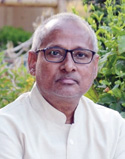
By Manoj Dubey
(The content of this article reflects the views of writers and contributors, not necessarily those of the publisher and editor. All disputes are subject to the exclusive jurisdiction of competent courts and forums in Delhi/New Delhi only)














Comments (1)
S
A very good and clear picture to understand the situation, Dubey Sir.Keep it up so that people like me get a gist of what is currently happening back home.