


How a Temporary Fuel Crisis Can Anchor Lasting Climate Action
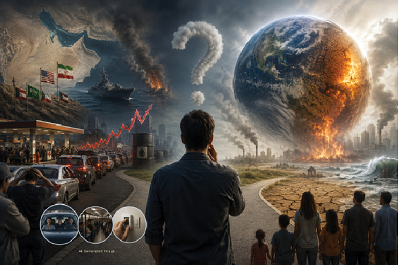
The geopolitical tremors radiating from the Strait of Hormuz have once again sent shockwaves through the global energy market, plunging nations into the familiar panic of a fuel crisis. Suddenly, the conversation has shifted toward immediate survival tactics: carpooling, relying on public transit, and drastically curbing unnecessary energy consumption.
These measures are adopted with a sense of urgency, viewed as temporary sacrifices to weather a passing storm. Yet, this knee-jerk reaction exposes a profound irony in our collective psyche. If we are capable of rapidly altering our daily habits to combat a transient energy crunch, why do we fail to apply the exact same discipline to the climate crisis—a catastrophe that is not a passing storm, but a permanent shift in our planet’s life-support systems?
The fuel crisis triggered by regional conflicts is undeniably disruptive, but it is fundamentally temporary. Supply chains eventually adapt, new trade routes emerge, and market forces recalibrate. In stark contrast, the climate crisis is a compounding, decades-old emergency that does not have a reset button. Melting glaciers, rising sea levels, and unpredictable weather patterns are not seasonal inconveniences; they are structural breakdowns of our environment. By treating the symptoms of a fuel shortage with aggressive behavioral changes while ignoring the root causes of environmental degradation, we are essentially fixing a broken window while the foundation of the house is sinking. The habits we adopt during an energy crisis should not be discarded when the pumps open back up; instead, they must be codified into our permanent way of life to address the ultimate existential threat of our time.
Consider the immediate shift toward carpooling and public transportation when fuel prices skyrocket. During a crisis, sharing a ride or boarding a bus becomes a badge of economic prudence and civic responsibility. This exact shift is precisely what the climate movement has been advocating for decades, yet it is often met with resistance, viewed as an inconvenient compromise on personal freedom. When we look through the lens of the climate crisis, the private automobile is one of the largest individual contributors to carbon emissions. By transforming carpooling from a temporary financial shield into a permanent cultural norm, we can fundamentally alter the emissions trajectory of our urban centers. The infrastructure is often already there; what is missing is the sustained collective will. The current fuel crisis proves that the psychological barrier to giving up solo driving is entirely negotiable when the stakes are high enough. We must realize that the stakes are already at an all-time high for the planet.

Furthermore, an energy crunch forces both individuals and industries to practice radical energy efficiency. We turn off unnecessary lights, optimize heating and cooling, and reconsider our consumption patterns. This involuntary masterclass in conservation is exactly the blueprint needed for long-term climate mitigation. The climate crisis demands a systemic reduction in energy demand alongside the transition to renewables. The habits formed in the crucible of a supply shortage—such as mindful consumption and localized living—are the very pillars of a sustainable society. If we can learn to live efficiently when fuel is scarce, we must retain that wisdom when fuel becomes abundant again. Treating energy as a precious, finite resource should be our default settings, not an emergency protocol.
The transition from crisis management to sustained lifestyle modification requires a shift in how we perceive civic duty. During a geopolitical crisis, governments launch massive public awareness campaigns, and citizens feel a shared responsibility to conserve. We need to channel that same sense of collective urgency into the climate fight. The collective memory of navigating a fuel shortage should serve as tangible proof that society can adapt rapidly when required. We have shown that we can decouple our daily routines from excessive fossil fuel reliance overnight. Carrying these habits forward into a post-crisis world turns a geopolitical vulnerability into an environmental victory.
Ultimately, the crisis in the Strait of Hormuz should serve as a stark wake-up call, but not just about the volatility of oil. It should expose the fragility of our fossil-fuel-dependent existence and highlight the readily available solutions we choose to ignore during times of ease. The temporary habits of carpooling, using public transit, and conserving energy are not just emergency survival tools; they are the foundational building blocks of a climate-resilient future. It is time to stop viewing environmental action as a distant, optional sacrifice and start seeing it as a permanent extension of the common-sense measures we take during an economic pinch. By anchoring the lessons of this temporary fuel crisis into our permanent cultural fabric, we can finally begin to address the decades-long climate crisis with the urgency it has always deserved.

Viral Desai
(The author is a known Environmentalist and the pioneer of Satyagraha Against Pollution movement, viraludayindia@gmail.com )
(The content of this article reflects the views of writer and contributor, not necessarily those of the publisher and editor. All disputes are subject to the exclusive jurisdiction of competent courts and forums in Delhi/New Delhi only)




















Leave Your Comment