


Brazil, a global leader in ethanol production, has extended a helping hand to India, a significant consumer of petroleum products, to enhance its domestic ethanol output and reduce reliance on imported fossil fuels. This collaboration between the two nations holds immense potential for India's energy security, environmental sustainability, and economic growth.
Ethanol, an alcohol derived from sugarcane or other starchy crops, has gained prominence as a renewable and sustainable alternative to fossil fuels. It offers several advantages, including reduced greenhouse gas emissions, improved air quality, and economic benefits for rural communities involved in sugarcane cultivation.
India's ethanol blending program, which mandates a gradual increase in the percentage of ethanol mixed with gasoline, aims to achieve 20% ethanol blending by 2025-2026. This ambitious target aligns with India's commitment to reducing its carbon footprint and promoting sustainable energy sources.
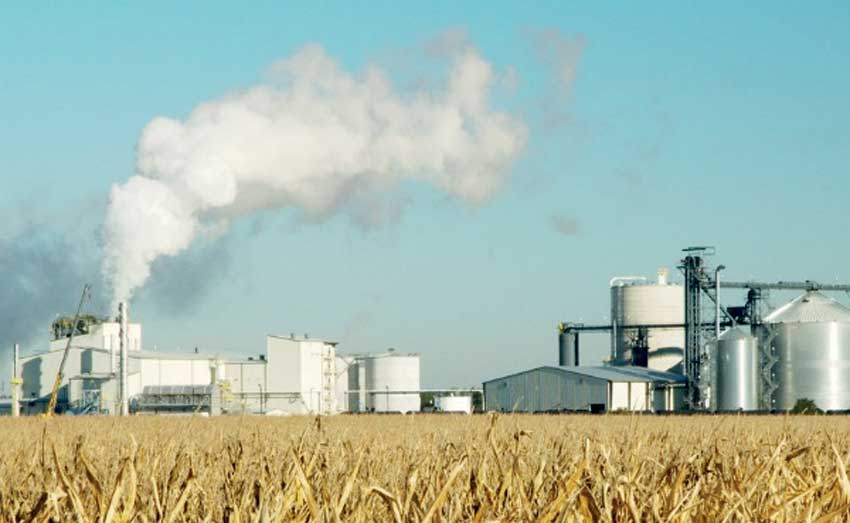
Brazil's expertise in ethanol production, spanning decades of research and development, makes it an ideal partner for India. By sharing its knowledge and technology, Brazil can help India overcome challenges in ethanol production, including sugarcane productivity, ethanol extraction efficiency, and infrastructure development.
Apart from environmental and energy security considerations, there are several compelling reasons why India is keen on boosting its ethanol production:
1. Reducing Reliance on Crude Oil Imports: India is heavily dependent on imported crude oil, making it vulnerable to global price fluctuations and supply disruptions. Increased ethanol production can reduce this dependency, enhancing India's energy security and insulating it from external shocks.
2. Promoting Sustainable Agriculture: Ethanol production utilizes sugarcane, a crop that thrives in tropical climates like India's. This can incentivize sugarcane cultivation, particularly in rural areas, creating employment opportunities and boosting the agricultural sector.
3. Economic Benefits for Rural Communities: Ethanol production and sugarcane cultivation can provide stable income sources for farmers and rural communities, enhancing their livelihoods and contributing to rural development.

4. Waste Utilization: Ethanol can be produced from surplus sugarcane or other agricultural residues, diverting waste from landfills and converting it into a valuable commodity.
5. Reducing Air Pollution: Ethanol-blended gasoline has been shown to reduce emissions of harmful pollutants, contributing to cleaner air and improved public health.
Brazil's assistance in boosting India's ethanol production is a significant step towards a greener, more sustainable future for both nations. By embracing ethanol as a renewable fuel source, India can not only reduce its reliance on fossil fuels but also contribute to its economic growth and rural development. The partnership between Brazil and India in this endeavor holds immense promise for a cleaner, more energy-secure, and prosperous future.
Uday India Bureau















Leave Your Comment