


As 2025 looms on the horizon, India stands at a critical juncture in its disaster preparedness journey. A recent report highlighted in a leading Gujarati newspaper underscores the alarming reality: the nation is not adequately equipped to handle the increasing frequency and intensity of natural disasters. With climate change exacerbating weather patterns and urban vulnerabilities on the rise, experts are sounding the alarm on the urgent need for comprehensive disaster management strategies. This article delves into the current state of disaster preparedness in India, explores the underlying challenges, and proposes actionable solutions to safeguard the nation’s future.
A Nation Underprepared: The Stark Reality
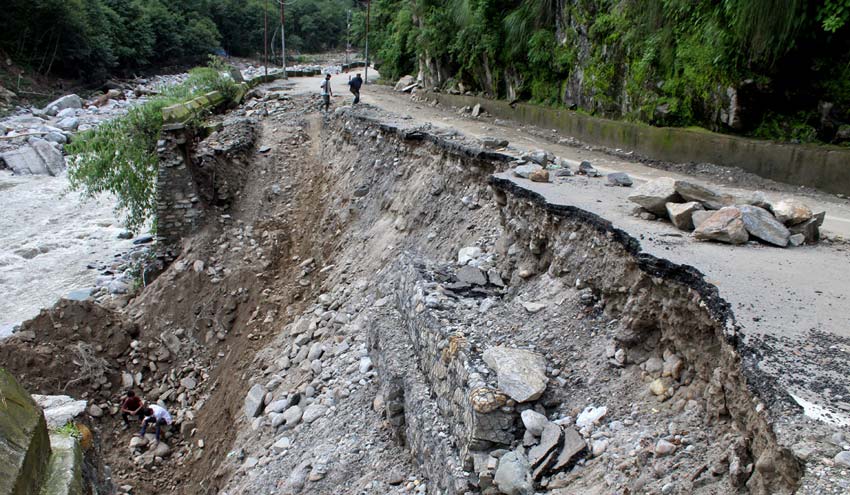
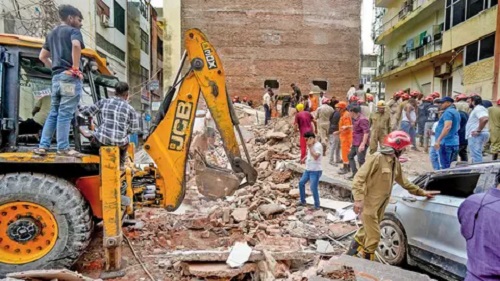
The report reveals that as of 2024, India has made some strides in disaster management, but significant gaps remain. In the past year alone, the country faced 47 major natural disasters, a sharp rise from the 41 recorded in 2023. These events, ranging from floods and cyclones to earthquakes and heatwaves, claimed 1,789 lives and caused economic losses worth billions of rupees. The National Disaster Management Authority (NDMA) estimates that 10.63 crore people were directly affected by these calamities, with Gujarat, Maharashtra, and the northeastern states bearing the brunt.
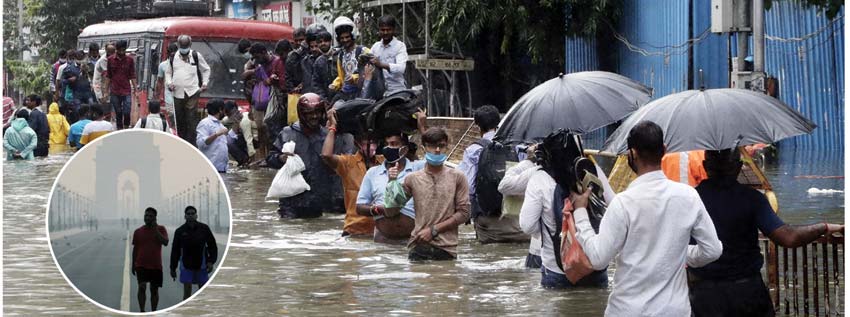
One of the most concerning findings is the lack of readiness in urban centers. Cities like Mumbai, Delhi, and Chennai, which house millions of residents, are ill-equipped to handle large-scale disasters. For instance, Mumbai’s 2023 monsoon floods exposed the city’s crumbling infrastructure, with 143 low-lying areas submerged for days. Similarly, Delhi’s air quality crisis, coupled with its vulnerability to earthquakes, poses a dual threat that the city is unprepared to tackle. The report notes that only 9 states have robust disaster management systems in place, leaving the remaining 27 states and union territories lagging behind.
The Human and Economic Toll
The human cost of this unpreparedness is staggering. In 2024, 26% of disaster-related deaths were attributed to heatwaves, a phenomenon that has become increasingly deadly due to rising temperatures. Floods and cyclones accounted for 14% of fatalities, while earthquakes and landslides contributed to the rest. Women and children, who often lack access to resources and information, are disproportionately affected. A study by the United Nations Development Programme (UNDP) found that 56% of disaster victims in India are women and children, highlighting the need for gender-sensitive disaster planning.
Economically, the impact is equally devastating. The report estimates that India lost 2% of its GDP to natural disasters in 2024, a figure that could rise to 3% by 2030 if current trends continue. Small businesses, farmers, and daily wage workers are the hardest hit, with many unable to recover from the loss of livelihoods. For example, in Gujarat’s Kutch region, a series of flash floods destroyed crops worth ₹500 crore, pushing thousands of farmers into debt. The lack of insurance coverage—only 10% of Indians have disaster insurance—further exacerbates the financial burden on vulnerable communities.
Systemic Challenges in Disaster Management
Several systemic issues contribute to India’s disaster preparedness crisis. First, there is a lack of coordination between central and state governments. While the NDMA provides guidelines, their implementation varies widely across states. For instance, while Odisha has a well-established cyclone preparedness system, states like Bihar struggle with basic flood management infrastructure. Second, funding for disaster management remains inadequate. The report highlights that only 1% of the national budget is allocated to disaster preparedness, far below the 5% recommended by the United Nations.
Third, public awareness and education on disaster preparedness are severely lacking. Only 14% of Indians have received formal training on how to respond to natural disasters, leaving the majority ill-informed about evacuation protocols, first aid, and emergency communication. This gap is particularly pronounced in rural areas, where access to information is limited. Finally, rapid urbanization and environmental degradation are compounding the problem. Deforestation, unchecked construction in floodplains, and the concretization of urban landscapes have increased the risk of flooding and landslides, as seen in the 2021 Uttarakhand glacier burst that killed over 200 people.
Solutions for a Resilient Future
Addressing India’s disaster preparedness crisis requires a multi-pronged approach that combines policy reform, community engagement, and technological innovation. Here are some actionable solutions to build a more resilient nation:
1 Strengthen Institutional Frameworks: The central and state governments must work in tandem to create a unified disaster management framework. This includes increasing funding for disaster preparedness to at least 3% of the national budget and establishing dedicated disaster response units in every district. Regular audits of state-level preparedness plans can ensure accountability and consistency.
2 Invest in Infrastructure Resilience: Urban planning must prioritize disaster-resilient infrastructure. For example, cities like Mumbai can adopt Amsterdam’s model of “sponge cities,” which use permeable surfaces and green spaces to absorb excess rainwater and prevent flooding. Retrofitting old buildings to withstand earthquakes and enforcing strict building codes in high-risk zones are also critical steps.
3 Enhance Public Awareness and Training: The government should launch nationwide campaigns to educate citizens about disaster preparedness. Schools can integrate disaster management into their curricula, teaching children how to respond to emergencies. Community-based drills, like those conducted in Japan, can prepare residents for earthquakes and tsunamis. Additionally, leveraging technology—such as mobile apps for real-time disaster alerts—can ensure that even remote communities receive timely information.
4 Promote Environmental Conservation: Protecting natural ecosystems is key to mitigating disaster risks. Reforestation projects in the Himalayas can reduce the likelihood of landslides, while preserving wetlands in coastal areas can act as a buffer against cyclones. The government should also crack down on illegal construction in ecologically sensitive zones, such as floodplains and hillsides.
5 Expand Insurance Coverage: To reduce the economic impact of disasters, the government can partner with private insurers to offer affordable disaster insurance schemes. Subsidized premiums for low-income families and farmers can ensure that the most vulnerable are protected. The success of the Pradhan Mantri Fasal Bima Yojana (crop insurance scheme) can serve as a model for broader disaster insurance programs.
6 Leverage Technology and Data: Advanced technologies like satellite imaging, artificial intelligence, and early warning systems can revolutionize disaster management. For instance, AI can predict flood patterns with greater accuracy, giving authorities more time to evacuate at-risk areas. The Indian Space Research Organisation (ISRO) can play a pivotal role in providing real-time data to support disaster response efforts.
A Call to Action
India’s disaster preparedness crisis is a wake-up call for policymakers, communities, and individuals alike. The rising toll of natural disasters—both in terms of lives lost and economic damage—cannot be ignored. By addressing systemic challenges, investing in resilient infrastructure, and empowering citizens with knowledge and resources, India can build a future where disasters no longer spell devastation. The time to act is now, before the next calamity strikes. As 2025 approaches, the nation must unite in its resolve to create a safer, more prepared India for generations to come.

By Viral Desai
(The author is a known Environmentalist and the pioneer of Satyagraha Against Pollution movement, viraludayindia@gmail.com )
(The content of this article reflects the views of writers and contributors, not necessarily those of the publisher and editor. All disputes are subject to the exclusive jurisdiction of competent courts and forums in Delhi/New Delhi only)




















Comments (1)
S
Show more