


In a devastating 12-day period, the serene landscapes of Jammu and Kashmir have been transformed into scenes of tragedy and loss. Three consecutive rain-related incidents in the districts of Kishtwar, Kathua, and Reasi have claimed 138 lives, the vast majority—131—being pilgrims. This grim toll has ignited fierce criticism and raised a pressing, uncomfortable question: why did the Jammu and Kashmir administration allow pilgrimages to proceed despite repeated, dire weather warnings forecasting exactly this catastrophe?
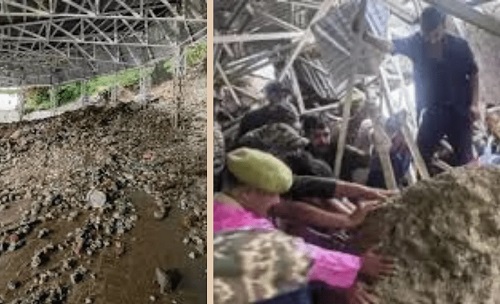
The past week has seen nature’s fury unleashed upon the Jammu division. Torrential rains triggered cloudbursts and flash floods, swelling rivers to dangerous levels, inundating low-lying areas, and triggering landslides that severed critical infrastructure like roads and bridges. The scale of the deluge was historic. The meteorological centre in Srinagar reported that Jammu recorded a staggering 380mm of rainfall in a single 24-hour period—the highest since record-keeping began in the region in 1974.
Despite these explicit and escalating warnings from the India Meteorological Department (IMD), which issued hourly forecasts alerting authorities to the high risks of heavy rain, cloudbursts, flash floods, and landslides, two major pilgrimages—the Machail Mata Yatra in Kishtwar and the Vaishno Devi pilgrimage in Reasi—were not suspended in time.
This delay has been labelled as “criminal neglect” by a senior police officer, who spoke on condition of anonymity. “When the meteorological department had been regularly issuing weather forecasts on an hourly basis... the administration showed ‘criminal neglect’ in not suspending the Machail Mata Yatra and Vaishno Devi pilgrimage,” the officer stated.
The criticism draws a stark contrast with the administration's handling of another major pilgrimage. “If the administration, headed by Lieutenant Governor Manoj Sinha, was prompt in suspending the Amarnath Yatra in view of inclement weather forecasts then not suspending the Mata Machail Yatra in Kishtwar and the Vaishno Devi pilgrimage in time amounts to insensitivity,” the officer added, pointing a finger of blame also at the Shri Mata Vaishno Devi Shrine Board.
The officer directly held the Katra and Padder sub-divisional magistrates and the shrine board responsible for the deaths of 34 pilgrims in the Reasi incident. The tragedy in Kishtwar is even more profound, where at least 65 pilgrims perished and 32 remain missing since a flash flood on August 14. The devastation was not limited to pilgrims; on August 17, a cloudburst in Kathua claimed seven lives, including five minors.
As the region grapples with the aftermath and rescue operations continue, the meteorological department has forecast an improvement in weather conditions, predicting intermittent light to moderate rain with cloudy gaps. However, this promise of clearer skies offers little solace to the families of the victims.
The series of incidents has morphed from a natural disaster into a crisis of governance. It underscores a critical failure in disaster preparedness and risk assessment, highlighting a potentially fatal gap between receiving early warnings and executing decisive action to protect civilian lives. The administration now faces intense scrutiny and demands for accountability, as the public seeks answers on why known dangers were not met with the urgent, preventative measures they so clearly required.




















Leave Your Comment