


The relentless march of *climate change* is reshaping our planet's weather patterns, and India, with its diverse geography, is feeling the brunt of this transformation. A recent study published in the journal *NPJ Natural Hazards* by researchers at *IIT Gandhinagar* has unveiled a grim and urgent reality: the number of regions in India prone to *flash floods* is increasing. This is not merely a statistical anomaly; it is a direct consequence of a warming world and its profound impact on atmospheric and hydrological systems.
The study, a comprehensive analysis of rainfall and flood data, pinpoints several new and expanding flash flood hotspots across the country. Traditionally, flash floods were associated with the steep slopes and intense monsoon rains of the Himalayas. However, the IIT Gandhinagar research has identified the *Western Ghats* and *Central India* as emerging areas of concern. This expansion of vulnerable zones is a critical finding, suggesting that a larger swathe of the population and a greater portion of the country's infrastructure are now at risk.
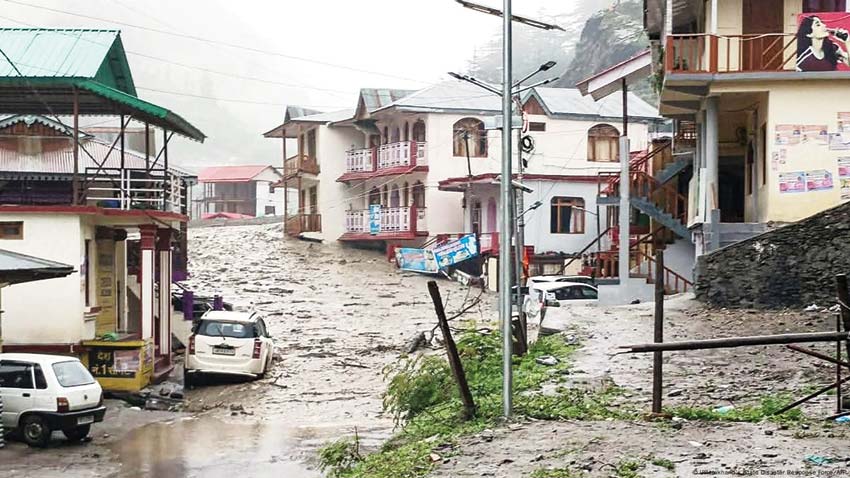
The primary driver behind this escalating threat is the increased frequency and intensity of *extreme rainfall events*. As global temperatures rise, the atmosphere can hold more moisture, leading to what scientists call a "supercharged" water cycle. When this supercharged atmosphere releases its moisture, it often does so in short, violent bursts. These intense downpours, far exceeding the capacity of rivers, streams, and urban drainage systems, are the genesis of flash floods. Unlike riverine floods that develop over days, flash floods can occur in a matter of hours or even minutes, leaving little to no time for preparation or evacuation. The study emphasizes that these events are becoming more common, and their unpredictability poses a significant challenge to disaster management efforts.
Furthermore, the research highlights the interplay between *climate change* and *land-use changes*. Rapid urbanization, deforestation, and the encroachment on natural floodplains exacerbate the problem. The concrete-heavy landscapes of cities, for instance, prevent rainwater from seeping into the ground, a process known as infiltration. Instead, the water rushes across the surface, overwhelming drainage systems and leading to urban flash floods. Deforestation in the hilly regions, particularly in the Western Ghats, strips the land of its natural ability to absorb and regulate water flow, making the slopes more susceptible to landslides and sudden gushes of water.
The societal and economic implications of these findings are staggering. Flash floods can cause immense damage to property, infrastructure, and agriculture. They disrupt essential services, displace communities, and, most tragically, result in loss of life. The study serves as a wake-up call, urging policymakers and planners to move beyond reactive disaster response and adopt proactive, long-term strategies.
Addressing this growing threat requires a multi-pronged approach, integrating both climate adaptation and mitigation strategies. On the mitigation front, global efforts to reduce greenhouse gas emissions are paramount. While the effects of past emissions are already locked in, every degree of warming averted will help to curb the intensity of future extreme weather events.
On the adaptation front, immediate and localized solutions are needed. First and foremost, *early warning systems* must be strengthened and expanded. The study's data on new vulnerable zones should be used to deploy advanced meteorological and hydrological monitoring networks in these regions. These systems should be capable of providing real-time, hyper-local alerts, giving communities a crucial head start to evacuate.
Second, there is a pressing need for *sustainable urban planning and infrastructure development*. Cities must be designed to be more resilient to heavy rainfall. This includes investing in "green infrastructure" such as parks, urban forests, and permeable pavements that can absorb and manage stormwater. The revival of traditional water bodies and the protection of natural floodplains are also essential.
Third, *ecosystem-based solutions* should be prioritized, especially in sensitive regions like the Himalayas and the Western Ghats. Reforestation projects, particularly with native species, can help stabilize slopes, improve soil health, and enhance the land's water retention capacity. These natural solutions are often more cost-effective and sustainable than large-scale engineering projects.
Finally, public awareness and community-level preparedness are key. Educating communities, especially in newly identified flash flood zones, about the risks and how to respond can be life-saving. The IIT Gandhinagar study, therefore, is not just a piece of academic research; it is a vital tool for policymakers, urban planners, and disaster management agencies. It provides a clear, evidence-based roadmap for building a more resilient India in the face of an increasingly volatile climate. The time to act is now, before the next deluge.

By Viral Desai
(The author is a known Environmentalist and the pioneer of Satyagraha Against Pollution movement, viraludayindia@gmail.com )
(The content of this article reflects the views of writers and contributors, not necessarily those of the publisher and editor. All disputes are subject to the exclusive jurisdiction of competent courts and forums in Delhi/New Delhi only)














Leave Your Comment