


Finance Minister Nirmala Sitharaman recently presented the Union Budget for the fiscal year 2024-25, laying out the government's financial roadmap and policy direction for the coming year. This budget, like every year, aims to balance economic growth, social welfare, and fiscal prudence. However, the focus on specific measures and their impact on various segments of the population, particularly the salaried and middle-class, is of significant interest. This article delves into the main features of the budget, evaluates its implications for the salaried and middle-class, and compares the new tax slab with the old one.
The Union Budget 2024-25 has earmarked a substantial portion of funds towards infrastructure development, a move aimed at stimulating economic growth. The budget emphasizes the development of roads, highways, railways, and urban infrastructure projects, which are expected to not only improve connectivity but also generate employment opportunities. In line with global trends, the budget also prioritizes green energy initiatives, with increased investments in solar, wind, and hydroelectric power projects. This focus on renewable energy is intended to position India as a global leader in green energy and reduce dependency on fossil fuels.
For the agriculture and rural sectors, the budget continues to support reforms and initiatives aimed at improving productivity and sustainability. Increased funding has been allocated to crop insurance schemes, irrigation projects, and rural infrastructure. Additionally, the Mahatma Gandhi National Rural Employment Guarantee Act (MGNREGA) has received a higher budgetary allocation to provide more job opportunities in rural areas, helping to alleviate rural unemployment and boost rural incomes.
Healthcare and education are two critical areas that have received significant attention in the budget. There is a substantial increase in healthcare spending, with a focus on improving public healthcare infrastructure, setting up more primary health centers, and enhancing the National Health Mission. These measures aim to provide better healthcare access to the population, particularly in rural and underserved areas. In the education sector, the budget has allocated funds for the establishment of new schools, colleges, and skill development centers. This investment is aimed at improving literacy rates and employability, ensuring that the youth are equipped with the necessary skills for the job market.
Social welfare and women empowerment have also been key focuses of the budget. There is increased funding for various social welfare schemes targeting vulnerable sections of society, including senior citizens, differently-abled individuals, and economically weaker sections. For women empowerment, the budget has introduced new initiatives to support women entrepreneurs, increased funding for women's health and education programs, and measures to enhance women's safety.
Tax reforms and fiscal policies form a significant part of the budget. The introduction of a new tax regime with revised tax slabs aims to simplify the tax structure and provide relief to taxpayers. The new regime offers lower tax rates and is intended to reduce the compliance burden on taxpayers. Additionally, the budget includes indirect tax reforms, such as the rationalization of GST rates on certain goods and services, which is expected to boost consumption and support small businesses.
For the salaried class, the budget offers several benefits. The new tax regime provides revised tax slabs with lower rates, potentially leading to higher disposable income for those opting for the new regime. The standard deduction has been increased, offering additional relief by reducing taxable income. Furthermore, enhanced exemption limits for House Rent Allowance (HRA) and other allowances could benefit those living in rented accommodations. The budget's emphasis on infrastructure and industrial development is also expected to create more job opportunities, potentially benefiting the salaried class by providing better employment prospects.
The middle class, often considered the backbone of the economy, looks for budgetary measures that address their concerns related to taxation, cost of living, and social security. The new tax regime with its lower tax rates and simplified structure aims to reduce the tax burden on the middle class. However, the decision to opt for the new or old regime depends on individual financial situations and preferences. The budget's focus on controlling inflation through various fiscal measures could help stabilize prices of essential goods and services, positively impacting the middle class’s cost of living. Enhanced funding for social welfare schemes and healthcare initiatives provides a safety net for the middle class, ensuring better access to health services and financial security during emergencies.
The budget introduces a new tax regime while retaining the old one, allowing taxpayers to choose between the two. Under the old tax regime, the tax slabs were as follows: up to ₹2.5 lakh: Nil; ₹2.5 lakh to ₹5 lakh: 5per cent; ₹5 lakh to ₹10 lakh: 20per cent; and above ₹10 lakh: 30per cent. Taxpayers could claim various deductions and exemptions, such as Section 80C (up to ₹1.5 lakh), Section 80D (health insurance premiums), HRA, and standard deduction. The new tax regime for FY 2024-25 presents revised slabs: up to ₹3 lakh: Nil; ₹3 lakh to ₹5 lakh: 5per cent; ₹5 lakh to ₹7.5 lakh: 10per cent; ₹7.5 lakh to ₹10 lakh: 15per cent; ₹10 lakh to ₹12.5 lakh: 20per cent; ₹12.5 lakh to ₹15 lakh: 25per cent; and above ₹15 lakh: 30per cent. The new regime does not allow most deductions and exemptions, aiming for a simplified tax structure with lower rates.
Choosing between the new and old tax regimes depends on individual financial situations. The old regime is beneficial for those who have significant investments and expenses qualifying for deductions and exemptions. On the other hand, the new regime is suitable for those preferring a straightforward tax calculation with lower rates and minimal paperwork.
Abolition of Angel Tax: A Watershed Moment for Indian Start-ups

On July 23, 2024, Finance Minister Nirmala Sitharaman presented the Union Budget for the fiscal year 2024-2025 in Parliament. Among various notable measures, the abolition of the Angel Tax stands out as a significant move aimed at fostering a more robust and dynamic start-up ecosystem in India. This decision is expected to bring about substantial changes not only for start-ups but also for the broader Indian economy. Today, we will delve into the concept of the Angel Tax, the reasons for its abolition, the anticipated benefits for start-ups and Indians, the role of start-ups in the Indian market, and other key highlights from the recent budget.
Understanding Angel Tax
The Angel Tax was introduced in 2012 as a measure to curb money laundering through unaccounted-for investments. It refers to the tax levied on the capital raised by unlisted companies through the issuance of shares where the share price is considered to be in excess of the fair market value. This "excess" is treated as income and taxed under the head "Income from Other Sources."
While the intention behind the Angel Tax was to prevent money laundering, it inadvertently created significant hurdles for genuine start-ups. Entrepreneurs often had to deal with complex valuation norms and arbitrary assessments by tax officials, leading to prolonged litigation and financial strain. The tax was seen as a deterrent to attracting investment, especially from angel investors who play a crucial role in providing early-stage funding to start-ups.
Abolition of Angel Tax: A Game-Changer for Start-ups

The abolition of the Angel Tax is expected to make the Indian start up ecosystem more attractive to both domestic and international investors. By removing this tax, the government has eliminated a major pain point that was deterring potential investors from funding start-ups. This is likely to result in an increase in the flow of capital into the start-up sector, enabling start-ups to scale their operations and innovate more freely.
The removal of the Angel Tax sends a positive signal to aspiring entrepreneurs, encouraging them to take the plunge into the start-up world. With fewer regulatory hurdles and a more supportive environment, individuals are more likely to pursue their entrepreneurial ambitions. This could lead to the creation of more start-ups, fostering innovation and generating employment opportunities.
The abolition of the Angel Tax simplifies the taxation process for start-ups. Entrepreneurs can now focus more on growing their businesses rather than dealing with complex tax regulations and disputes. This will lead to a more efficient allocation of resources and a reduction in compliance costs.
Benefits for Indians and the Economy Job Creation
Start-ups are known to be significant job creators. By facilitating the growth of start-ups, the abolition of the Angel Tax is expected to lead to the creation of numerous job opportunities across various sectors. This will contribute to reducing unemployment and improving the standard of living for many Indians.
Economic Growth
A thriving start-up ecosystem can drive economic growth by fostering innovation and competition. Start-ups often introduce disruptive technologies and business models that can transform industries and contribute to productivity gains. As start-ups grow and succeed, they generate wealth, which in turn boosts consumer spending and stimulates economic activity.
Attracting Global Talent
The abolition of the Angel Tax is likely to enhance India's reputation as a favorable destination for start-ups. This can attract not only investment but also global talent. Skilled professionals from around the world may be more inclined to work in India’s vibrant start-up ecosystem, contributing to knowledge transfer and furthering the country's innovation capabilities.
Start-ups: The Backbone of the Indian Market
Innovation and Disruption
Indian start-ups have emerged as key drivers of innovation and disruption across various industries. From fintech and e-commerce to healthtech and edtech, start-ups are leveraging technology to address pressing challenges and create new market opportunities. Their agility and willingness to experiment have positioned them at the forefront of digital transformation in India.
Economic Contribution

Start-ups contribute significantly to the Indian economy. According to various reports, the Indian start-up ecosystem has generated billions of dollars in value and has the potential to reach even greater heights. Successful start-ups often grow into large companies, contributing to GDP growth, generating tax revenues, and attracting foreign direct investment.
Social Impact

Many Indian start-ups are focused on addressing social and environmental issues. For instance, start-ups in the renewable energy sector are working towards sustainable solutions, while those in the healthcare sector are improving access to quality medical services. By tackling these issues, start-ups are playing a crucial role in driving positive social change and improving the quality of life for millions of Indians.
Other Key Highlights of the Budget
Focus on Infrastructure Development
The budget has allocated significant funds for infrastructure development, including roads, railways, and urban infrastructure. This is expected to boost economic activity, create jobs, and improve connectivity across the country.
Incentives for Manufacturing
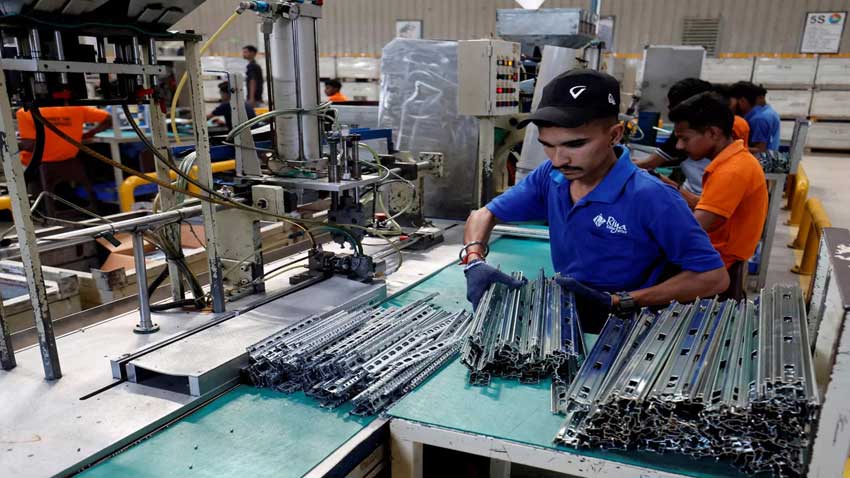
To further strengthen the ‘Make in India’ initiative, the budget includes various incentives for the manufacturing sector. This includes tax breaks and subsidies aimed at encouraging domestic production and reducing reliance on imports.
Support for Agriculture

Recognizing the importance of the agricultural sector, the budget has earmarked substantial funds for agricultural infrastructure, irrigation projects, and farmer welfare schemes. This is expected to improve productivity and income levels for farmers.
Healthcare and Education

The budget also places a strong emphasis on healthcare and education. Increased funding for healthcare infrastructure, medical research, and educational institutions is aimed at improving access to quality healthcare and education for all citizens.
Digital India Initiatives
In line with the vision of a digitally empowered India, the budget includes measures to promote digital infrastructure, cybersecurity, and digital literacy. This is expected to accelerate the digital transformation of the economy and enhance the delivery of public services.
Conclusion
The abolition of the Angel Tax marks a significant milestone for the Indian start-up ecosystem. By removing a major barrier to investment, the government has created a more conducive environment for start-ups to thrive. This move is expected to drive innovation, create jobs, and contribute to economic growth. Coupled with other progressive measures in the budget, such as infrastructure development, incentives for manufacturing, support for agriculture, and investments in healthcare and education, the abolition of the Angel Tax reflects the government’s commitment to fostering a vibrant and inclusive economy. As start-ups continue to emerge as the backbone of the Indian market, the benefits of these reforms will be felt across the entire spectrum of society, paving the way for a prosperous and dynamic future for India.
The Union Budget 2024-25 presents a mixed bag for the salaried and middle-class segments. On the positive side, the new tax regime with revised slabs provides an option for lower taxes, the increased standard deduction and enhanced allowances offer additional relief, and the focus on employment generation and infrastructure development promises better job prospects and economic growth. However, there are concerns as well. The new tax regime’s lack of deductions and exemptions may not suit everyone, particularly those with high investment in tax-saving instruments. Additionally, the middle class might feel the pinch if inflation control measures do not effectively stabilize prices.
Overall, the budget aims to balance economic growth with social welfare, providing opportunities for both the salaried and middle-class to benefit. However, the actual impact will depend on how effectively the proposed measures are implemented and how individuals adapt to the new tax regime.
(The content of this article reflects the views of writers and contributors, not necessarily those of the publisher and editor. All disputes are subject to the exclusive jurisdiction of competent courts and forums in Delhi/New Delhi only)

By NILABH KRISHNA















Leave Your Comment