


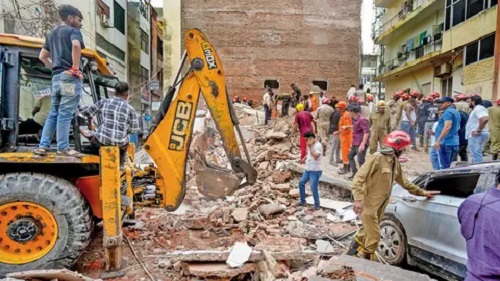
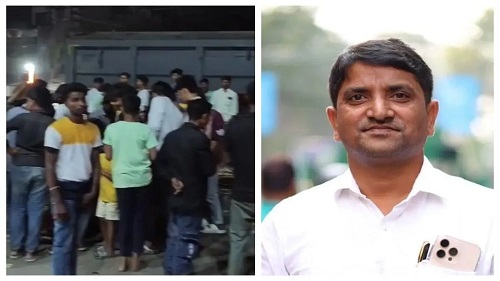
A fresh building collapse in the national capital has once again brought the safety of residential structures in Delhi under scrutiny. A two-storey building collapsed in east Delhi's Vivek Vihar on Tuesday morning, killing a man and a child, while around eight people are suspected to remain trapped beneath the rubble. Rescue teams have rushed to the spot and are conducting a search operation to locate survivors and pull them out of the debris.
The tragedy has once again highlighted the recurring problem of unsafe buildings in Delhi, where ageing structures, questionable construction practices and alleged violations of building regulations continue to pose serious risks to residents. The latest incident is particularly disturbing because it comes amid a series of building-related disasters in the capital, raising questions about whether existing safety inspections and enforcement mechanisms are adequate to prevent such tragedies.
A similar incident took place in September in south Delhi's Satya Niketan, where a six-storey building being used as a paying guest accommodation collapsed, killing five students and two other people. The building was located close to a Delhi University college, making the incident particularly alarming for students and residents living in the neighbourhood.
The subsequent investigation reportedly revealed that the old structure had been illegally expanded to five floors without an approved building plan. The findings exposed serious concerns about unauthorised construction and the failure to ensure compliance with building regulations. Such violations can compromise structural stability and put the lives of occupants and neighbouring residents at risk.
The recurrence of these incidents points towards a larger civic and administrative challenge. Delhi's rapidly expanding urban landscape has placed enormous pressure on its housing infrastructure, but construction growth cannot come at the cost of human safety. Buildings must meet structural standards, and unauthorised additions or modifications need to be identified and dealt with before they turn into life-threatening hazards.


















Leave Your Comment