


As tensions continue to surge across the Middle East, the United Arab Emirates is reportedly preparing to take an unprecedented step—joining a potential military effort to forcibly reopen the critical Strait of Hormuz. According to a report by The Wall Street Journal, the UAE is actively engaging with global powers to build support for such an operation following repeated attacks attributed to Iran.
If carried out, the move would mark the first time a Persian Gulf nation directly becomes a combatant in the ongoing crisis, significantly escalating the geopolitical stakes. UAE officials are reportedly lobbying for a resolution at the United Nations Security Council that would authorize collective military action to ensure the reopening of the vital maritime corridor.
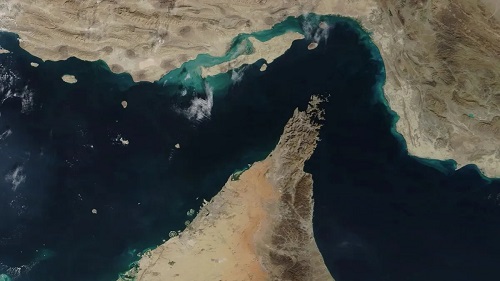
Diplomatic efforts by the UAE extend beyond the UN, with officials urging the United States and allied nations across Europe and Asia to form a multinational coalition. The goal: to secure and reopen the Strait of Hormuz, a chokepoint through which nearly 20% of the world’s oil and liquefied natural gas supplies pass.
According to regional sources, UAE leadership believes Iran views the conflict as existential, increasing the likelihood that Tehran may attempt to disrupt global trade by blocking or targeting vessels in the strait. Such actions could have far-reaching economic consequences, potentially destabilizing global markets.
Amid these developments, Donald Trump has taken a notably critical stance toward traditional US allies. Addressing reporters, Trump urged nations dependent on the Strait of Hormuz to take greater responsibility for its security.
“Go get your own oil,” Trump remarked, suggesting that safeguarding the strait is no longer a primary responsibility of the United States. He added that American military involvement in the region could scale down within two to three weeks. His comments came shortly after signing an executive order related to domestic voting policies, but they carried significant implications for global security dynamics.
The intensifying conflict has already begun to ripple through global energy markets. The Strait of Hormuz remains partially restricted, causing supply disruptions and fueling fears of inflation worldwide. In the United States, average gasoline prices have surged past USD 4 per gallon, reflecting the mounting pressure on energy supplies.
The situation worsened following US airstrikes on the Iranian city of Isfahan, which reportedly triggered massive explosions. In retaliation, Iranian forces targeted a fully loaded Kuwaiti oil tanker in the Persian Gulf, further escalating hostilities.
Among regional players, the UAE has faced some of the most intense fallout from Iranian retaliation. Reports indicate that it has been targeted more frequently than even Israel during the ongoing conflict, underscoring its vulnerable position despite its strategic alliances.
As the crisis deepens, the UAE’s push for a coordinated military response signals a turning point in the conflict—one that could reshape alliances, redefine security responsibilities, and potentially draw more nations into direct confrontation.

















Leave Your Comment