


India’s soul resides in its agricultural traditions and rich cultural heritage. This land is not just of food-giving farmers, but also a proud flagbearer of the glorious traditions of cow service (go-seva) and nature worship. The ethos of Bharat has always been rooted in reverence for nature, animals, and the land that nourishes life.
In the 1960s, when the United States threatened to stop food aid to India, the then Prime Minister Lal Bahadur Shastri took a bold step. He gave the iconic slogan, “Jai Jawan, Jai Kisan”, honouring both soldiers and farmers, and appealed to citizens to observe fasts on Mondays to manage the crisis. This national resolve laid the foundation for self-reliance.
Soon after, during the tenure of Prime Minister Indira Gandhi, India witnessed the Green Revolution. It transformed the nation into a self-sufficient producer of food grains. However, this achievement came at a cost. The heavy use of chemical fertilizers and pesticides turned fertile lands into toxic zones. Soil, water, and crops became polluted, and alarming traces of harmful chemicals like DDT were even found in mother’s milk.
In Indian tradition, the cow holds a place of deep reverence. From Lord Krishna, the divine cowherd, to Lord Rama, who upheld dharma, cow service has always been associated with spiritual and cultural values. The cow is not only a symbol of religious faith but also the backbone of organic agriculture.
Sadly, the very cows once considered family members are now being sent to slaughterhouses. This contradiction reflects a moral decline—on one hand, we worship the cow, on the other, we neglect our duties towards her.
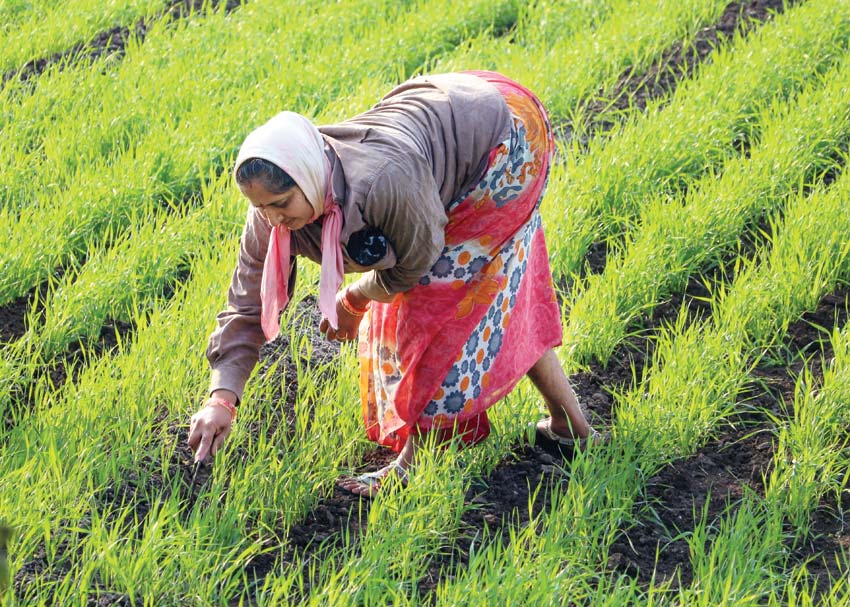
It is time to revive our traditional practices and return to natural and organic farming. Cow dung and cow urine are among the best organic fertilizers, enriching the soil and protecting the environment. They promote sustainable agriculture, which is in harmony with both ecology and economy.
The Vedas and the Bhagavad Gita describe agriculture, cow service, and nature worship as the pillars of human welfare. Agriculture in India was never seen as a mere profession—it was a sacred duty, a form of worship, and a way of living in balance with nature.
Today, there is an urgent need to reintroduce cows into our homes and communities, just as it was in the past. Every household should ideally have a gaushala (cow shelter), and society as a whole must take collective responsibility for cow protection.
The government’s initiative of the Soil Health Card, launched by Prime Minister Narendra Modi, is a commendable step in the right direction. It enables farmers to assess soil quality and choose the right crops accordingly, reducing dependence on chemicals and improving yields sustainably.
If we continue to ignore agriculture, cow service, and nature, we risk turning our fertile lands barren, making future generations sick, and losing our cultural identity. The need of the hour is a return to our roots—where food was considered a sacred offering, the cow was revered as a mother, and agriculture was viewed as a sacred responsibility.
This is not just about saving our environment or improving farming. It is about reviving the soul of India—the timeless spirit that connects people to the land, animals to humans, and prosperity to purity.

By Pratap Chandra Sarangi
Mp, lok sabha
(The article is based on the speech delivered by the writer at Virgin Land Security Summit 2025, held in New Delhi.)





















Leave Your Comment