


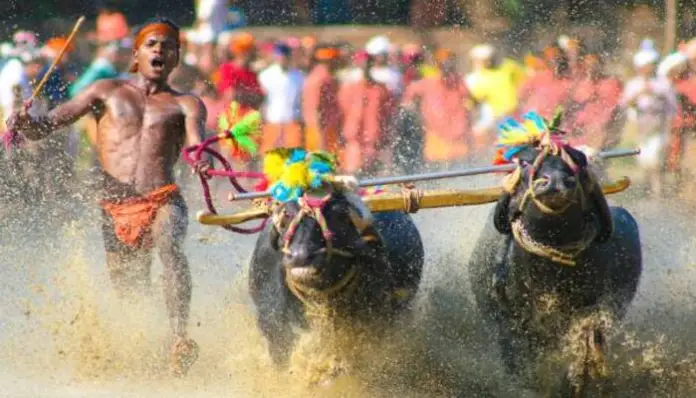
The buffalo race, a traditional sport deeply rooted in the cultural heritage of Karnataka, India, has come under intense scrutiny from animal rights activists in recent years. The event, known as Kambala, involves pairs of buffaloes racing through muddy tracks, guided by their owners perched on wooden planks attached to their backs. While proponents of Kambala defend it as an integral part of their identity and a celebration of their agricultural heritage, animal rights groups argue that it inflicts unnecessary pain and suffering on the animals. This article delves into the complexities surrounding the buffalo race, examining the cultural significance, animal welfare concerns, and legal implications of this controversial tradition.
Cultural Significance of Kambala
Kambala, originating from the coastal Karnataka region of Tulunadu, is deeply intertwined with the cultural fabric of the Tulu-speaking community. It is not merely a sport but a celebration of their agricultural roots, a testament to the bond between humans and their buffaloes. The races are a spectacle of speed, agility, and skill, attracting large crowds of spectators who cheer on their favorite pairs. Kambala is also a social event, bringing together families and communities, fostering a sense of belonging and cultural pride.
Animal Welfare Concerns
Animal rights activists have raised concerns over the treatment of buffaloes during Kambala. They argue that the forceful racing, the wooden planks attached to their backs, and the use of sticks to prod them can cause pain, stress, and even physical injuries. The muddy tracks, often filled with water and cow dung, can also lead to skin irritation and infections. Critics contend that these practices violate the animals' basic right to freedom from cruelty and suffering.
Legal Implications
The debate over Kambala has reached the Supreme Court of India, which has issued several rulings on the issue. In 2014, the court banned Jallikattu, a similar bull-racing sport in Tamil Nadu, citing animal cruelty. However, Kambala was exempted from the ban, with the court acknowledging its cultural significance. However, the court imposed stricter regulations, including a ban on the use of wooden planks and the use of sticks to prod the animals.
The Social Relevance of Such Festivals
Cultural festivals like Kambala play a significant role in preserving traditions, strengthening social bonds, and fostering a sense of cultural identity. They provide a platform for communities to celebrate their heritage, pass on traditions to younger generations, and showcase their unique cultural practices to the wider world. These festivals also serve as economic drivers, attracting tourists, generating revenue, and supporting local businesses.
Importance of Organizing Cultural Festivals
Organizing cultural festivals like Kambala is crucial for preserving and promoting cultural heritage. These festivals provide a platform for communities to express their identity, share their traditions, and connect with their roots. They also serve as educational opportunities, allowing individuals to learn about their cultural heritage and appreciate the diversity of human cultures. Moreover, these festivals contribute to social cohesion and economic development.
Criticisms of Cultural Festivals
Cultural festivals can sometimes face criticism for perpetuating gender stereotypes, promoting harmful practices, or excluding certain groups from participation. It is important to critically examine cultural practices to ensure that they align with ethical values and respect human rights. Organizers of cultural festivals should be mindful of these concerns and strive to create inclusive and respectful environments.
Judicial Acts Related to Cultural Festivals
The judiciary plays a crucial role in balancing cultural rights with animal welfare concerns. Courts have intervened in cases where cultural practices involve animal cruelty, issuing guidelines and regulations to protect animal rights while acknowledging the importance of cultural traditions. The judicial system strives to strike a balance between protecting cultural heritage and upholding ethical principles.
Here, it is apt to conclude that the buffalo race, or Kambala, stands at the crossroads of cultural tradition and animal welfare concerns. While it holds deep significance for the Tulu-speaking community, animal rights activists raise valid concerns about the treatment of buffaloes during the races. The challenge lies in finding a balance between preserving cultural heritage and ensuring animal welfare. A solution may involve modifying the sport to minimize animal suffering while respecting the cultural importance of Kambala. Open dialogue, mutual respect, and a willingness to adapt traditions can help pave the way for a harmonious coexistence between cultural practices and animal welfare.






















Leave Your Comment