


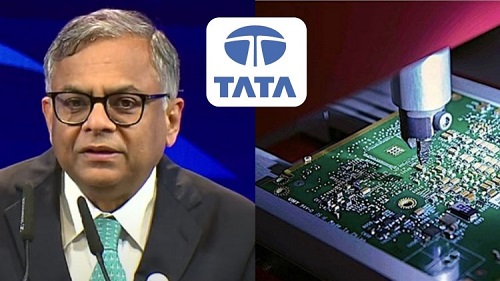
In a landmark moment for India's technological landscape, Tata Sons Chairman Natarajan Chandrasekaran announced the laying of the foundation stones for three semiconductor facilities in Gujarat and Assam earlier today. This significant step marks the inception of India's first semiconductor fabrication (fab) unit and indigenous assembly unit, heralding a new era of innovation and self-reliance in the semiconductor industry within the nation.
Chandrasekaran emphasized the gravity of the occasion, stating, "It is a very important day and a pivotal moment." Indeed, the establishment of these semiconductor facilities is poised to reshape India's technological trajectory and bolster its position in the global semiconductor market.
The significance of semiconductor technology cannot be overstated in the digital age. From smartphones to automobiles, from artificial intelligence to renewable energy systems, semiconductors serve as the bedrock of modern technology. By venturing into semiconductor manufacturing, India takes a crucial stride towards reducing its dependency on imports and securing a strategic foothold in this critical sector.
The choice of locations for these facilities, Gujarat and Assam, underscores Tata Group's commitment to inclusive growth and regional development. While Gujarat is already recognized as an industrial powerhouse, Assam's inclusion in this initiative signifies a concerted effort to bring technological advancement to India's northeastern regions. The establishment of these facilities is not merely about economic growth but also about empowering local communities and bridging regional disparities.
Chandrasekaran's assertion that "Semiconductor is fundamentally required for anything digital" encapsulates the pivotal role these facilities will play in India's digital transformation journey. By laying the groundwork for semiconductor production within the country, Tata Group paves the way for enhanced technological capabilities, job creation, and economic prosperity.
The aspiration to transform India into a semiconductor nation is not merely a lofty ambition but a pragmatic goal with far-reaching implications. A robust semiconductor ecosystem not only fuels innovation across industries but also creates a ripple effect, spurring the growth of ancillary sectors and nurturing a culture of research and development.
The announcement that the group aims to produce chips by the latter part of 2026 reflects Tata Group's steadfast commitment to timelines and underscores its confidence in the project's success. Such clarity and ambition are essential in driving large-scale industrial initiatives and instilling confidence among stakeholders.
As India gears up to become a global hub for semiconductor manufacturing, collaboration between the government, private sector, academia, and research institutions will be paramount. Initiatives such as the semiconductor facilities launched by Tata Group serve as catalysts for collaboration, fostering synergies that propel India towards technological self-sufficiency and global competitiveness.


















.jpg)


Leave Your Comment