


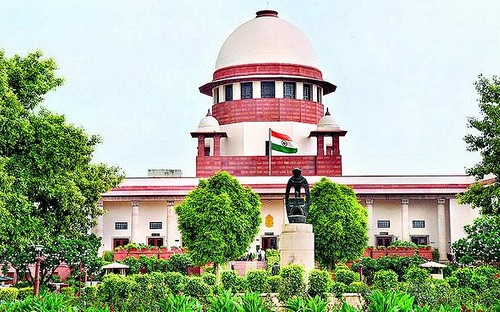
The Supreme Court has asked the 19 States and Union Territories that have not yet done so to consider declaring cancer a “notifiable disease” to strengthen early detection, monitoring and access to appropriate treatment.
A bench headed by Chief Justice of India Surya Kant issued the direction on Tuesday after being informed that 17 of the country’s 36 States and Union Territories have already notified cancer as a notifiable disease. The move follows recommendations made by a Parliamentary Standing Committee, which had stressed the need for stronger systems to track cancer cases and improve patient care.
The court had earlier issued notices to the Centre as well as all States and Union Territories on a Public Interest Litigation (PIL) seeking a direction to make cancer a notifiable disease across the country.
During the proceedings, the Centre pointed out that health is a State subject and informed the court that 17 States had already taken steps to notify cancer. The Supreme Court subsequently asked the remaining States and Union Territories to examine the recommendations and take appropriate decisions.
The court has also directed the concerned States and Union Territories to submit compliance affidavits detailing the action taken on the issue. The direction is aimed at ensuring that the matter receives due consideration across the country rather than remaining limited to States that have already introduced notification mechanisms.
Declaring cancer a notifiable disease can help authorities build more reliable and comprehensive data on cancer incidence, identify emerging trends and strengthen public health planning. Better reporting can also assist governments in assessing the availability of healthcare facilities, medicines, specialists and other resources required for cancer treatment.
The Supreme Court has further sought measures to ensure the implementation of cancer screening programmes across the country. Early screening is considered crucial in detecting several forms of cancer at an earlier stage, when treatment can be more effective and outcomes may improve.
The court’s intervention comes amid the need for a more coordinated national approach towards cancer prevention, detection and treatment. While cancer care involves multiple aspects, including awareness, screening, diagnosis and treatment, systematic reporting of cases can provide policymakers with important information for planning healthcare interventions.
With 17 States and Union Territories having already notified cancer, the Supreme Court’s latest direction places the focus on the remaining 19 jurisdictions. Their decisions and compliance reports are expected to indicate how far the recommendations have been implemented and what further steps are required to strengthen cancer surveillance and screening nationwide.



















Leave Your Comment