


In a dramatic turn of events, the Enforcement Directorate (ED) has alleged that senior Congress leaders orchestrated a series of fraudulent transactions aimed at benefiting Associated Journals Limited (AJL), the company linked to Sonia Gandhi and Rahul Gandhi. These claims, presented before a Delhi court by Additional Solicitor General V Raju, shed light on what the ED describes as 'fake transactions' and 'proceeds of crime.'
According to the ED, the crux of the allegations revolves around fabricated rent payments and misdirected advertising funds. Raju asserted that individuals connected to AJL, under the purported direction of high-ranking Congress figures, orchestrated deceptive advance rent payments over several years. These transactions, allegedly existing only on paper, were used to funnel funds into AJL.
Further complicating the matter, the ED highlighted suspicious share transactions involving figures like Suman Dubey and Oscar Fernandes. The agency claimed that shares were transferred between these individuals and the Gandhis, only to be returned later, with no substantive economic basis. Such maneuvers, the ED argues, constitute 'fake transactions' aimed at consolidating control over AJL's assets.
The ED's classification of these transactions as 'proceeds of crime' (POC) carries significant legal ramifications. During court proceedings, the ED clarified its stance that any asset obtained through fraudulent means qualifies as POC under prevailing laws. However, the court raised concerns regarding the clarity of these classifications, particularly in distinguishing between different types of financial contributions.
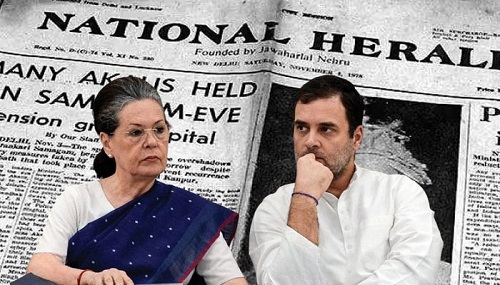
The National Herald, initially launched in 1938 by Jawaharlal Nehru and other freedom fighters, served as a prominent voice within the Indian National Congress. Over the years, it evolved into a pivotal mouthpiece for the party. However, financial difficulties led to its closure in 2008, amidst debts exceeding Rs 90 crore.
The legal saga surrounding the National Herald gained momentum in 2012 when Subramanian Swamy, a BJP leader and lawyer, lodged a complaint alleging cheating and breach of trust. Swamy accused certain Congress leaders of orchestrating an unlawful takeover of AJL's assets through Young Indian Ltd, terming it a 'malicious' acquisition.
As the ED continues its investigation, it intends to include further details in a supplementary chargesheet. This ongoing probe aims to delineate more clearly what constitutes POC in the context of AJL's financial dealings. The court proceedings underscore the complexity and gravity of the allegations, as well as the potential implications for individuals involved.
In conclusion, the unfolding developments in the National Herald case highlight a contentious legal battle intertwined with political ramifications, shaping the landscape of accountability and transparency in Indian corporate governance and political ethics.




















Leave Your Comment