


The Narendra Modi government has placed the development of the Northeast at the centre of its national growth strategy, with infrastructure expansion, employment generation and improved living standards emerging as key priorities. Underscoring this commitment, Union Home Minister Amit Shah has announced a series of development initiatives worth more than Rs 5,610 crore in Arunachal Pradesh, highlighting the Centre's determination to transform border regions into vibrant centres of economic activity. From strengthening rural connectivity and electricity infrastructure to improving education, healthcare and security, the initiatives reflect a comprehensive approach towards integrating the strategically important Northeast more closely with the country's development journey.
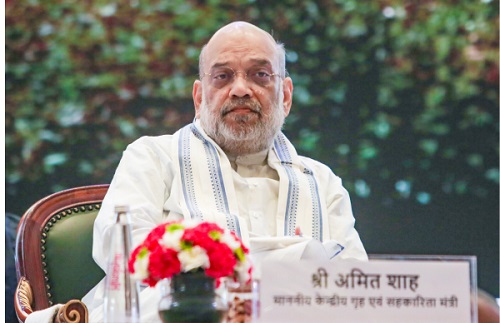
Addressing an event in Arunachal Pradesh, Amit Shah said that the development of the Northeast and the creation of employment opportunities for its youth remain among the foremost priorities of the Modi government. He emphasised that the Centre is committed to building robust infrastructure and ensuring that people living in remote and border areas have access to essential facilities. Particular attention, he said, is being given to villages situated along India's international borders, which are important not only from a security perspective but also for the country's overall development.
Highlighting the significance of the Vibrant Villages Programme (VVP), Shah said the government has fundamentally changed the way India looks at its border settlements. Instead of treating them as the country's last villages, the government now considers them its first villages. The shift, he explained, reflects a broader vision in which border communities become active participants in national development rather than remaining isolated because of geographical constraints. He recalled that the programme was initially implemented in villages of Arunachal Pradesh situated along the China border. Underlining the importance of healthcare delivery in these remote locations, Shah also pointed to the deployment of Mobile Medical Units across 11 border districts. These units are equipped with telemedicine facilities, AI-based portable tuberculosis screening systems, digital X-ray machines, ECG equipment and modern laboratories, enabling residents to access essential medical services closer to their homes.
The Home Minister also highlighted the substantial improvement in connectivity across the Northeast during the past 12 years. He said the capitals of the region's states are now connected through rail and air services, while investments in roads, railways, aviation and waterways are steadily improving accessibility. Better connectivity, he stressed, is essential for accelerating economic activity, attracting investment, expanding tourism and creating new employment opportunities for local communities. He also called upon Arunachal Pradesh to pursue greater economic self-reliance by strengthening local production of milk, eggs, meat and fish. According to Shah, developing these sectors would help reduce dependence on supplies from outside the state, generate livelihoods and strengthen the rural economy.
The development initiatives launched during the visit include Mission Shikshit Arunachal – Phase II, the Chief Minister's Comprehensive State Power Development Programme and the Chief Minister's Comprehensive State Rural Road Development Programme. Together, these projects are aimed at addressing critical requirements in education, electricity and rural infrastructure. Additionally, 199 projects under the Vibrant Villages Programme are being undertaken across 11 border districts, reinforcing the government's focus on improving facilities and economic opportunities in strategically located settlements. Shah also launched Mission SURAKSHA, adding another component to the package of initiatives.
The scale and diversity of these projects underline the Centre's approach of combining infrastructure development with social welfare and economic empowerment. For a geographically challenging state like Arunachal Pradesh, better roads, reliable electricity, accessible healthcare and quality education can have a transformative impact on everyday life. The emphasis on local agricultural and livestock production further indicates an effort to ensure that development translates into sustainable livelihoods rather than remaining confined to infrastructure creation.
The larger objective, Shah's message suggested, is to ensure that the Northeast becomes an integral driver of India's growth story. By connecting remote villages, strengthening public services and creating opportunities for young people, the government is seeking to turn geographical isolation into economic potential. The transformation of border villages into development hubs could also strengthen national security by encouraging economic activity, improving connectivity and supporting the communities that live along India's international frontiers.






















Leave Your Comment