



Deepak Kumar Rath
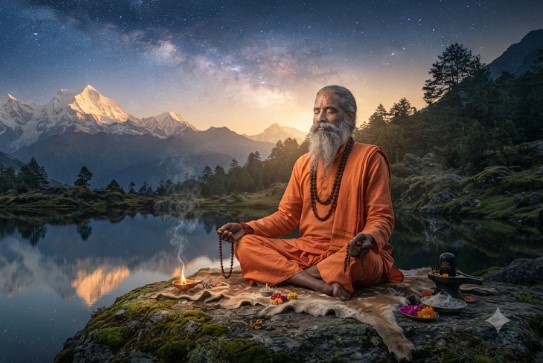
India's identity is deeply connected with its ancient civilisation, Hindu traditions and the values of Sanatan Dharma. For thousands of years, these traditions have shaped the country's culture, society, festivals, philosophy and way of life. However, in recent years, Hinduism and India's civilisational heritage have increasingly become targets of criticism, controversy and organised campaigns, both within the country and abroad. The challenge is not simply about religion but also about how India understands its history, culture and identity. Sanatan Dharma is much more than a set of religious beliefs. It represents a way of life that teaches respect for nature, tolerance, peace, duty and the welfare of all. Its ideas, such as Vasudhaiva Kutumbakam (the world is one family) and Sarve Bhavantu Sukhinah (may everyone be happy), carry universal messages. Yet, some sections of public debate focus only on the negative aspects of Hindu society, such as caste discrimination and social inequalities, while ignoring its rich philosophical traditions, reform movements and contributions to knowledge, art and culture. There is no denying that social problems must be recognised and corrected. But judging an entire civilisation only by its shortcomings is neither fair nor historically balanced. Similarly, Hindu customs, festivals, symbols and religious practices are sometimes presented through misleading explanations or taken out of their original context. Such selective interpretations can create wrong impressions about a tradition that has survived centuries of change and challenges.
The challenge is not limited to India. In some international media, academic and political circles, Sanatan Dharma is often discussed through narrow viewpoints that do not fully understand its history and diversity. At times, India's ancient traditions are judged using ideas borrowed from other societies, without understanding their cultural and spiritual meaning. Within India, political differences and ideological battles have also turned Hindu identity into a subject of constant controversy. Social media has made the situation more complicated, as misleading information, selective historical accounts and provocative messages spread quickly. There are also organised groups and networks that use such issues to create divisions and weaken India's cultural confidence. However, defending Hinduism should not mean opposing every criticism or refusing to accept the need for change. Every society must be willing to correct its mistakes. The real need is to distinguish between genuine criticism and deliberate attempts to insult, misrepresent or undermine an entire civilisation. India must respond through better education, honest research, awareness of its history and effective presentation of its cultural heritage. Scholars, educational institutions, cultural organisations and responsible citizens all have a role to play in this effort. Sanatan Dharma has survived for thousands of years because it has the ability to question, adapt and renew itself. Protecting this heritage is not about looking backwards or creating divisions. It is about understanding India's roots, respecting its traditions and passing its civilisational values to future generations with confidence.



















Leave Your Comment