


In a breakthrough development, researchers at the Indian Institute of Technology (IIT) Mandi have devised a novel device capable of detecting diabetes through breath analysis, eliminating the need for invasive blood sampling. This innovation promises a significant advancement in diabetes diagnosis, potentially revolutionizing the way this prevalent condition is managed worldwide.
Traditionally, the diagnosis of diabetes has relied heavily on blood tests, which can be uncomfortable, inconvenient, and occasionally painful for patients. However, the advent of this new technology opens up the possibility of non-invasive testing, marking a significant step forward in healthcare accessibility and patient comfort.
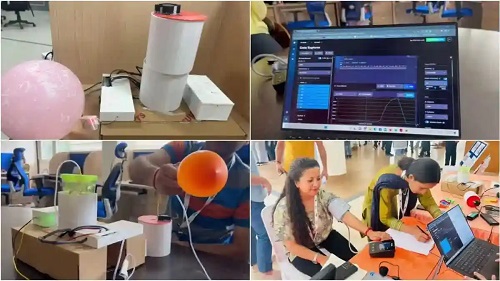
The device, conceptualized and developed by a team of diligent researchers at IIT Mandi, utilizes advanced sensor technology to detect biomarkers indicative of diabetes in a person's breath. By analyzing specific volatile organic compounds (VOCs) present in exhaled breath, the device can accurately determine whether an individual has elevated blood sugar levels, thus indicating the presence of diabetes.
What sets this innovation apart is its simplicity and ease of use: Patients merely need to breathe into the device, and within a short span of time, they can receive reliable results regarding their diabetes status. This streamlined process not only reduces the inconvenience associated with traditional testing methods but also enables quicker diagnosis, facilitating prompt medical intervention and treatment.
Moreover, the non-invasive nature of this technology holds immense promise for enhancing diabetes screening efforts, particularly in resource-constrained settings where access to healthcare facilities and skilled personnel may be limited. By eliminating the need for specialized equipment and trained professionals, the device could potentially be deployed in community health centers, pharmacies, or even homes, thereby reaching a broader segment of the population and enabling early detection of diabetes.
The implications of this innovation extend beyond diagnosis alone. Early detection plays a crucial role in preventing the progression of diabetes and mitigating its associated complications, such as cardiovascular disease, kidney failure, and vision impairment. By enabling timely intervention, the device has the potential to significantly improve health outcomes for individuals at risk of or living with diabetes.
Furthermore, the development of this technology underscores the pivotal role of research institutions like IIT Mandi in driving scientific innovation and addressing pressing healthcare challenges. Through interdisciplinary collaboration and relentless pursuit of knowledge, researchers have successfully translated their expertise into tangible solutions with real-world impact, reaffirming the importance of investment in scientific research and development.
As the prevalence of diabetes continues to rise globally, with millions of individuals affected by this chronic condition, the need for innovative approaches to diagnosis and management becomes increasingly urgent. The groundbreaking work carried out by the researchers at IIT Mandi exemplifies the power of innovation in healthcare, offering hope for more effective and patient-friendly solutions in the fight against diabetes.
In conclusion, the development of a non-invasive device for diabetes detection represents a significant milestone in the field of healthcare technology. By harnessing the power of breath analysis, researchers have paved the way for a more accessible, convenient, and timely approach to diagnosing diabetes, with far-reaching implications for public health and patient care. As this technology progresses towards widespread implementation, it holds the promise of transforming the landscape of diabetes management, ultimately improving the lives of millions around the world.





















Leave Your Comment