


The Reserve Bank of India (RBI) has retained the repo rate at 5.25 per cent while maintaining its neutral monetary policy stance, expressing confidence in the country's economic resilience by raising its GDP growth forecast for the current financial year to 6.7 per cent. At the same time, the central bank lowered its inflation projection, reflecting easing price pressures and a strengthening macroeconomic outlook.
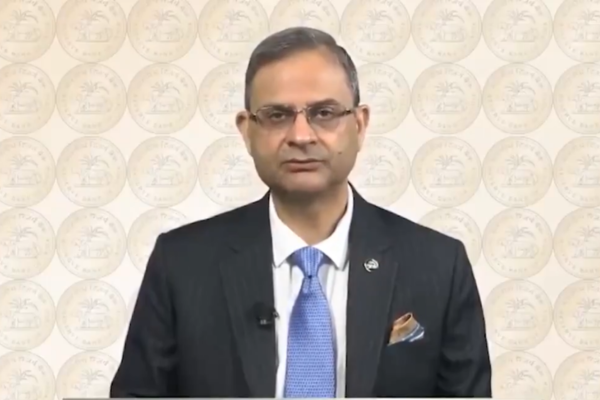
Announcing the Monetary Policy Committee’s (MPC) decision, RBI Governor Sanjay Malhotra said the Indian economy continues to remain the world’s fastest-growing major economy, supported by resilient domestic demand, robust exports and steady investment activity. He noted that economic performance during the April-June quarter of the current financial year exceeded expectations, prompting the central bank to revise its real GDP growth projection upward to 6.7 per cent for 2026-27.
The RBI decided to leave the repo rate unchanged at 5.25 per cent while retaining a neutral stance. The repo rate is the interest rate at which the RBI lends short-term funds to commercial banks against government securities and serves as a key tool for influencing borrowing costs and liquidity in the financial system.
In a positive development for consumers and businesses, the central bank lowered its Consumer Price Index (CPI) inflation forecast for the financial year 2026-27 to 5 per cent from the earlier estimate of 5.1 per cent. Governor Malhotra attributed the recent increase in inflation primarily to food and fuel prices rather than broad-based demand pressures, suggesting that underlying inflationary trends remain under control.
The RBI’s latest assessment paints an optimistic picture of the domestic economy despite ongoing global uncertainties. The central bank said strong exports, continued investment momentum and easing supply-side disruptions have significantly improved India’s macroeconomic outlook. It believes these factors will help sustain growth while keeping inflation within manageable levels.
However, the Governor cautioned that external risks continue to persist. He highlighted that the ongoing conflict in West Asia remains a significant concern for the global economy, disrupting key trade routes and creating uncertainties in international markets. Such geopolitical developments, he said, could impact global trade, energy prices and overall economic stability.
On the external sector, the RBI reported encouraging trends. Foreign direct investment (FDI) inflows have remained robust, reflecting continued investor confidence in the Indian economy. Additionally, foreign portfolio investment (FPI) has witnessed a turnaround in recent months after periods of volatility, providing further support to financial markets.
Governor Malhotra also underlined the strength of India's external buffers. The country's foreign exchange reserves stand at nearly 693 billion US dollars, providing an import cover of more than ten months. These comfortable reserve levels are expected to help shield the economy from external shocks and maintain financial stability amid global market fluctuations.
The RBI’s latest policy decision signals confidence in India's growth trajectory while balancing the need to keep inflation under control. By maintaining interest rates, revising growth expectations upward and lowering its inflation forecast, the central bank has reinforced its view that the Indian economy is well-positioned to navigate global challenges while sustaining strong domestic momentum.




















Leave Your Comment