


The Aam Aadmi Party (AAP) is facing fresh political turbulence in Punjab ahead of the 2027 Assembly elections, with Amritsar North MLA Kunwar Vijay Pratap Singh resigning from his seat. His decision follows the departure of two other party legislators, adding to the challenges confronting the ruling party as it prepares for the next electoral battle. The successive resignations have also brought renewed attention to concerns over governance, the drug menace, corruption and the implementation of key promises made by the AAP government.
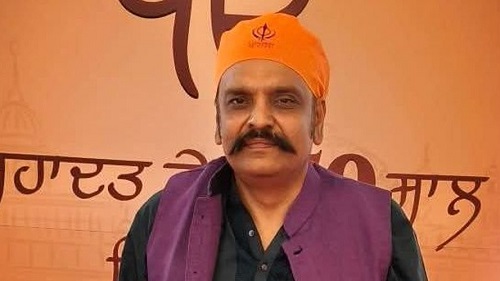
Kunwar Vijay Pratap Singh, a former Indian Police Service (IPS) officer who entered politics after leaving the service ahead of the previous Assembly elections, announced his resignation in a post on social media platform X. Addressing the people of Amritsar, he expressed gratitude for their support and said he would remain indebted to them throughout his life. His departure marks another setback for the party at a time when it is beginning preparations for the 2027 Punjab Assembly polls.
In his message, the legislator maintained that he had fulfilled 90 per cent of the targets associated with his responsibilities as an MLA. He also called for a collective effort to address Punjab's persistent problems, arguing that the state needed to move beyond narrow political interests and symbolic development activities.
Singh identified drugs, extortion, gangsterism and corruption as major challenges threatening Punjab's progress. His remarks underline the continuing importance of these issues in the state's political discourse, particularly as parties begin positioning themselves for the next election. The AAP government had campaigned on promises of cleaner governance and improvements in public services, making its record on these issues a significant part of the political debate.
The Amritsar North MLA also highlighted his efforts to challenge what he described as the traditional feudal, patron-client model of politics in his constituency. He claimed to have consistently raised local concerns, including water supply, sewage management, deteriorating drains and civic infrastructure. He also referred to issues involving Company Bagh, the Circuit House, Guru Nanak Dev University, Government Medical College and Saroop Rani College.
Additionally, Singh pointed to the Bargari sacrilege case, a politically sensitive issue in Punjab that has remained central to debates over justice, accountability and religious sentiments. By listing these concerns, he sought to emphasise his record as a legislator and his engagement with issues affecting Amritsar.
His resignation comes shortly after two other AAP MLAs, Harmeet Singh Pathanmajra of Sanour and Chetan Singh Jauramajra of Samana, announced their departure from the party's primary membership. Both represent constituencies in Patiala district and have criticised the state government over several matters, including the drug problem, Punjab's mounting debt and the failure to amend the anti-sacrilege law despite directions from the Akal Takht.
Pathanmajra sent his resignation to AAP national convener Arvind Kejriwal, while Jauramajra made his decision public through social media. The two legislators, both first-time MLAs, have voiced dissatisfaction with the government's handling of issues they consider important to Punjab's political and social well-being.
Jauramajra, who served as a minister from January 8, 2023, to September 23, 2024, was subsequently dropped from the Cabinet. His departure from the party adds another dimension to the growing discontent among sections of the ruling party's legislative ranks.
The timing of the resignations is particularly significant. The departures came a day after AAP announced its first list of 40 candidates for the 2027 Assembly elections, with Chief Minister Bhagwant Mann among those named. The party's early candidate announcement was intended to give its nominees time to prepare for the electoral contest, but the subsequent exits have shifted attention towards internal cohesion and the government's political challenges.




















Leave Your Comment