


As Pakistan conducts its parliamentary elections, the nation finds itself embroiled in a complex web of challenges, ranging from concerns over the integrity of the voting process to the specter of coalition government formation amidst deep-seated political divisions. The unfolding events have underscored the fragility of the country's democratic fabric and raised apprehensions about the fairness and transparency of the electoral exercise.
Reports of violence have marred the polling process, casting a shadow over the proceedings. In a tragic incident in the Tank District of Khyber Pakhtunkhwa province, polling station staff members came under attack, resulting in the unfortunate death of a police officer. Such acts of violence not only jeopardize the safety of election personnel but also undermine the fundamental principles of democracy.
To mitigate the risk of unrest, the Pakistani government took the unprecedented step of suspending mobile phone services across the nation. While ostensibly aimed at preserving public order, this move has sparked debate over its implications for communication and transparency during the electoral process. Critics argue that such measures could impede citizens' ability to report irregularities and ensure accountability.
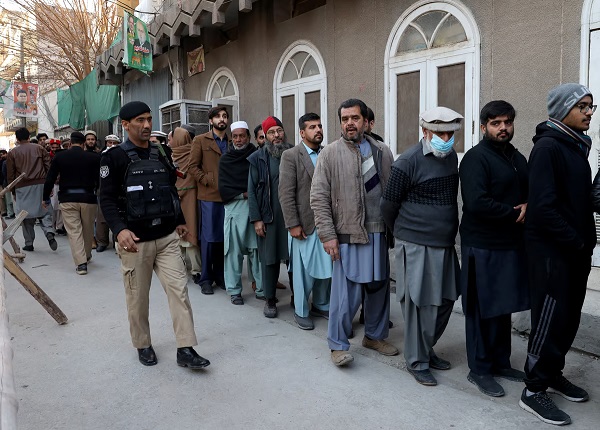
Against this backdrop of security concerns, tens of thousands of police and paramilitary forces have been deployed at polling stations to safeguard the electoral process. However, the challenges posed by militant groups, exemplified by the recent bombings at election offices in Baluchistan province, highlight the persistent threat of violence and instability facing the country. The Islamic State group's claim of responsibility for these attacks underscores the multifaceted security risks confronting Pakistan's democratic institutions.
Amidst the turmoil, the participation of prominent political figures, including former Prime Minister Imran Khan, has raised eyebrows. Khan, currently incarcerated, voted by postal ballot from jail, echoing similar actions by other incarcerated politicians. This unconventional voting method has reignited debates over the fairness of electoral practices and the accessibility of the democratic process to all citizens, regardless of their legal status.
Adding to the complexity are allegations of electoral manipulation and interference. Former Indian High Commissioner to Pakistan, Ajay Bisaria, has characterized the elections as "predictable" yet "rigged," pointing to alleged involvement of the military in engineering the political landscape. Such claims, though disputed by Pakistani authorities, underscore the deep-rooted suspicions surrounding the electoral process and its susceptibility to external influence.
As Pakistan navigates the treacherous terrain of electoral politics, it confronts a critical juncture in its democratic journey. The outcome of these elections will not only shape the country's political landscape but also test its commitment to upholding democratic norms and principles. In the face of mounting challenges, it is imperative for Pakistani authorities to ensure the integrity and transparency of the electoral process, uphold the rule of law, and safeguard the rights of all citizens to participate freely and fairly in shaping the nation's future. Only through such concerted efforts can Pakistan forge a path toward a more stable and inclusive democratic order.




















Leave Your Comment