


The INDIA bloc’s decision to approach the Supreme Court over allegations of ‘vote chori’ and the Special Intensive Revision (SIR) of electoral rolls has brought the debate over electoral integrity back into the national spotlight. Led by Rahul Gandhi, the opposition’s proposed march to submit a memorandum to Chief Justice of India Surya Kant seeks to turn its political objections into a constitutional issue. However, the episode also raises important questions about the appropriate relationship between political mobilisation, electoral accountability and judicial independence. With heightened security in central Delhi and restrictions at six metro stations, the immediate challenge is to ensure that a dispute over democratic institutions does not unnecessarily disrupt public life.
The INDIA bloc’s planned march to the Supreme Court on Monday marks another phase in the opposition’s campaign against alleged electoral irregularities and the ongoing process of Special Intensive Revision of electoral rolls. Led by Leader of Opposition in the Lok Sabha Rahul Gandhi, the initiative is intended to press the judiciary to examine concerns that opposition parties say threaten the credibility of elections. Yet, beyond the immediate political confrontation, the episode highlights a larger democratic question: how can electoral processes be scrutinised effectively without weakening public confidence in constitutional institutions?
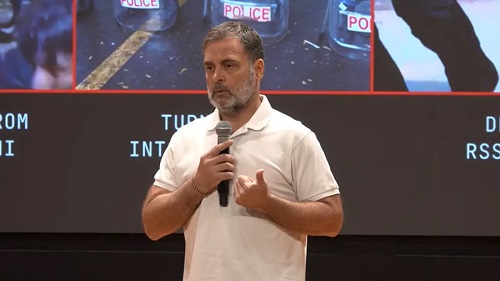
Gandhi has accused Prime Minister Narendra Modi and Union Home Minister Amit Shah of attempting to silence the opposition, asserting that they would never succeed in suppressing the voice of India. He has also criticised the Delhi Police action against protesters associated with the Cockroach Janata Party (CJP), portraying the opposition’s proposed march as an expression of love, brotherhood and patriotism. His remarks reflect an effort to frame the controversy not merely as a dispute over electoral procedures but as a wider struggle over democratic participation and the right to dissent.
The proposed participation of Samajwadi Party president Akhilesh Yadav, Trinamool Congress leader Mamata Banerjee and Rashtriya Janata Dal leader Tejashwi Yadav gives the initiative a broader political dimension. Their presence would demonstrate the opposition's attempt to build a common platform around electoral concerns, despite differences in regional interests, political priorities and organisational strategies.
However, the effectiveness of such mobilisation will depend on whether it produces specific, verifiable questions about electoral administration rather than remaining confined to political slogans. Allegations of electoral manipulation are serious and deserve examination wherever credible evidence is available. At the same time, accusations must be distinguished from established findings. A democracy benefits when allegations are investigated transparently, evidence is tested fairly and conclusions are reached through lawful procedures.





















Leave Your Comment