


Union Road Transport and Highways Minister Nitin Gadkari on Tuesday strongly defended the Centre's E20 fuel initiative, dismissing concerns over ethanol-blended petrol and flex-fuel vehicles. He asserted that the government introduced the technology only after extensive scientific testing and said there is no evidence to support claims that E20 fuel causes engine damage.
In an interview with India TV, Gadkari said the government follows a rigorous evaluation process before implementing any new technology. According to him, E20 fuel—petrol blended with 20 percent ethanol—was introduced only after comprehensive testing, and no complaints have been received indicating that the fuel has damaged vehicle engines.
The minister also accused certain groups of spreading misinformation about ethanol-blended fuel through social media. Without naming anyone, Gadkari said attempts were being made to create unnecessary confusion among the public. "When you cannot convince people, efforts are made to confuse them," he remarked, while refraining from identifying those allegedly behind the campaign.
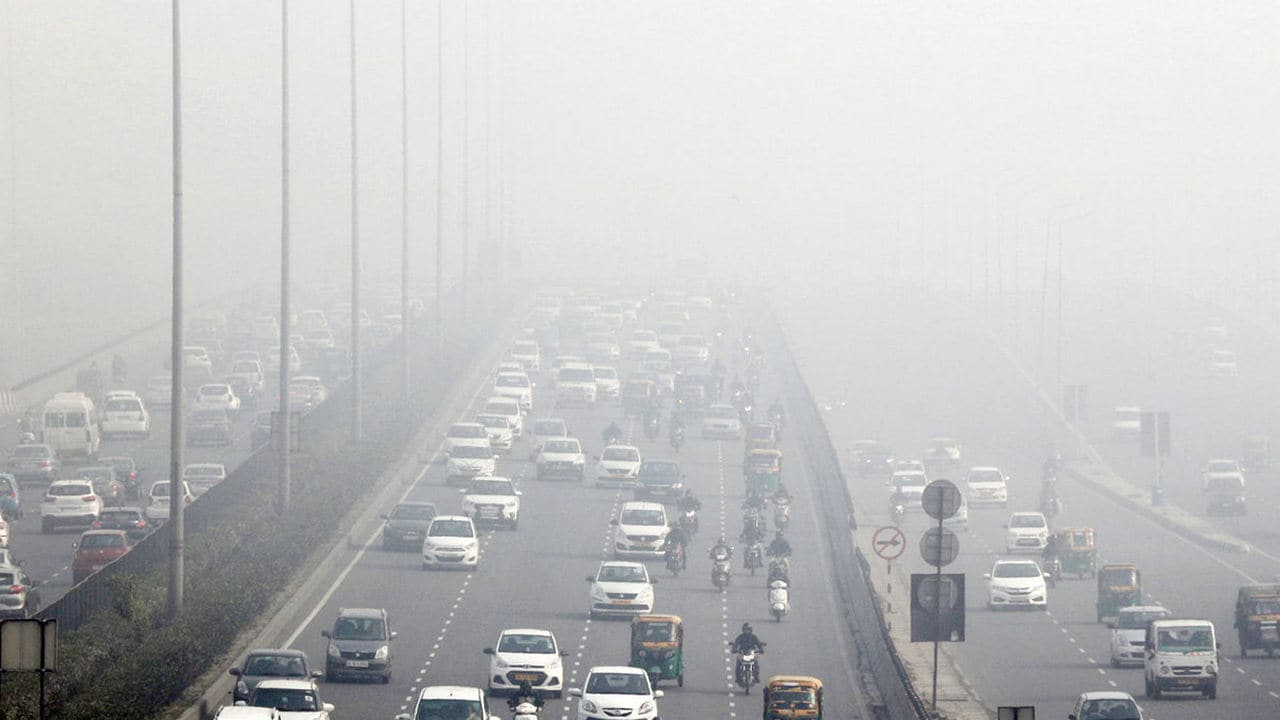
Highlighting the broader objectives of the government's ethanol-blending programme, Gadkari said India spends more than ₹22 lakh crore annually on importing fossil fuels. He added that the road transport sector alone contributes nearly 40 percent of the country's air pollution, making cleaner alternative fuels an urgent necessity.
The minister said expanding the use of ethanol and other biofuels would significantly reduce India's dependence on imported crude oil while simultaneously benefiting the domestic agricultural sector. According to him, money currently spent on fuel imports could instead flow directly to Indian farmers through increased demand for biofuel feedstock.
Gadkari pointed to the positive impact of ethanol production on farmers' incomes, particularly those cultivating maize and sugarcane. He said growing demand for maize as a raw material for ethanol production has resulted in better prices for farmers.
He also noted that ethanol manufacturing has strengthened the sugar industry, enabling sugar mills to improve their financial position and make faster payments to sugarcane farmers. Earlier, growers often faced long delays in receiving dues from sugar mills, but the ethanol programme has helped improve cash flow within the sector, he said.
Questioning critics of the policy, Gadkari asked whether India should not strive for energy self-reliance. He maintained that reducing dependence on imported fuels would strengthen the country's economy while creating sustainable opportunities for the farming community.
Addressing allegations that E20 fuel harms vehicle engines, Gadkari categorically rejected the claims and said the government has not received a single verified complaint linking ethanol-blended petrol to engine failure.
He challenged anyone whose vehicle, particularly one manufactured before 2023, had allegedly suffered engine damage because of E20 fuel to officially register a complaint. Such cases, he said, would be examined by insurance companies, whose findings would then be submitted to the government for review.
The minister further said that major automobile manufacturers, including Maruti Suzuki, have not reported any technical issues arising from the use of E20 fuel. Their assessments, he noted, support the government's position that the fuel is safe for approved vehicles.




















Leave Your Comment