


No-confidence motion against Speaker Om Birla falls by vote of voice in Lok Sabha. In a historic and rare parliamentary move, the opposition parties in the Lok Sabha introduced a no-confidence motion against Speaker Om Birla on Tuesday, March 10, 2026. With more than 50 MPs voting in favor of the motion’s introduction, the House had cleared the way for a marathon discussion regarding the Speaker’s neutrality and the government’s handling of global energy shifts.
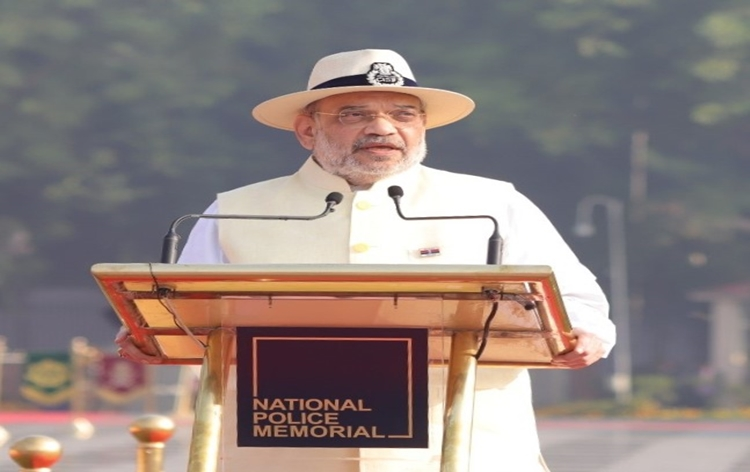
Earlier, Union Home Minister Amit Shah strongly defended Om Birla in the Lok Sabha on Wednesday during a heated debate on a motion seeking the Speaker’s removal. The motion, brought by opposition members, alleges that Birla has favoured the ruling party in the conduct of parliamentary proceedings.
Responding to the criticism, Shah rejected the allegations and argued that the office of the Speaker is an institution that stands above party politics. He maintained that questioning the impartiality of the Speaker undermines the dignity and credibility of Parliament itself.
During his address, Shah emphasised that the Speaker represents the entire House rather than any political party. According to him, the constitutional role of the Speaker is to ensure fairness and protect the rights of all Members of Parliament.
“The Speaker does not belong to any party; the Speaker belongs to the entire House. The Speaker is the protector of the rights of all Parliamentarians,” Shah said while defending Birla’s conduct in the House.
The Home Minister stressed that the institution of the Speaker plays a crucial role in maintaining discipline, decorum, and balance within parliamentary debates.
Shah also highlighted the unusual nature of the motion itself. He pointed out that a move seeking the removal of a Speaker had not been brought before the House in nearly four decades. According to him, reviving such a measure reflects a concerning shift in parliamentary politics.
“After nearly four decades, a no-confidence motion has been brought against the Speaker. This is not ordinary and is unfortunate for parliamentary politics,” he said.
He argued that disagreements in Parliament are natural in a democracy, but bringing a motion against the Speaker risks politicising an office meant to function as a neutral authority.
Shah also reminded the House that when Om Birla was elected as Speaker, members from both the treasury benches and the opposition had accompanied him to the Chair, symbolising consensus and respect for the position.
Questioning the current allegations, Shah said it was contradictory for the same opposition leaders who once supported Birla to now question his impartiality.
“When the Speaker was elected, members from both sides accompanied him to the Chair, but today his conduct is being questioned,” he noted.
The Home Minister further warned that such controversies could damage the international reputation of India’s democratic institutions. He noted that India’s parliamentary system enjoys global respect and that disputes targeting the Speaker’s office could cast a shadow on that image.
“India’s democracy is respected across the world, and such motions can tarnish that image,” Shah said.
The debate in the Lok Sabha reflected the continuing political divide between the ruling alliance and the opposition over parliamentary functioning. While opposition parties argue that the Speaker must remain accountable for ensuring fair proceedings, the government maintains that the move undermines the dignity of the office and long-standing parliamentary traditions.




















Leave Your Comment