


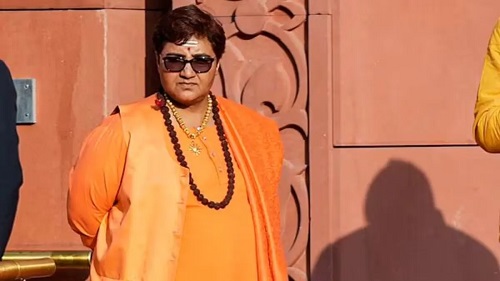
An NIA special court in Mumbai has acquitted all seven accused, including former BJP MP Pragya Singh Thakur and Lt Col Prasad Purohit, in the infamous 2008 Malegaon blast case. This decision comes nearly 17 years after a devastating explosion rocked Maharashtra's Malegaon town, resulting in six fatalities and over 100 injuries.
Legal Proceedings and Verdict
The trial, which commenced in 2018, involved charges under the Unlawful Activities (Prevention) Act (UAPA) and various sections of the Indian Penal Code. The National Investigation Agency (NIA), after taking over the case from the Maharashtra ATS in 2011, presented its case with 323 witnesses, although 37 of them eventually turned hostile during the proceedings.
In delivering the verdict, Special Judge AK Lahoti pointed out significant gaps and inconsistencies in the prosecution's case:
Lack of Concrete Evidence: The prosecution failed to establish crucial aspects such as the placement of the bomb on the motorcycle and the origin of explosive materials.
Procedural Lapses: Key pieces of evidence, including the failure to collect fingerprint samples and the alleged mishandling of the crime scene, raised doubts about the integrity of the investigation.
Flawed Application of UAPA: The court noted flaws in the invocation of the UAPA, suggesting procedural irregularities.
Judge Lahoti emphasized that the principle of 'innocent until proven guilty' prevailed, leading to the acquittal of all accused due to insufficient and unreliable evidence. The court extended the benefit of doubt to the accused, highlighting the prosecution's failure to substantiate its allegations beyond reasonable doubt.
Context and Fallout
The Malegaon blast case, occurring during the holy month of Ramzan and just before Navratri, had significant communal ramifications at the time. The NIA posited that the attack aimed to instill fear within the Muslim community. However, the defense argued vehemently against these claims, asserting the innocence of the accused.
The acquittal has sparked varied reactions, with supporters of the accused welcoming the verdict as vindication after years of legal battles. Meanwhile, critics and some sections of society express concerns over justice and the implications for communal harmony.
The Malegaon blast case's resolution underscores the complexities of terrorism trials, where legal intricacies, procedural lapses, and the burden of proof play critical roles. As the legal saga unfolds, it prompts reflections on the challenges of balancing justice, security imperatives, and community relations in sensitive cases.
This verdict, while closing a significant chapter in India's legal history, leaves lingering questions about accountability, the reliability of evidence, and the pursuit of justice in cases of terrorism and communal violence.




















Leave Your Comment