



VIRAL DESAI
As climate change, urban stress, and lifestyle diseases continue to rise, scientific evidence increasingly suggests that forests and green spaces may offer one of the most effective and affordable preventive healthcare solutions.
The twenty-first century has witnessed extraordinary progress in medical science, healthcare infrastructure, and pharmaceutical innovation. Advances in diagnostics, surgical procedures, artificial intelligence, and biotechnology have significantly increased life expectancy and improved the treatment of numerous diseases. Yet, paradoxically, humanity today is facing an unprecedented surge in lifestyle disorders, mental health challenges, cardiovascular diseases, obesity, diabetes, and chronic stress. The World Health Organization has repeatedly warned that non-communicable diseases and mental health disorders are among the defining public health challenges of this century. While governments continue to invest billions in hospitals and medicines, an equally powerful healthcare intervention often remains overlooked the healing power of nature.
A recent report highlighted by The New York Times, based on findings from a long-term 24-year scientific study, reinforces what environmental scientists and public health experts have increasingly argued over the past decade: regular exposure to forests, parks, and green spaces significantly improves physical and mental health while contributing to longer life expectancy. Far from being merely recreational spaces, forests are emerging as vital public health infrastructure capable of reducing disease burden before medical intervention even becomes necessary.
The scientific evidence supporting this conclusion is substantial. Numerous studies conducted across different countries have demonstrated that spending time in natural environments lowers cortisol...the body's primary stress hormone reduces blood pressure, improves cardiovascular health, strengthens immune function, enhances cognitive performance, and improves sleep quality. Researchers have also found that contact with nature reduces anxiety, depression, loneliness, and emotional fatigue while encouraging physical activity and stronger social interactions. These benefits collectively contribute to healthier lives and reduced healthcare costs.
One interesting aspect highlighted in the report is the use of simple mindfulness techniques such as the 5-4-3-2-1 grounding method, which encourages individuals to reconnect with their surroundings by observing five things they can see, four they can touch, three they can hear, two they can smell, and one they can taste. Such practices remind us that mental well-being is deeply connected with our environment and that nature itself serves as an effective therapeutic space.
The implications of these findings are particularly significant for India. The country is urbanising at an unprecedented pace. Expanding cities, increasing concrete infrastructure, shrinking open spaces, deteriorating air quality, and rising temperatures are gradually distancing millions of people from nature. Simultaneously, India is witnessing a steady increase in hypertension, diabetes, respiratory illnesses, depression, anxiety, and other stress-related disorders. Urban lifestyles characterised by long working hours, excessive screen time, traffic congestion, and reduced physical activity have created conditions where both physical and psychological health are under constant pressure.
Climate change has further intensified this challenge. Heatwaves are becoming more frequent and severe, air pollution continues to affect millions, biodiversity loss is accelerating, and urban heat islands are making cities increasingly uncomfortable. These environmental changes are no longer separate from healthcare concerns; they directly influence human health, productivity, and quality of life. Consequently, environmental conservation and public health can no longer be treated as independent policy domains. They are inseparable components of sustainable development.
Recognising this connection requires a fundamental shift in policy thinking. Green spaces should no longer be viewed merely as beautification projects or recreational amenities. Instead, they should be recognised as preventive healthcare infrastructure. Investments in urban forests, biodiversity parks, restored wetlands, green corridors, riverfront ecosystems, community gardens, and roadside plantations generate multiple returns simultaneously. They improve air quality, reduce urban temperatures, enhance biodiversity, promote physical activity, strengthen mental well-being, and increase climate resilience.
Several countries have already institutionalised this approach. Japan's internationally recognised practice of Shinrin-yoku, or "forest bathing," encourages individuals to immerse themselves mindfully in forest environments. Scientific studies have shown measurable improvements in blood pressure, immune function, stress reduction, and emotional well-being among participants. Similar "green prescription" programmes are now being adopted across parts of Europe, Australia, and New Zealand, where doctors recommend time in nature alongside conventional medical treatment for certain physical and psychological conditions. These initiatives demonstrate that healthcare systems of the future may increasingly combine medical science with ecological restoration.
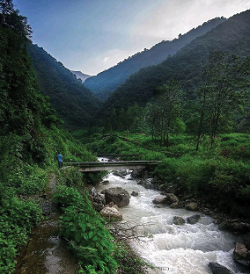
India possesses tremendous potential to become a global leader in this emerging field. Across the country, community-driven afforestation programmes, Miyawaki urban forests, restored lakes, biodiversity parks, eco-sensitive campuses, and green public institutions have demonstrated that ecological restoration is both feasible and impactful. These initiatives not only improve local environmental conditions but also foster community participation, environmental awareness, and healthier lifestyles. Integrating such projects into Smart Cities, AMRUT, National Health Mission, and climate adaptation programmes could multiply their social and economic benefits.
The economic argument is equally compelling. Preventive healthcare is significantly more cost-effective than treating chronic diseases after they develop. Cleaner air reduces respiratory illnesses. Cooler cities decrease heat-related hospitalisations. Green neighbourhoods encourage walking and cycling, thereby lowering obesity and cardiovascular risk. Improved mental health enhances workplace productivity and reduces healthcare expenditure. Every investment in ecological restoration therefore produces measurable returns in public health, environmental sustainability, and economic resilience.
These developments also call for a broader change in societal attitudes. For decades, development has often been measured through highways, skyscrapers, industrial output, and expanding urban infrastructure. While these remain important indicators of economic progress, the quality of human life increasingly depends on equally important natural assets...clean air, healthy forests, accessible parks, thriving biodiversity, and resilient ecosystems. True development cannot be measured solely by GDP; it must also be measured by the health and happiness of citizens.
The growing body of scientific evidence sends an unmistakable message: nature is not a luxury to be enjoyed only during vacations; it is an essential foundation of human health. Just as clean drinking water, sanitation, vaccination, and nutrition transformed public health over the past century, accessible green spaces may become one of the defining preventive health interventions of the twenty-first century.
As India advances towards becoming a developed nation while simultaneously addressing climate change and public health challenges, integrating ecological restoration into healthcare and urban planning is no longer optional—it is imperative. Every tree planted, every forest restored, every wetland protected, and every urban park created is not merely an environmental achievement; it is an investment in healthier citizens, stronger communities, and a more resilient nation.
The future of healthcare may not lie only inside hospitals and laboratories. Increasingly, it also lies beneath the shade of a tree, along a restored river, within an urban forest, and in our collective willingness to reconnect with nature.
(The author is a known Environmentalist and the pioneer of Satyagraha Against Pollution movement, viraludayindia@gmail.com )
(The content of this article reflects the views of writer and contributor, not necessarily those of the publisher and editor. All disputes are subject to the exclusive jurisdiction of competent courts and forums in Delhi/New Delhi only)




















Leave Your Comment