


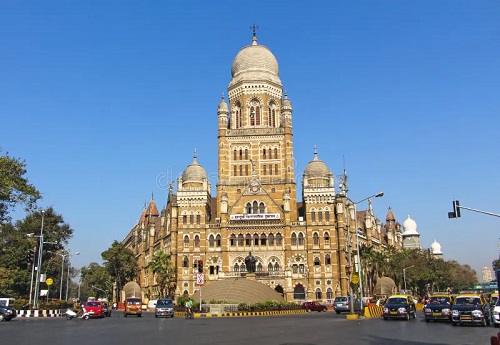
The hotly contested election for Mumbai’s mayor has been abruptly postponed from January 31 to early February, as procedural delays expose the shaky coordination between the Bharatiya Janata Party (BJP) and the Chief Minister Eknath Shinde-led Shiv Sena. The snag, arising from incomplete group registrations of corporators, has thrown the leadership race in the Brihanmumbai Municipal Corporation (BMC)—India’s richest civic body—into uncertainty, fuelling intense speculation over power-sharing arrangements.
Following the declaration of reservations for the mayor's post, the BMC had geared up for voting on January 31. However, the process hit an unexpected wall: corporators from the BJP and the Shinde faction of Shiv Sena failed to finalize their group registrations, a mandatory step for electoral formalities.
According to civic rules, until all political factions submit their group registration certificates to the municipal secretary's office, the mayor election cannot proceed. In a contrast of preparedness, the Uddhav Thackeray-led Shiv Sena (UBT) and the Maharashtra Navnirman Sena (MNS)—together controlling 65 corporators—completed their registrations swiftly. This has positioned them ahead in the procedural race while their rivals scramble to catch up.
Insiders now indicate that the election is likely to be rescheduled for the first week of February, buying crucial time for the completion of paperwork. The delay underscores a deeper strategic uncertainty: will the BJP and Shinde Sena register as a joint group or as separate entities? This decision could significantly tip the scales for mayoral control in the 227-member house, where alliances remain fluid and numbers are closely contested.
The postponement highlights the fractured state of Maharashtra's politics following the civic polls, where political loyalties and alliances have shifted faster than deadlines. While the BJP and Shinde Sena aim to establish dominance in the BMC, these procedural hiccups have laid bare their coordination challenges at a critical juncture.
The stakes of every delay are magnified by the BMC’s colossal annual budget, which exceeds Rs 60,000 crore. Control over the civic body is not just a political prize but a lever of immense administrative and financial influence. The readiness of the UBT-MNS bloc stands in sharp contrast to the disarray within the BJP-Shinde camp, potentially forcing last-minute negotiations and hasty political huddles.
As Mumbai looks toward February, the city watches closely to see which faction can overcome the procedural hurdles and clinch the mayor’s gavel. The outcome will not only determine the leadership of the metropolis’s civic administration but also signal the balance of power in Maharashtra’s turbulent political landscape.



















Leave Your Comment