


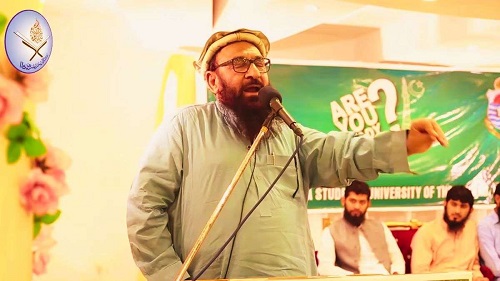
Hafiz Abdul Rehman Makki, the brother-in-law of 26/11 Mumbai terror attack mastermind Hafiz Saeed and deputy chief of the banned Jamaat-ud-Dawa (JuD), passed away on Friday following a heart attack. According to JuD officials, Makki had been unwell for the past few days and was undergoing treatment for diabetes at a private hospital in Lahore.
A senior JuD official confirmed to PTI, “Makki suffered a heart attack this morning and breathed his last at the hospital.” Abdul Rehman Makki, a significant figure in Pakistan’s Punjab province, was born in Bahawalpur. A close associate of Hafiz Saeed, he held several key positions within Lashkar-e-Taiba (LeT) and Jamaat-ud-Dawa, including serving as LeT’s political chief and fundraiser. He was also a member of LeT’s governing body, Shura.
Indian agencies had accused Makki of involvement in major terrorist attacks, including the 2000 Red Fort attack and the 2008 Mumbai Taj Hotel siege. In 2010, the U.S. Department of the Treasury added Makki to its list of global terrorists. Makki was also sentenced to six months in prison in 2020 by Pakistan’s Anti-Terrorism Court for financing terrorism. However, following his conviction, Makki remained largely out of the public eye.
In 2023, Makki was designated a global terrorist by the United Nations. This led to the seizure of his assets, a travel ban, and restrictions on weapons. He was accused of being a close associate of Taliban commander Mullah Omar and al-Qaeda leader Ayman al-Zawahiri.
Makki was notorious for his anti-India speeches in Pakistan. In 2017, his son, Owaid Rehman Makki, was killed during an Indian security operation in Jammu and Kashmir. Makki also played a crucial role in financing the 26/11 Mumbai terror attacks, which claimed the lives of 166 people. Nine terrorists were killed during the counter-terrorism operation, while one, Ajmal Amir Kasab, was captured alive.
Makki’s death marks the end of a controversial chapter in the history of global terrorism. Known for his inflammatory rhetoric and close ties to terror networks, he remained a prominent figure in Pakistan’s extremist circles. While his passing might close a personal chapter, his legacy serves as a reminder of the ongoing challenges in combating global terrorism.
Pakistani political parties, including the Pakistan Muttahida Muslim League (PMML), issued statements commemorating Makki, describing him as a supporter of Pakistan’s ideology. However, his role in terror financing and his connections to high-profile attacks leave a tainted legacy that continues to affect global security dynamics.





















Leave Your Comment