


What comes to your mind when you imagine a river? A stream of water flowing through landscapes? While that's partly true, rivers are so much more than just water in motion. They are dynamic ecosystems channelling energy and carrying life, nutrients, rocks - elements that shape not just the river but also the land, lives, and cultures that surround it. Imagine this: the Ganga emerging from the Himalayas, carving its way through the mountains before it begins a slow, laborious meandering through the plains. What shapes these rivers, allowing them to nourish civilisations, and sustain life? Sediment.
Sediment Formation: The unsung architects of rivers
Sediments play a crucial role in the river’s health and ecosystem. Sediment dynamics influence the river’s pace, as well as the shape and course it takes. The process of sediment formation, transport, deposition, and natural erosion not only affects the river’s flow but also moulds islands and sandbanks - with this constant interplay of deposition and erosion shaping the riverine system itself.
Water in rivers moves with an immense energy that allows it to wear down even seemingly hard rocks, given sufficient time. It is important to note the long geological timescales this process of sedimentation takes, especially when considering the ‘replenishment’ and ‘renewability’ of sediment in the system.
The Journey of River Sediments: From Mountains to the Sea
Headwaters: The Birthplace of Sediments
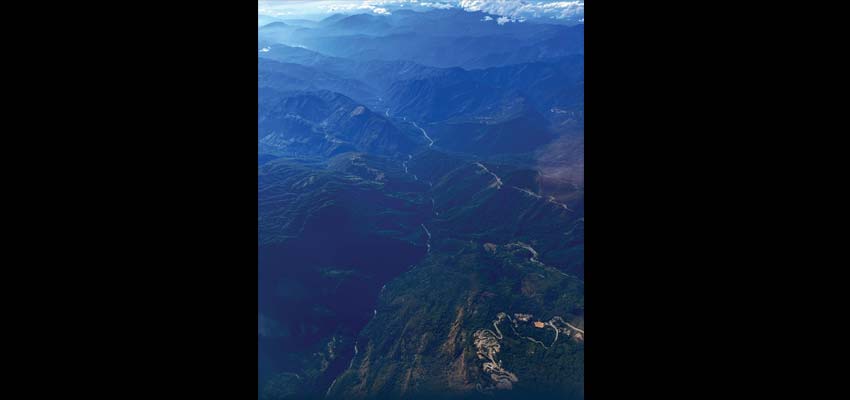
A t a river’s origin—often in steep, mountainous regions—water rushes downhill with tremendous energy and a swift pace. As it makes its way along the rocky substrate at immense speeds, the river’s energy erodes rock into small stones and finer sediments. These sediments are then transported downstream, carried by the flowing river.
Plains: Where Sediments Settle
As the river enters the plains, it slows down and moves with less energy. Here, in flatter terrain, the river relieves its load by depositing sediments in floodplains, riverbanks, and islands. Its energy goes to carrying and depositing sediment and to eroding at its banks - resulting in the iconic meandering pattern of rivers like the Ganga, Yamuna, Ghaghra, and others.
At this stage, the work being done by the river (to carry, deposit, and erode) tempers its energy and regulates the intensity of flooding. Natural flooding, often seen as a disaster, plays a crucial role in the plains. Floods spread silt, clay, and sand across the land, replenishing the topsoil and sustaining diverse ecosystems. These deposits make the soil nutrient-rich, supporting agriculture and aquatic life.
Deltas And Estuaries: The River’s Grand Finale
As the river travels its course and eventually meets the sea or ocean, its speed reduces further, energy dissipates, and a lot of sediment deposition takes place at the mouth of the river, often forming a delta or estuary. Sediments are very important for a delta, as they help in the growth of mangroves, mitigate the impact of cyclones, and can reduce saline intrusion.
Anthropogenic changes in sediment flow
Human activities on rivers such as the construction of dams and barrages, sand mining, hampers the flow of sediments, which affects the rivers’ energy and flow, and consequently its floodplain.
Sand Mining and the Removal of Sediment
Sediment creation and deposition are processes that take place on geological timescales, shaped over many millions of years. On the other hand, mining sand for construction and dredging for creating waterways are some anthropogenic activities that remove sediments from the river at a pace with which the river’s natural replenishment system cannot keep up.
As we saw earlier, sediments help regulate the river’s flow, as its energy gets dissipated from carrying its sediment load. When sediment is removed through sand mining or dredging, the river’s flow becomes much faster. These sediment deficient rivers are also known as ‘hungry rivers’ - with untempered energy, eroding at banks and prone to flash floods.
The river’s floodplain acts like a sponge. The adjoining sandbanks allow water to percolate into underground aquifers and smaller water bodies. Excessive and unregulated sand mining removes dangerously large amounts of this sand, and significantly reduces the river's capacity to recharge and store water in the floodplains.
By Rhea Lopez, Aishani Goswami





















Leave Your Comment