


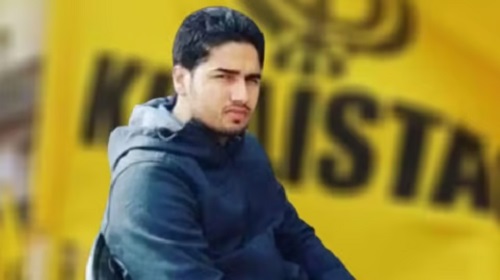
In a significant development, Canadian authorities arrested Arsh Dalla, a separatist leader designated an “individual terrorist” by India, in connection with a recent shooting incident in Milton, Ontario. This arrest marks a notable turn in Canada-India relations, already under strain following allegations and counterclaims over involvement in high-profile incidents linked to separatist activities.
Arsh Dalla, whose name has frequently surfaced in connection with Khalistani activities, was marked as a successor to slain leader Hardeep Singh Nijjar. Nijjar's assassination in Surrey last year intensified tensions between New Delhi and Ottawa, with Canadian Prime Minister Justin Trudeau alleging "credible evidence" linking Indian government agents to the killing. The claim was strongly denied by India as "absurd" and "motivated," and the arrest of Dalla now adds another layer of complexity to the already sensitive relations between the two nations.
The Indian government had previously requested Canadian authorities to arrest Dalla on a provisional basis, underlining his fugitive status and linking him to activities threatening India’s national security. According to a report from India Today, Dalla's arrest stemmed from his suspected involvement in an armed altercation that took place last month in the Halton region. Sources within Indian security agencies have reportedly confirmed the detention, viewing it as a crucial step toward curbing separatist violence that has found foothold in Canada.
The recent investigation by the Halton Regional Police Service (HRPS) was launched in late October after a shooting incident in Milton left one man with a gunshot wound. The HRPS revealed that the police received a call after two men sought medical attention in Guelph. The hospital treated one man for a non-life-threatening gunshot wound, while the other man was uninjured. The Major Crime Bureau subsequently arrested both men as part of the ongoing investigation.
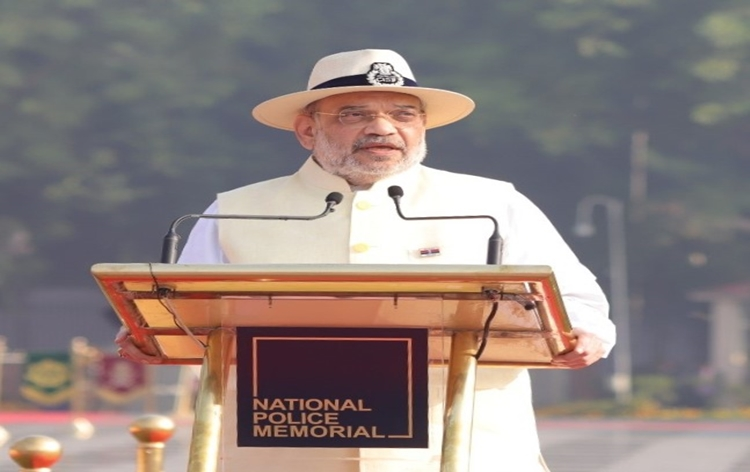
The timing of Dalla’s arrest is notable, occurring amidst escalating diplomatic tensions between Ottawa and New Delhi. Canada recently alleged that Indian Home Minister Amit Shah was implicated in plots to target Sikh separatists on Canadian soil. These claims, however, were swiftly dismissed by India, which accused Canada of fostering extremist and anti-India sentiments by providing safe havens to separatist elements.
The issue has sparked widespread debate on the limits of free speech and political advocacy, especially as it intersects with national security concerns. While Canada maintains its stance on the protection of individual freedoms, India has consistently argued that the tolerance of such extremism under the guise of free speech threatens bilateral ties and regional stability.
Dalla’s arrest could potentially mark a turning point in the diplomatic standoff. Both nations are facing increased pressure from domestic and international stakeholders to reach a resolution that balances Canada’s stance on individual rights with India’s calls for a unified approach to counterterrorism.
As Canada’s judiciary addresses Dalla’s detention and as Indian officials monitor the proceedings closely, the outcome of this case may set a precedent for handling similar situations in the future. The international community is watching closely to see how both nations navigate the complex intersection of legal due process, diplomatic relations, and national security interests.




















Leave Your Comment