


Tahawwur Hussain Rana, a significant figure linked to the infamous 2008 Mumbai terror attacks, has been extradited from the United States to India. His arrival at Delhi's Palam Airport marks a critical juncture in the ongoing pursuit of justice for the devastating events that shook the nation.
Extradition and Arrival
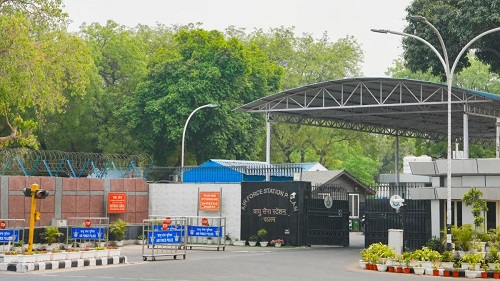
Tahawwur Rana, a Pakistani-origin Canadian citizen, was extradited following extensive legal proceedings in the United States. Upon landing at Palam Airport, he was promptly transferred under high security to the National Investigation Agency (NIA) headquarters for interrogation. Sources within the Delhi Police confirmed the deployment of a specialized team from the Third Battalion, comprising a jail van, pilot car, and escort car equipped with advanced weaponry. A contingent of 15 police officers ensured the secure transfer of Rana to the NIA Headquarters, where he will face intense scrutiny regarding his alleged involvement in the Mumbai attacks.
Pakistan's Response
In response to Rana's extradition, Pakistan's Foreign Office released a statement seeking to distance itself from the accused, emphasizing that Rana had not renewed his Pakistani documents for over two decades. The statement reiterated Rana's Canadian nationality and asserted Pakistan's lack of official ties with him, thereby attempting to dissociate from any responsibility in the matter.
Legal Proceedings and Future Actions
Once in Indian custody, Tahawwur Rana is expected to face formal arrest by the NIA in connection with his alleged role as a co-conspirator in the 2008 Mumbai terror attacks. Security arrangements at Tihar Jail have been reportedly prepared for his incarceration pending further judicial procedures. At 64 years old, Rana's extradition signals a significant step towards addressing the complex network of individuals involved in the planning and execution of one of India's deadliest terrorist incidents.
Background
Tahawwur Hussain Rana's association with David Coleman Headley, another key conspirator in the Mumbai attacks, underscores the international dimension of the case. Headley, an American citizen, had previously pleaded guilty to his role in the attacks and provided crucial testimony against Rana in US courts, which ultimately paved the way for Rana's extradition to India.
In summary, as India prepares to delve deeper into Tahawwur Rana's alleged involvement in the Mumbai terror attacks, his extradition marks a significant development in the pursuit of justice and closure for the victims and their families. The interrogation and subsequent legal proceedings are expected to shed further light on the intricate web of international terrorism and its ramifications, underscoring the global effort to combat such threats to peace and security.
The extradition of Tahawwur Rana underscores India's commitment to pursuing justice relentlessly and ensuring that those responsible for heinous acts of terrorism are brought to account under the full force of the law.





















Leave Your Comment