


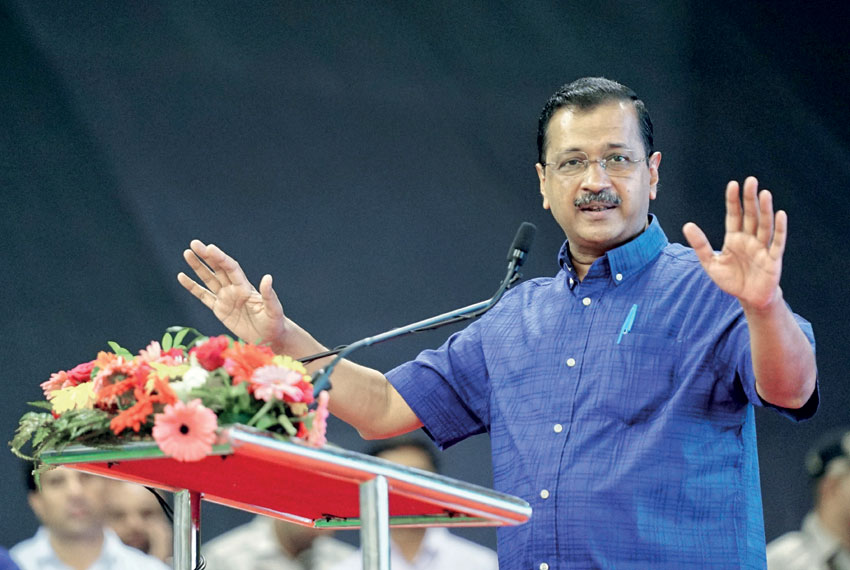
Arvind Kejriwal's political trajectory has been nothing short of remarkable, marked by moments of triumph and turbulence. From his meteoric rise as an anti-corruption crusader to assuming the helm of Delhi's Chief Minister, Kejriwal's journey has been closely watched and often debated. However, recent events surrounding his leadership have brought his political career under intense scrutiny, raising pertinent questions about integrity, governance, and the state of Indian democracy. Kejriwal's resurgence in 2015, with the Aam Aadmi Party (AAP) securing a resounding victory in the Delhi elections, symbolized a beacon of hope for many disillusioned by traditional politics. His promise of clean governance and grassroots activism struck a chord with voters, catapulting him to the forefront of Indian politics. Subsequent electoral successes in 2020 further cemented his position, solidifying his image as a formidable political force. However, the euphoria of electoral victories soon gave way to a severe setback when the Delhi excise policy controversy erupted in 2021. The policy, intended to reform the liquor sector, became embroiled in allegations of corruption and favouritism, casting a shadow over Kejriwal's administration. Investigations by enforcement agencies uncovered damning evidence, implicating several AAP leaders, including Deputy Chief Minister Manish Sisodia and Rajya Sabha member Sanjay Singh.
The latest twist in the saga came with Kejriwal's arrest by the Enforcement Directorate (ED) on charges related to the liquor scam. Despite vehemently denying the allegations, Kejriwal finds himself entangled in a legal battle that threatens to tarnish not only his personal reputation but also the image of his party. The implications of Kejriwal's predicament extend far beyond individual culpability; they strike at the heart of broader concerns about the integrity of political processes and the prevalence of corruption within the system. However, the supporters of Kejriwal maintain that the selective targeting of opposition leaders by investigative agencies has sparked outrage and raised doubts about the impartiality of law enforcement mechanisms. As the nation braces for upcoming elections, Kejriwal's ordeal serves as a sobering reminder of the importance of electing leaders of unwavering integrity. The electorate must remain vigilant and hold elected representatives accountable for their actions, ensuring that those entrusted with power uphold the highest ethical standards. In conclusion, Arvind Kejriwal's journey from an anti-corruption crusader to a controversial political figure encapsulates the complexities of Indian politics. While his initial crusade against corruption resonated with many, the current imbroglio underscores the challenges inherent in navigating the murky waters of power and governance. As the saga unfolds, the imperative for transparency, accountability, and ethical leadership remains paramount in shaping the future trajectory of Indian democracy.

By Deepak Rath




















Leave Your Comment