


In a major reform aimed at simplifying India’s legal and regulatory framework, Union Commerce and Industry Minister Piyush Goyal on Friday described the Jan Vishwas (Amendment of Provisions) Bill, 2026 as a transformative step towards reducing compliance burdens and fostering trust-based governance.
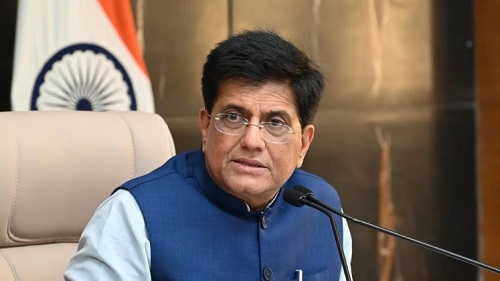
Addressing a press conference in New Delhi, Goyal said the primary objective of the bill is to make laws more citizen-friendly by eliminating fear of penalties for minor infractions. “The aim is not to control common people, but to benefit them,” he stated, highlighting that the reform is designed to improve both ease of living and ease of doing business.
One of the most significant aspects of the legislation is the large-scale decriminalisation of minor offences. According to the minister, nearly 1,000 offences across 79 Acts have been decriminalised for the first time under this initiative. The move is expected to reduce legal complexities and encourage entrepreneurship by removing the risk of criminal prosecution for technical or procedural lapses.
Goyal described the bill as a key milestone in India’s roadmap towards becoming a developed nation by 2047—an ambition often referred to as Viksit Bharat 2047. He emphasised that the reform reflects the trust placed by the government led by Narendra Modi in citizens, small businesses, start-ups, and entrepreneurs.
Highlighting its broader impact, the minister noted that 12 states have already implemented their own versions of Jan Vishwas laws, and he encouraged others to follow suit. He stressed that the reform represents a conscious shift away from a colonial-era mindset, where punitive measures dominated governance, towards a more balanced and fair system.
The bill is also expected to ease pressure on India’s overburdened judicial system. Goyal pointed out that nearly 5 crore cases—many related to minor offences—are currently pending in courts. By decriminalising such offences, the reform could significantly reduce litigation and free up judicial resources for more serious cases.
Overall, the Jan Vishwas Bill, 2026 is being seen as a bold step in modernising India’s legal ecosystem, promoting compliance through trust rather than fear, and creating a more enabling environment for economic growth.





















Leave Your Comment