


Just a day after the United States and Iran unveiled a landmark peace agreement aimed at ending hostilities across the Middle East, southern Lebanon was rocked by one of the deadliest bouts of violence in recent months. According to Lebanon's National News Agency (NNA), Israeli air strikes and artillery shelling across the Nabatieh district killed at least 16 people overnight, raising fresh concerns about the fragile prospects for regional peace.
The attacks reportedly targeted several towns and residential areas in southern Lebanon during the night. NNA described the bombardment as among the most intense witnessed in the region in recent times. Israeli artillery shelling struck Nabatieh city, Kfar Jouz, Kfar Reman and Zebdine, while air strikes later hit Kfar Tibnit and the Rayhan heights.
Casualties were reported across multiple locations. At least eight people were killed in Nabatieh and Harouf. Four others lost their lives when a house located between Al-Sharqiya and Doueir was struck. Another three people were killed in Kfar Sir. In a separate incident, an Israeli drone strike targeting a motorcycle near the Doueir municipality building killed one person and injured another.
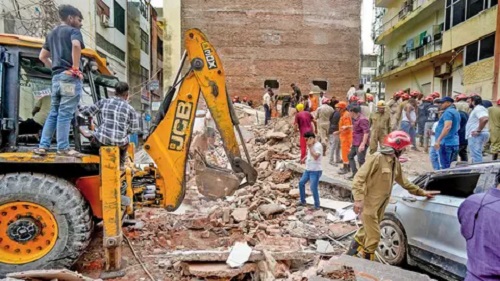
Several others were reported injured in the attacks, while rescue teams continued search operations amid fears that additional victims remained trapped under collapsed buildings and debris.
The escalation comes less than 24 hours after Washington and Tehran announced a 14-point Memorandum of Understanding (MoU) that was presented as a roadmap for peace and stability across the Middle East. One of the key provisions of the agreement calls for the immediate and permanent cessation of all military operations and hostilities, including those taking place in Lebanon.
The agreement was digitally signed by US President Donald Trump and Iranian President Masoud Pezeshkian and has been described by officials as a "gentlemen's agreement" designed to reduce tensions and prevent further conflict in the region.
Beyond the commitment to halt fighting, the accord includes several significant measures. The United States has agreed to begin easing restrictions and sanctions on Iran, while Tehran has pledged not to pursue nuclear weapons and to cooperate with international nuclear inspection mechanisms.
The agreement also outlines broader plans for economic cooperation, reconstruction assistance for Iran and initiatives aimed at restoring maritime trade routes, including the strategically important Strait of Hormuz.
The deadly violence in southern Lebanon has cast an immediate shadow over the newly announced peace framework. The attacks are likely to intensify scrutiny over the implementation of the US-Iran agreement and raise questions about whether the deal can quickly translate into stability on the ground.
As diplomatic efforts continue, the latest bloodshed underscores the challenges facing regional actors and international mediators seeking to turn political commitments into lasting peace across the Middle East.





















Leave Your Comment