


In a dramatic twist amid escalating geopolitical tensions, Iran now finds itself grappling with a crisis of its own making in the strategically vital Strait of Hormuz. According to a report by The New York Times, citing US officials, Tehran is unable to fully reopen the crucial maritime corridor—not due to external pressure alone, but because it cannot locate all the sea mines it deployed in the waterway during the recent conflict.
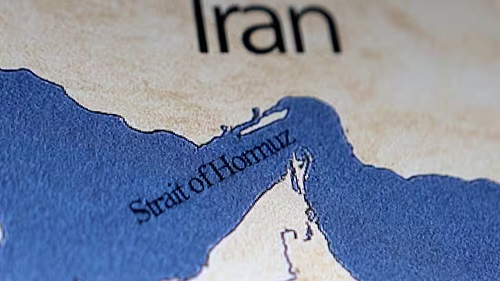
The Strait of Hormuz, which links the Persian Gulf to the Gulf of Oman and the Arabian Sea, is one of the most critical chokepoints in the global energy supply chain. Roughly one-fifth of the world’s oil passes through this narrow passage, making any disruption a matter of international concern. For countries like India, the stakes are even higher, with nearly 80 percent of its energy imports transiting through this route.
Iran reportedly began mining the strait last month using small boats, shortly after joint airstrikes by the United States and Israel targeted Iranian facilities amid stalled nuclear negotiations. The strikes were linked to allegations that Tehran had resumed sensitive nuclear activities, prompting a sharp escalation in hostilities.
However, what appears to have been a tactical move to deter maritime traffic has now backfired. US officials claim that the mining operation was conducted in a “haphazard” manner, with incomplete or poorly maintained records of mine placements. Some mines were even deployed in ways that allowed them to drift with currents, further complicating efforts to track and neutralize them.
This lack of precise documentation has left Iranian authorities struggling to ensure safe passage through the strait. The presence of unaccounted-for mines poses a significant hazard to commercial shipping, raising the risk of accidental detonations and maritime disasters.
The situation has added a new layer of complexity to the ongoing ceasefire negotiations between Iran and the United States in Islamabad. Donald Trump has reportedly issued a stern warning to Tehran, urging it to swiftly reopen the strait and restore normal shipping operations.
While Iran did agree earlier this week to reopen Hormuz as part of a ceasefire arrangement, its inability to promptly clear the mines has delayed full implementation. This has made the talks in Islamabad increasingly fraught, with global markets closely watching developments.
Acknowledging the risks, Iran’s Islamic Revolutionary Guard Corps (IRGC) has issued advisories to maritime operators, warning of potential collisions with sea mines. In an unusual move, Tehran has also outlined alternative routes for vessels transiting the strait, aiming to reduce exposure to the most heavily mined zones.
“All ships intending to transit the Strait of Hormuz…should take alternative routes,” the IRGC said in a statement, emphasizing maritime safety concerns. The directive includes specific instructions for safer entry and exit paths, although these may not fully mitigate the risks.
Previously, Iran had left a limited passage open for ships willing to pay a toll, but the current uncertainty has raised questions about the reliability and safety of such arrangements.
The ongoing disruption in the Strait of Hormuz underscores the fragile nature of global energy security. Even a partial blockage can trigger volatility in oil prices, disrupt supply chains, and strain diplomatic relations.
For major energy importers like India, China, and several European nations, the situation remains deeply concerning. Any prolonged instability in the strait could have cascading effects on inflation, industrial output, and economic growth.
Iran’s predicament highlights the unintended consequences of asymmetric warfare tactics in critical global corridors. What was intended as a strategic deterrent has evolved into a logistical and diplomatic nightmare.
As ceasefire talks continue and pressure mounts from the international community, Tehran faces an urgent challenge: to safely clear the mines, restore confidence in one of the world’s busiest shipping lanes, and prevent further escalation in an already volatile region.
Until then, the waters of the Strait of Hormuz remain not just geopolitically tense—but physically dangerous.





















Leave Your Comment