


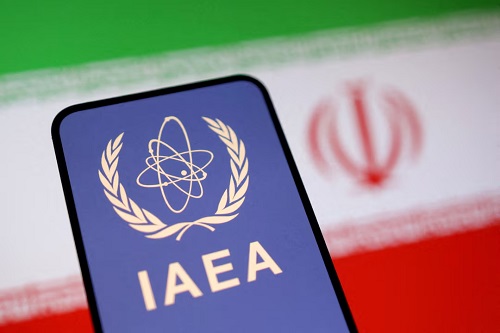
The Iran nuclear dispute has entered a potentially more dangerous phase, with the International Atomic Energy Agency (IAEA) taking the unprecedented step of referring Tehran to the UN Security Council for the first time in two decades. The move follows years of unresolved questions over uranium traces discovered at undeclared locations and growing concerns over Iran’s cooperation with international inspectors. With Tehran holding a large stockpile of highly enriched uranium, the latest decision could further intensify an already fragile confrontation between Iran and the West.
The decision marks a significant escalation in the international community’s efforts to establish greater transparency around Iran’s nuclear programme. The IAEA’s 35-member Board of Governors adopted the resolution with 23 countries voting in favour, five opposing it and eight abstaining.
The resolution was backed by the United States, Britain, France and Germany, reflecting continued Western concerns that Iran has not provided satisfactory explanations regarding nuclear material detected at sites that were not declared to the agency.
Russia, China and Niger opposed the resolution. The opposition from Moscow and Beijing is particularly significant because both countries hold permanent seats on the UN Security Council.
The referral does not automatically mean that new sanctions will follow. Instead, it places the Iranian nuclear issue before the Security Council, where members can consider further measures. Any attempt to impose punitive action, however, could face a major obstacle because Russia and China possess veto powers.
At the centre of the dispute is Iran’s growing stockpile of enriched uranium. The IAEA estimates that Tehran possesses approximately 441 kilograms of uranium enriched to 60 per cent purity.
Although 60 per cent enrichment is below the level generally associated with weapons-grade uranium, it is considerably higher than the enrichment levels permitted for ordinary civilian nuclear power generation. The stockpile has therefore become a major source of concern for Western governments and non-proliferation experts.
The quantity is also important. Iran’s accumulation of a substantial volume of highly enriched material means that questions surrounding its location, condition and intended use carry significant strategic implications.
The IAEA has said it has been unable to independently verify the current status of the stockpile. Its ability to conduct inspections has also been severely affected following Israeli and US strikes on Iranian nuclear facilities in June last year.
The lack of access to several nuclear sites has deepened the information gap between Tehran and the international nuclear watchdog. For the IAEA, the issue is not simply how much nuclear material Iran possesses, but whether the agency can establish a reliable picture of where that material is located and how it is being handled.
That uncertainty has fuelled fears in Western capitals that Iran could gradually move further away from international safeguards without effective monitoring.
Tehran, meanwhile, has consistently rejected accusations that its nuclear programme is aimed at producing nuclear weapons and maintains that its activities have peaceful purposes. Iran has also criticised Western pressure and defended its right to develop civilian nuclear capabilities under international law.
The referral nevertheless changes the political equation. For the first time in 20 years, Iran’s nuclear file has been pushed directly into the Security Council, creating the possibility of renewed diplomatic confrontation over sanctions and other punitive measures.
The immediate prospect of severe new sanctions remains uncertain. Russia and China have repeatedly supported Iran’s diplomatic position and could block binding Security Council action. Yet the referral itself carries considerable political weight and increases pressure on Tehran to cooperate with the IAEA.
The development also comes at a time when trust between Iran and Western powers is already extremely weak. Military strikes, restrictions on inspections and unresolved questions over enriched uranium have created a situation in which even limited misunderstandings could have wider consequences.
The coming months are therefore likely to be critical. The central question will be whether the referral encourages Iran to restore meaningful cooperation with international inspectors or instead pushes the nuclear dispute towards another cycle of confrontation.
For the IAEA, the immediate priority remains straightforward: restoring access, accounting for Iran’s nuclear material and obtaining credible answers about previously undeclared nuclear activities. For the wider international community, the challenge is to achieve those objectives without allowing the dispute to spiral into a broader security crisis.



















Leave Your Comment