


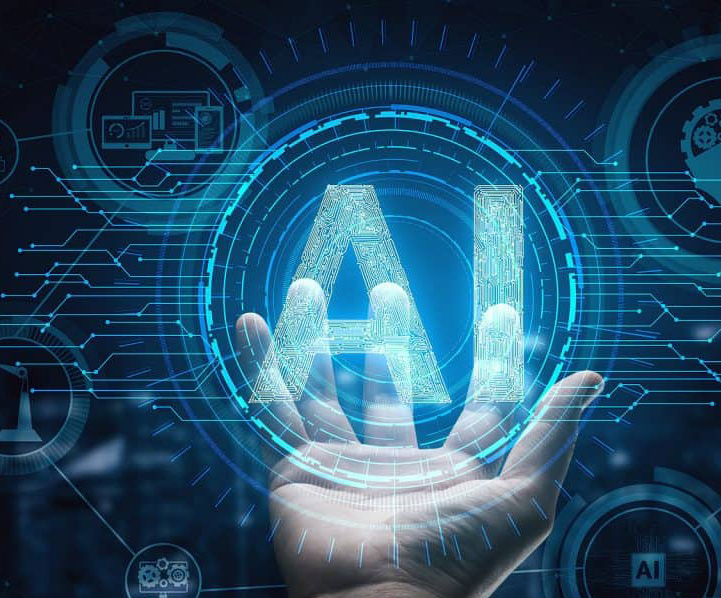
The world has entered what many are calling the AI century — an era where algorithms govern credit scores, chatbots diagnose illnesses, and machine learning models shape the news we read and the jobs we hold. For a country like India, standing at the intersection of vast human potential and deep structural inequality, the arrival of artificial intelligence is neither a straightforward gift nor a simple curse. It is a test. Whether AI becomes a bane or a boon for India will ultimately depend on how faithfully the original promise of the technology — to augment human capability, not replace human dignity — is followed. The optimistic case for AI in India is genuinely compelling. A nation grappling with an overburdened healthcare system can use AI-powered diagnostics to bring specialist-level care to remote villages. A country where millions of farmers still depend on erratic monsoons can deploy predictive models to guide sowing cycles and reduce crop loss. In governance, AI can streamline service delivery, detect corruption patterns, and reduce the bureaucratic friction that costs ordinary citizens time and money. With the world's largest youth population and a thriving technology sector, India is well positioned to not merely consume AI but to build it, export it, and shape its global norms. Yet the same tools carry the seeds of disruption. India's workforce, still heavily dependent on labour-intensive sectors, faces the very real prospect of automation displacing millions of workers in manufacturing, logistics, and back-office services before adequate re-skilling infrastructure exists to absorb them. If AI-driven productivity gains accumulate primarily at the top of the economic pyramid, the technology risks deepening inequality rather than democratising opportunity. The danger is not hypothetical — it is already visible in economies that embraced digital transformation without redistributive policy to accompany it.
What is more, there are also quieter, subtler risks. Algorithmic systems trained on biased data can embed and amplify existing discrimination against marginalised communities. Surveillance technology, if deployed without legal safeguards, can erode privacy and silence dissent. Deepfakes and generative AI tools can be weaponised to pollute the information ecosystem during elections, threatening the integrity of democratic processes in the world's largest democracy. These are not imagined dangers; they are documented realities in countries that moved faster than their institutions could govern. This is precisely why India's challenge in the AI century is not only to innovate but to ensure that innovation remains anchored in human dignity, democratic accountability, and inclusive growth. Policies must evolve at the pace of technology. A robust data protection framework, transparent algorithmic accountability standards, and serious investment in digital literacy are not optional additions to an AI strategy, they are its foundation. India's AI mission must be accompanied by equally ambitious social infrastructure: retraining programmes, universal broadband access, and public AI tools designed explicitly to serve those at the margins. At its philosophical core, AI was never meant to replace the human — it was meant to expand what humans can achieve. India, with its constitutional bedrock of justice, equality, and fraternity, already holds the values necessary to keep it that way. The question is whether its policymakers, technologists, and civil society will have the collective will to enforce it. The century is young. The choices made now will echo for generations.
Deepak Kumar Rath















Leave Your Comment