


The Government of India has launched the ambitious PAN 2.0 project as part of its broader e-governance initiatives. Designed to enhance efficiency, security, and service quality for taxpayers, the project has raised important questions among citizens about the impact on their existing PAN cards, associated costs, and the features of the upgraded version. The Centre has now addressed these concerns, ensuring a smooth transition for all stakeholders.
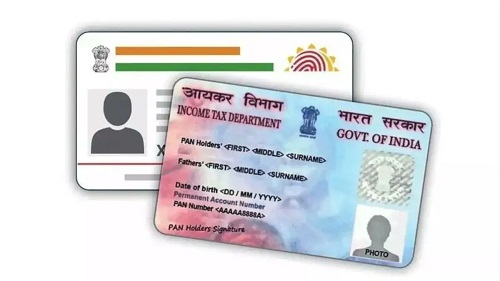
One of the standout features of PAN 2.0 is the inclusion of a dynamic QR code. While QR codes were introduced to PAN cards in 2017-18, the new version elevates this feature by displaying real-time updates from the PAN database. This advancement aims to strengthen data integrity and authenticity, making the updated cards particularly useful for verifying PAN details.
Existing PAN cardholders have the option to upgrade to the new PAN card with dynamic QR codes, either under the current PAN 1.0 system or through the PAN 2.0 framework.
The PAN 2.0 initiative is part of the government’s efforts to streamline and modernize its systems. Key objectives include:
The Income Tax Department (ITD), leveraging advanced technology, is working to integrate PAN (Permanent Account Number) and TAN (Tax Deduction and Collection Account Number) systems for a seamless user experience.
The government has clarified that existing PAN cards will remain valid indefinitely, and there is no compulsion for current holders to switch to the upgraded version.
This approach ensures that no financial burden is placed on taxpayers while enabling access to enhanced features.
Minister of State for Finance, Pankaj Chaudhary, informed Parliament that the project underwent a thorough cost-benefit analysis before its launch. Sponsored by the Public Investment Board (PIB) and the Ministry of Finance, the PAN 2.0 project is designed to improve taxpayer services without incurring unnecessary public expenditure.
The development of PAN 2.0 involved consultations with key regulatory bodies, including:
The plan also received input from the Standing Technical Committee and the Empowered Technology Group, ensuring a robust and inclusive framework.
The government has assured taxpayers that the PAN 2.0 project is aimed solely at improving services, with no disruptions for existing PAN holders. The amendments focus on providing enhanced features for new applicants while maintaining the validity of current PAN cards indefinitely.
With PAN 2.0, India is taking a significant step forward in modernizing its taxpayer services. By introducing innovative features like the dynamic QR code and ensuring no financial burden on existing cardholders, the government is demonstrating its commitment to convenience, security, and efficiency. This initiative is poised to strengthen trust and transparency in India’s tax administration system.






















Leave Your Comment